



The **Government of Mexico** announced the definitive prohibition of the use, production, commercialization, and import of **35 highly toxic pesticides**, in a joint action by the Secretariats of **Agriculture, Economy, Environment, and Health**.
The measure, published in the **Official Gazette of the Federation**, represents a **historic milestone in the protection of public health and biodiversity**, and aims to **align the country with the most demanding international standards**.
## Environmental and Health Commitment: a Debt Settled
President Claudia Sheinbaum highlights the **positive impact on the health** of Mexicans and the natural environment.
“Many of these pesticides are already banned in dozens of countries. Mexico needed to move in this direction,” Sheinbaum stated.
The decision responds to a **historical demand from environmental and scientific organizations** that warned about the **toxic effects of these substances** on humans, animals, and ecosystems.
## Prohibited Substances: Impact and International Background
The banned compounds are included in **global agreements such as Basel, Stockholm, and Rotterdam**.
The **Secretary of Agriculture, Julio Berdegué Sacristán**, detailed that among the banned pesticides are:
– **Aldicarb**: highly toxic insecticide on contact
– **Carbofuran**: banned in Canada and Europe
– **Endosulfan**: linked to neurological damage in babies, banned in more than 50 countries
– **DDT**: globally banned for its persistent effects
These substances have been associated with **acute intoxications, cancer, hormonal alterations, and irreversible environmental degradation**.
## Modern and Responsible Agriculture: towards the “Second Level” of the Fourth Transformation
**The decree is part of a phased strategy that will continue in 2026 and 2027**.
The government announced that this is the **first phase of a comprehensive plan**, which includes:
– New lists of prohibited substances in 2026 and 2027
– Progressive transition for agricultural producers
– Promotion of sustainable alternatives and agroecological practices
This approach aims to **reduce dependence on hazardous chemicals** and promote a **regenerative, safe, and competitive agriculture**.
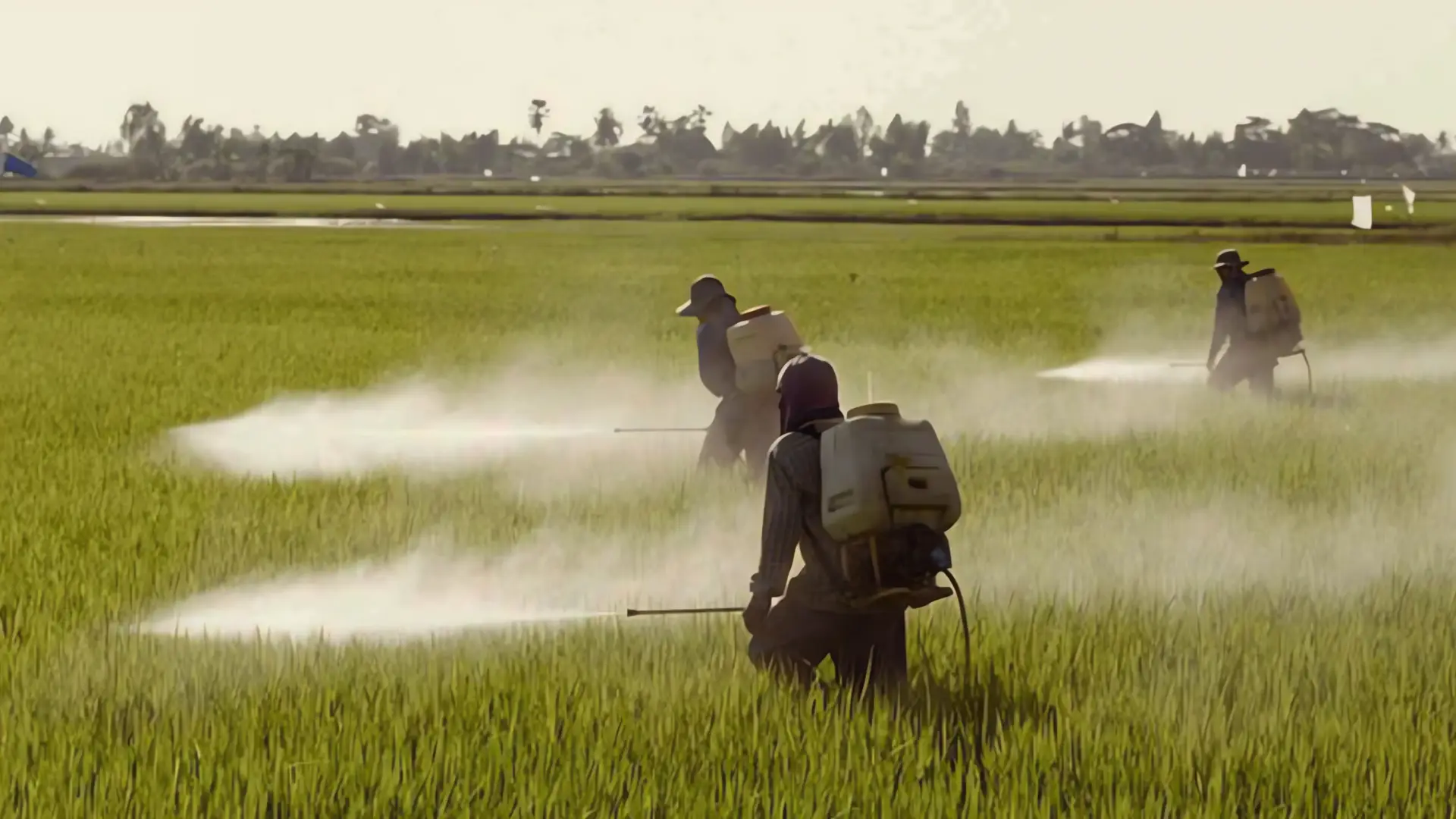
## Sustainability in Agriculture: Key to Health, Food Security, and Biodiversity
The agricultural sector represents an opportunity to lead the **ecological transition in Latin America**.
**Sustainable agriculture** implies:
– Rational use of inputs and fertilizers
– Protection of pollinators and wildlife
– Reduction of pollution in soils and waters
– Safe working conditions for laborers
The ban on these pesticides strengthens **food security**, protects **rural communities**, and contributes to the **resilience of ecosystems** against climate change.
## Call to Action: Building a Fairer and Sustainable Mexican Countryside
The government calls on producers, companies, and civil society to join this transformation.
“This is a collective effort for a more prosperous, safe, and responsible countryside,” emphasized Berdegué.
Mexico thus reaffirms its **regional leadership in the adoption of responsible agricultural practices** and lays the groundwork for a **new agroecological era**, where human health and environmental integrity are shared priorities.


