



The evolution of sustainable mobility continues adding innovations that transcend emission reduction. In this context, the Chinese automotive company BYD has presented a patent that incorporates artificial intelligence to detect the presence of people, animals, or other living beings under the vehicle before starting to move.
The technology is part of the evolution of the God Eye driving assistance system and aims to reduce the risk of accidents caused by blind spots that remain hidden while the car is parked.
In addition to improving safety, the initiative reflects how artificial intelligence is beginning to play an increasingly relevant role in the development of vehicles with a preventive and environmental approach.

A system that compares images to identify potential risks
The operation of the device is based on capturing a reference image of the space located under the chassis when the car is stationary and turned off. Subsequently, before starting or during a safety check, the system obtains new images to compare them with the initial photograph.
In this way, artificial intelligence identifies any modification in the environment and focuses the analysis only on those areas where it detects differences, avoiding processing the entire lower area of the vehicle permanently.
As a result, the system optimizes the consumption of computing resources and can determine if the detected element corresponds to a person, an animal, or any other object that requires issuing a preventive alert to the driver.
A solution designed for complex scenarios
Detecting objects under a vehicle represents one of the most significant challenges for artificial vision systems. Shadows, accumulated dirt, lighting changes, and pavement irregularities often hinder the accuracy of this type of technology.
In this scenario, the patent proposes using a customized reference for each car, which makes it easier to distinguish between usual environmental elements and the appearance of new obstacles that could pose a risk.
Although the technology has not yet been confirmed for future commercial models, it shows the intention to expand the applications of artificial intelligence beyond traditional assisted driving, strengthening active safety systems.
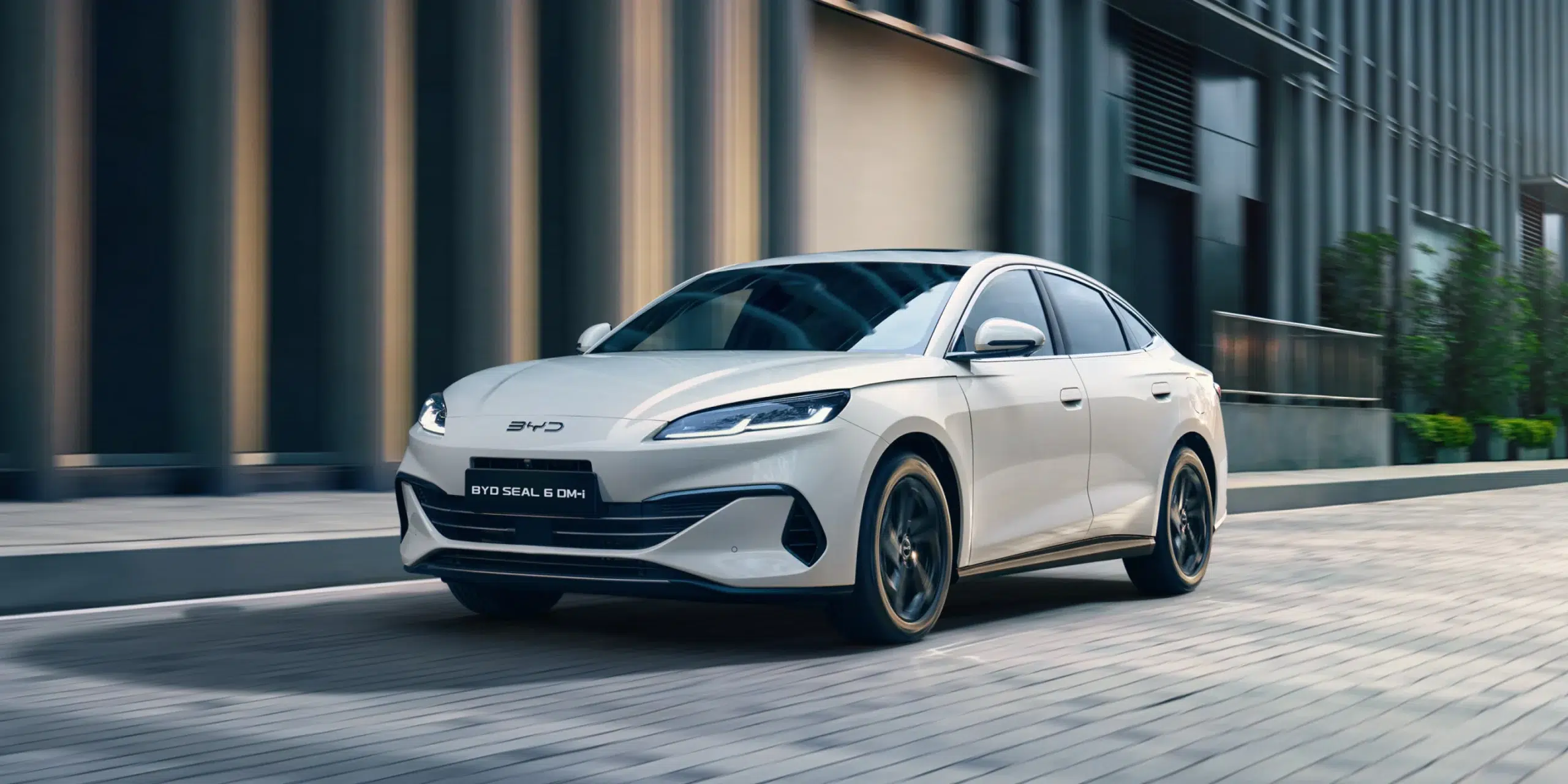
How the combination of electric cars and artificial intelligence benefits the environment
The incorporation of artificial intelligence in electric vehicles offers benefits that go beyond road safety. These systems allow optimizing the operation of the car, managing the available energy more efficiently, and reducing unnecessary consumption during circulation.
Likewise, intelligent algorithms can improve route planning, reduce travel times, and promote more efficient driving, which helps reduce battery wear and components, prolonging the vehicle’s lifespan.
In turn, when these technologies are integrated with urban mobility systems, they facilitate more orderly circulation, reduce traffic congestion, and help decrease pollutant emissions from transportation.
This combination makes artificial intelligence and electrification complementary tools to advance towards cleaner, safer, and more resilient cities in the face of the challenges of climate change.



