



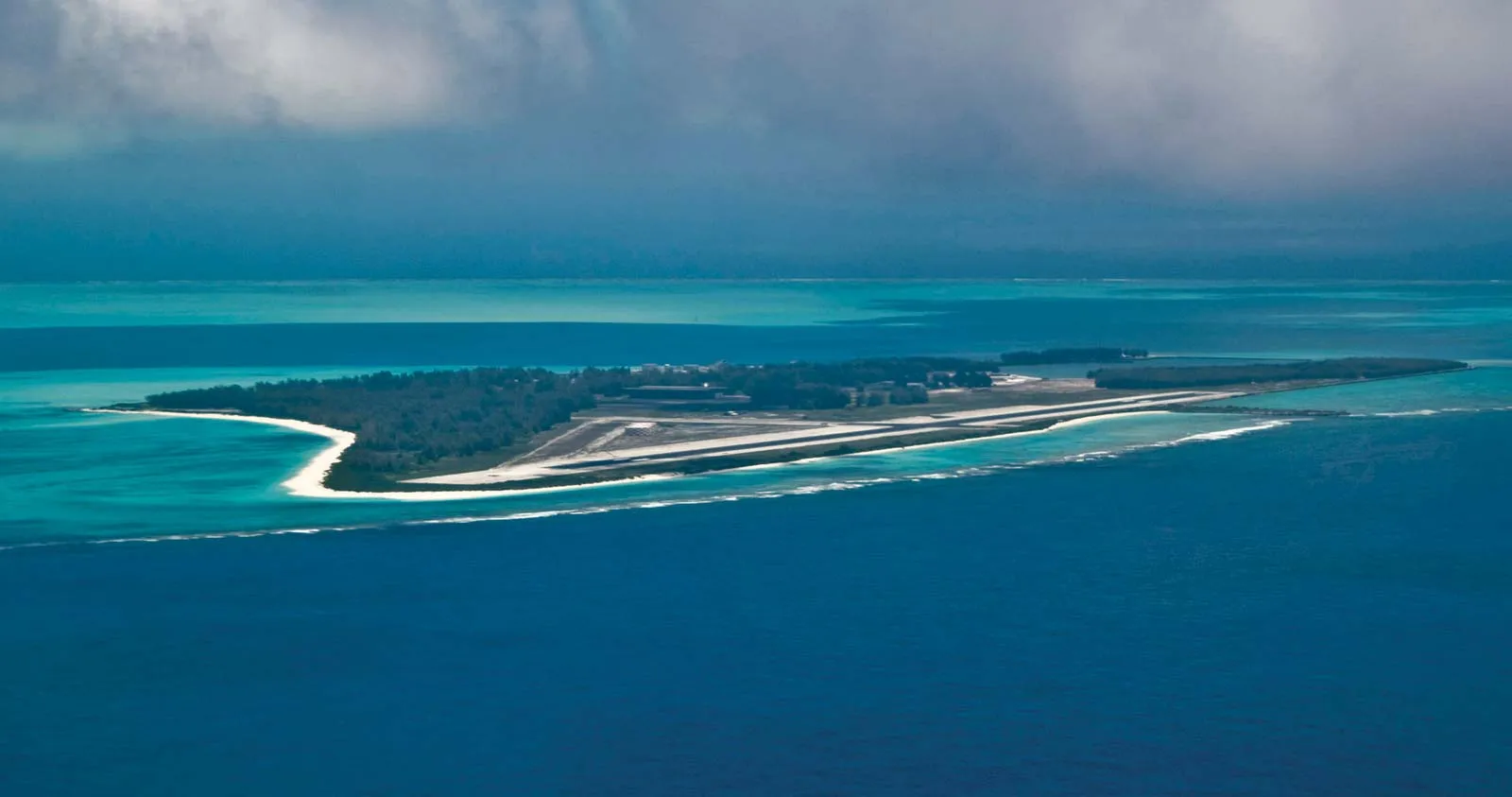
The Midway Atoll in the North Pacific is one of the main refuges for seabirds on the planet. Millions of birds nest there, including various species of slow-breeding and highly vulnerable albatrosses.
However, the accidental introduction of rats disrupted that balance. The rodents began preying on eggs and later attacking live chicks, creating a major ecological crisis.
Due to the biology of these birds, which usually lay only one egg per season and take years to reach maturity, each loss directly impacts population stability.
How did the invader arrive and why was it so destructive?
Rats are not native to the atoll. Their arrival is linked to past human activities, such as military operations and supply transport, a common pattern in island ecosystems.
Once established, they found enough food and shelter to multiply unchecked. On isolated islands, where there are no natural predators of these mammals, the expansion can be rapid and silent.
Moreover, many birds on Midway nest on the ground or in low vegetation. Having not evolved alongside mammalian predators, they lack defensive strategies against nocturnal attacks.
The critical point: attacks on chicks and risk of collapse
The situation worsened when direct attacks on live chicks were confirmed. For species that remain in the nest for long periods, injuries and stress drastically reduce survival probabilities.
In ecological terms, fewer juveniles reaching adulthood means aging colonies. Over time, this phenomenon can lead to irreversible decline.
Additionally, the pressure from rats adds to other global threats such as more intense storms, plastic pollution, and changes in marine food availability.
Total eradication: an extreme but strategic decision
Faced with the risk of collapse, a complete eradication operation was implemented. The strategy included the aerial distribution of rodenticide baits to cover the entire territory.
In island ecosystems, leaving remaining individuals allows the invasive population to recover quickly. Therefore, the intervention had to be comprehensive and technically planned.
Although these actions generate debate, specialists argue that an intense intervention limited in time can prevent ongoing damage affecting millions of birds.

The consequences of introducing one species to control another
The experience of Midway illustrates a fundamental ecological principle: introducing one species to control another can trigger unpredictable effects. In many cases, the supposed controller becomes a new threat.
Island ecosystems are particularly sensitive. Lacking evolutionary defenses against new predators, native species suffer disproportionate impacts.
Therefore, prevention and biosecurity are key. Strict controls on ships, cargo, and supplies can prevent reinvasions and reduce the need for drastic interventions in the future.
Ultimately, the case of the Midway Atoll demonstrates that restoring ecological balance requires complex decisions, but also reaffirms that protecting biodiversity is a global responsibility.



