



Behind the Unzué Park lagoon, the Municipal Native Tree Nursery in Entre Ríos works day by day to recover and strengthen the local ecosystems. So far this year, more than 900 native species have been planted on sidewalks, parks, and squares in Gualeguaychú.
The goal for this 2025 is ambitious but achievable: to reach 2,000 planted and delivered trees. This task not only beautifies the city but also improves air quality and promotes biodiversity.
The nursery operates as a production center with more than 70 native species. There, specimens are cultivated and raised for later planting in public spaces, such as the former Frigorífico and municipal offices.
In addition to plantings, the nursery provides seedlings to other localities in the department and to cities like Ibicuy, expanding the positive impact beyond the urban area.
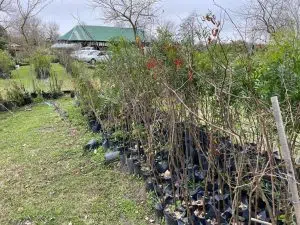 Native trees delivered in Entre Ríos. Photo: El Día Online.
Caring by planting: the ecological impact of native trees
Reforestation with native trees not only aims to enhance the urban landscape. It is a key tool to preserve the original ecosystems of the region and recover the flora and fauna that depend on them.
Unzué Park, the city’s main green lung, has become a sanctuary where this native flora allows the presence of species such as ducks, otters, southern screamers, and jacanas. Birds like goldfinches and red-crested cardinals also find refuge and food there.
But the richness doesn’t end there. By attracting pollinating insects such as bees, butterflies, and monarchs, native trees ensure the reproduction of plants, favoring ecological balance throughout the area.
The production of these species is supported by a local seed bank, greenhouses, and breeding areas that allow their reproduction in controlled conditions. Many times, it is the nursery workers themselves who collect the seeds during tours of the forest or rural areas.
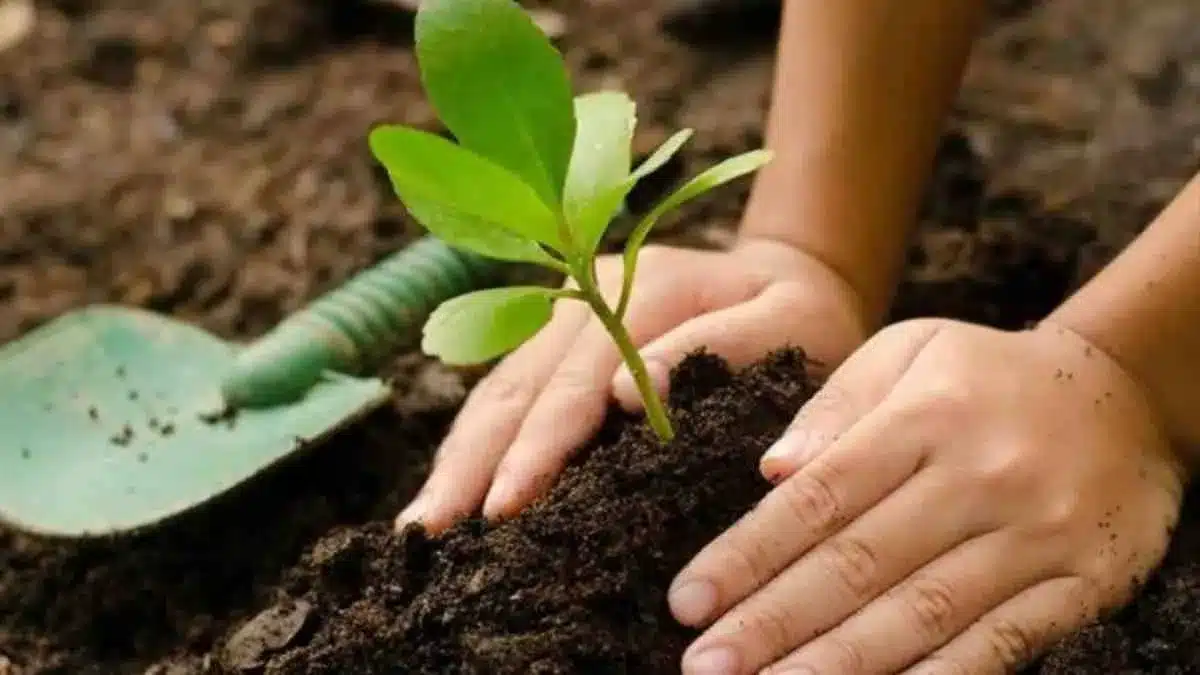 Reforestation with native trees.
Benefits of planting native trees
Choosing native trees in urban spaces brings significant advantages. These species are naturally adapted to the climate and soil, which reduces water consumption and the need for maintenance.
Their presence improves air quality, regulates temperature, and retains soil, contributing to preventing erosion and mitigating the effects of climate change. Additionally, they create safe habitats for local birds and insects.
They also strengthen the sense of ecological identity in communities. By promoting their planting, not only does it beautify the environment, but it also reinforces a cultural bond with the native landscape, crucial for a more conscious citizenship.


