



At the Third United Nations Conference on the Oceans (UNOC3), taking place from June 9 to 13, 2025 in Nice, the UN issued a warning about plastic pollution.
Microplastics, tiny particles, are reaching food, water, and air. It is estimated that each inhabitant of the planet consumes over 50,000 plastic particles per year. The number would be even higher if inhalation is taken into account.
In a context marked by global warming, pollution, and overfishing, this summit seeks to promote concrete measures to protect the planet.
Pressure on oceans: plastic pollution, warming, and overfishing
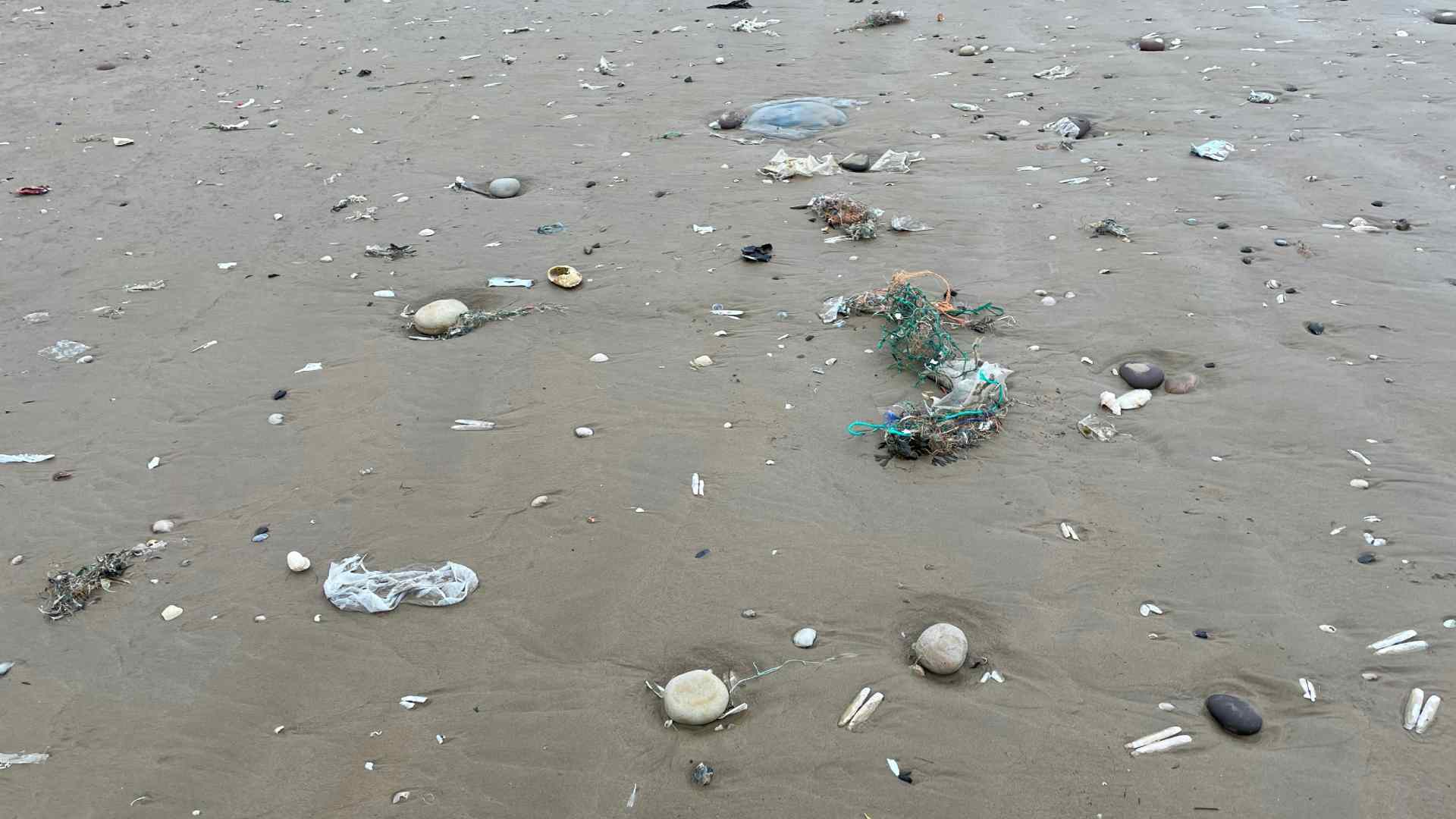 Plastics in the ocean.
Experts warn that ocean ecosystems are facing a triple threat: pollution (especially plastics), rising sea temperatures, and overfishing.
With oceans covering more than 70% of the planet and being a vital source of oxygen, food, and climate regulation, immediate actions are urgently needed to ensure their conservation.
Furthermore, within the Environmental framework, on June 5, the UN Secretary-General, Antonio Guterres, emphasized that “plastic pollution is suffocating our planet, damaging ecosystems, well-being, and climate”.
He added: “plastic waste clogs rivers, contaminates oceans, and endangers wildlife.”
Moreover, the need to reach an agreement on plastics was highlighted. “This year we need an ambitious, credible, and fair agreement that addresses the plastic life cycle, through the perspective of circular economies,” said Guterres.
“That responds to the needs of communities and aligns with broader environmental goals, and is rapidly and fully implemented,” he added.
Guterres urged negotiators to “return to the discussions in August determined to find a common way to overcome their differences and achieve the treaty that our world needs”.
Why 2025 is a decisive year for the oceans
 Each person consumes over 50,000 microplastic particles.
The pressure on legally unprotected marine areas is increasing, and the Nice summit aims to catalyze both voluntary and legally binding agreements.
These seek to establish new protected areas in the high seas and strengthen conservation policies under the lens of climate resilience.
Protecting the ocean not only benefits biodiversity, it is also key to mitigating climate change.
According to UNESCO, actions such as marine conservation, clean fuels, and sustainable maritime transport could reduce up to 4 gigatonnes of CO₂ annually by 2050, comparable to U.S. emissions.


