



The Nobel Prize, one of the most prestigious awards in history, could add a new category for the first time in more than half a century.
Various voices from the scientific, environmental, and social fields have urged the Nobel Committee and the Royal Swedish Academy of Sciences to create a Nobel Prize for Climate and Planetary Health, aimed at recognizing significant advances in innovation, mitigation, regulation, and activism against climate change.
Ecosia drives the proposal
The initiative has been led by Ecosia, the tree-planting search engine, which has deposited €1,000,000 with a notary in Berlin to contribute to the prize’s endowment. The company states it is willing to fund a long-term foundation or share resources with other organizations committed to climate justice, with the aim of ensuring that climate solutions have a permanent place in the Nobel family.
In a statement, Ecosia clarified that it does not seek to influence nominations or the selection of laureates. The prize would follow the same principles that govern the Prize in Economic Sciences, introduced in 1968 in memory of Alfred Nobel.
“How we adapt to the climate crisis will define humanity,” said Christian Kroll, CEO of Ecosia. “We believe that, thanks to the prestige of the Nobel Committee, this new prize will give visibility and inspire people who work tirelessly to ensure our survival for generations.”
A historical context
Since its creation in 1901, the Nobel Prizes have recognized advances in Physics, Chemistry, Medicine, Literature, Peace, and Economics. The last category added was Economic Sciences in 1968.
The proposal for a Climate Nobel seeks to fill an evident gap: despite climate change being considered the greatest crisis of our time, there is no specific award that recognizes global efforts to confront it.
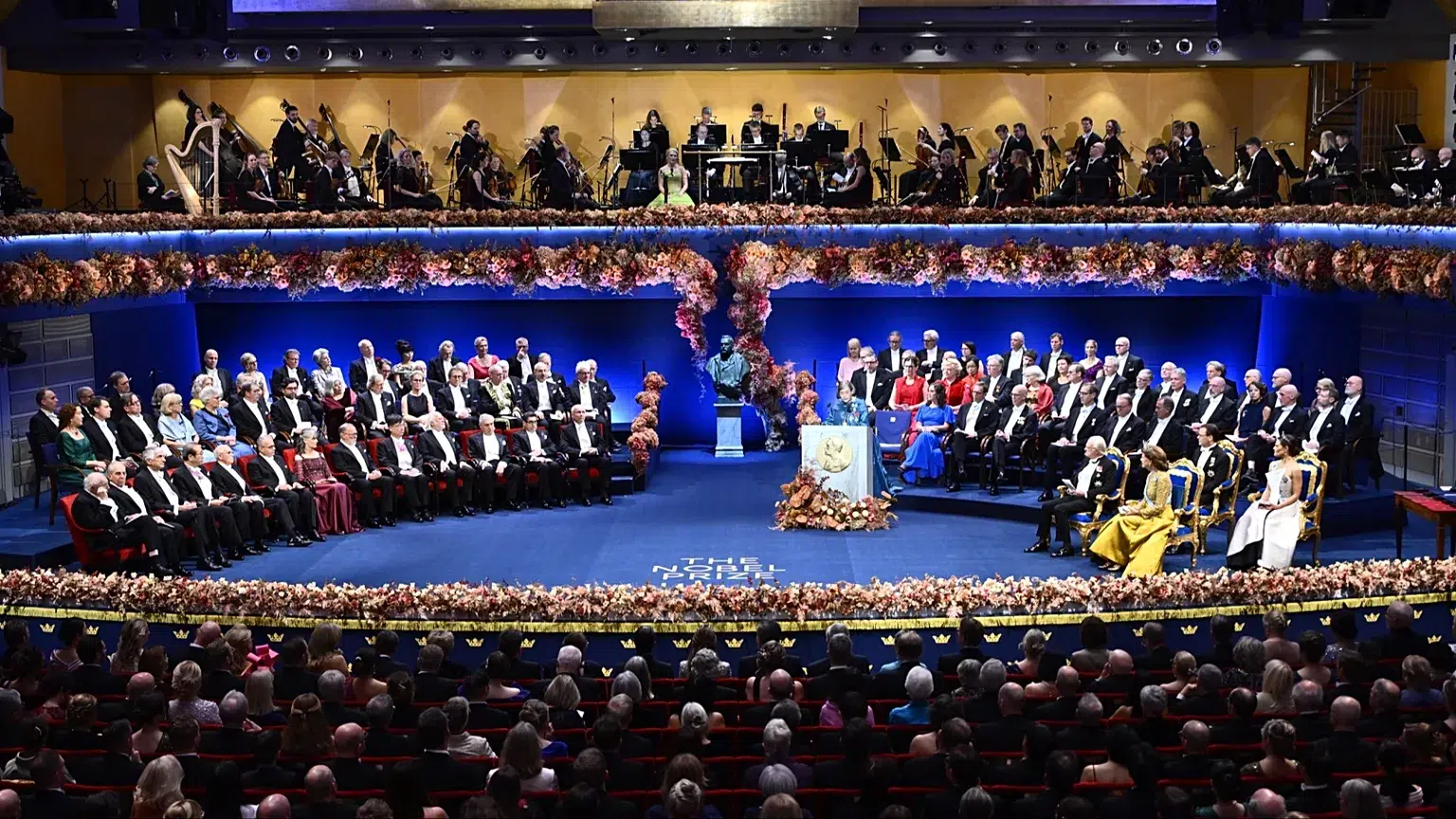
Voices supporting the initiative
The campaign has received support from prominent figures:
- Luisa Neubauer, German climate activist: “A prize for climate and planetary health would encourage people worldwide to build solutions, improve policies, and mobilize communities.”
- Andreas Huber, from the German Association of the Club of Rome: “The original idea of the Nobel, to honor the greatest benefit to humanity, today applies especially to those who protect the foundations of our existence.”
- Álvaro Tukano, Brazilian indigenous leader: “The world’s most prestigious awards must finally recognize the most dramatic problem facing the planet.”
Recognizing climate action as a benefit to humanity
The Climate Nobel would aim to give global visibility to those driving innovative solutions to the environmental crisis. It would recognize both scientists and collectives as well as companies and activists who have made significant advances in protecting the planet.
The proposal also seeks to mobilize communities, improve public policies, and accelerate the transition to a sustainable model. In Neubauer’s words, “it is time for the Nobel tradition to finally recognize the greatest crisis of our time.”
The pressure on the Nobel Committee reflects a growing demand: the need for a global showcase that rewards climate action and planetary health. If realized, the Climate Nobel would become a symbol of recognition and motivation for those working on the mitigation of the environmental crisis and building a more just and sustainable future.



