



The Federal Chamber of Paraná issued a key ruling in environmental matters by overturning a previous resolution and ordering the Federal Court of Victoria to continue processing the case against businessman Rufino Pablo Baggio and others accused of the fires that devastated thousands of hectares in the wetlands of the Delta del Paraná.
The court considered that the investigation should remain in the federal court of first instance, as it involves environmental damage committed by individuals, not a jurisdictional conflict between provinces. With this measure, the attempt to transfer the case to the Supreme Court was halted, ensuring the continuity of the judicial process in a territory close to the events.
The case was initiated by the Cuenca Río Paraná Civil Association in 2020, in the context of the fires that severely affected the Delta ecosystems, destroying biodiversity, altering the soil, and impacting the air and water quality. After five years of delays, the Federal Chamber of Paraná ordered the judge in Victoria to expedite the proceedings, given their direct knowledge of the territory and the damages caused.
The ruling also emphasized the importance of providing an effective judicial response to the magnitude of the environmental harm, recalling that the right to a healthy environment implies the State’s obligation to guarantee agile and transparent processes for its reparation.
The environmental and legal impact of the fires in the Delta
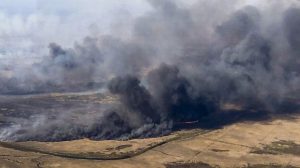
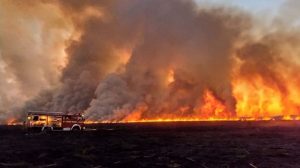
The fires in the Delta del Paraná left a deep mark on one of the most important wetlands in the country. These ecosystems, vital for climate regulation, water retention, and species conservation, were severely affected by the indiscriminate burning of grasslands.
The fires not only destroyed the local flora and fauna but also altered the ecological balance of the water system, affecting riverside communities and causing massive emissions of polluting gases. The loss of vegetation cover reduced the soil’s absorption capacity, favoring erosion and compromising the natural regeneration of the wetland.
In this context, the judicial process is relevant not only for holding those responsible but also for establishing precedents that strengthen environmental justice in Argentina. The case seeks the restoration of the damaged environments and financial compensation aimed at restoring the affected ecosystems.
Possible penalties and legal consequences
If responsibilities are confirmed, the accused could face significant criminal and civil penalties. The Law 24,051 on Hazardous Waste and Article 200 of the Penal Code provide for penalties of up to ten years in prison for those who cause pollution endangering public health or causing serious environmental damage.
Economically, the responsible parties could be required to finance ecological restoration plans, pay compensatory damages, and cover the costs of environmental monitoring. These measures aim to repair the damage and deter future actions that compromise the wetlands’ balance.
Furthermore, the Chamber recalled that the National Constitution and the General Environmental Law establish the principle of “polluter pays,” reinforcing the obligation of individuals to be accountable for the harm they cause. This provision aims to prevent environmental impunity and promote responsible management of natural resources.
Environmental justice as a tool for nature protection
The decision of the Federal Chamber of Paraná represents progress in the defense of Argentina’s natural heritage. The Delta del Paraná, recognized for its biodiversity and its role in mitigating climate change, requires urgent actions for its recovery.
By demanding that the process continue in the Victoria court, the judiciary sets a precedent that prioritizes proximity to the events and the effectiveness of environmental investigations. In a context of increasing ecological degradation, this ruling reaffirms the need to act firmly against crimes that threaten nature and the right of future generations to live in a healthy environment.


