



In the **rivers and lagoons in the heart of South America**, one of the most astonishing **plant species** on the planet develops: the **giant water lily**, a aquatic plant distinguished by its **enormous floating leaves** and its **colorful nocturnal flowers**.
Traditionally, it was believed that the most imposing ones were the **Victoria amazonica** and the **Victoria cruziana**, which inhabit the river systems of the **Amazon** and the **Paraná** respectively.
However, recent research revealed the existence of a **third species of water lily**, called **Victoria boliviana**, now considered the **largest in the world**, with **diameters reaching up to 3.2 meters**.
This discovery was made possible thanks to the collaborative work between botanists from **Bolivia** and the **United Kingdom**, and allowed the new species to be included in the **Guinness Record of aquatic plants**.
## Resilient, useful, and key aquatic plants for the ecosystem
The **Victoria boliviana** thrives in **calm waters with low oxygen content**, typical of **swamps and South American lacustrine bodies**, especially in Bolivia.
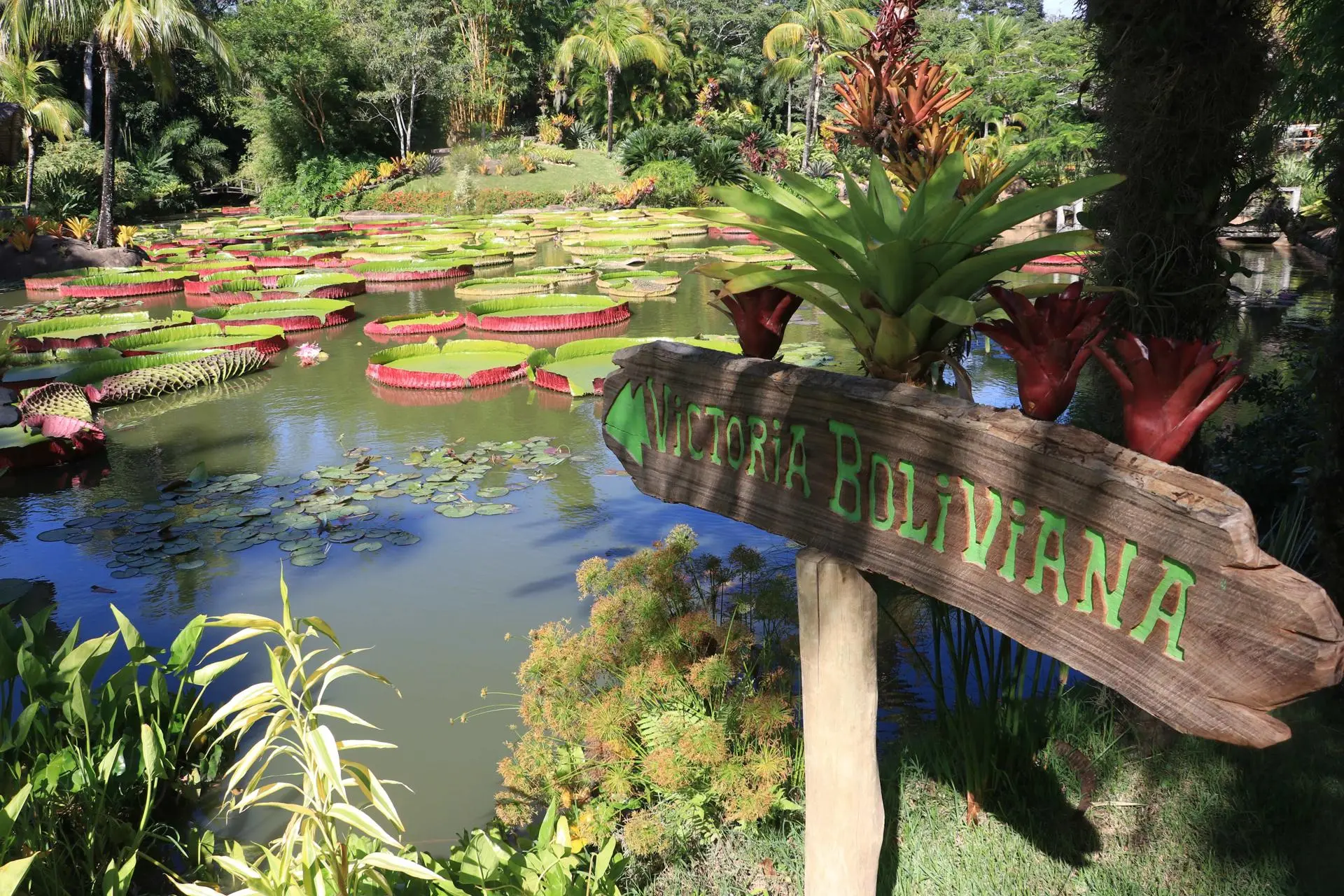
*Victoria Boliviana set a record in aquatic plants*
Its **round leaves** can **support the weight of a small person** due to its robust structure, while its **ephemeral flowers** open at night and close with the first rays of sun.
In addition to its striking appearance, the plant has **multiple uses**: its **seeds are edible**, it is attributed **medicinal properties**, and its roots produce **natural dyes used in local communities**.
Its presence is of **great ecological value**, as it provides **habitat and shelter for aquatic species**, and represents a **cultural and biological symbol** for the region.
The **Victoria boliviana** stands out not only for its size and resilience, but also embodies the **biological richness of South American wetlands**, highlighting the need to **preserve these unique ecosystems** that still hold **scientific surprises** to be discovered.


