



The beginning of January was marked by an intense and persistent cold in much of Spain. Thus, the red alert was activated in Parameras de Molina, in Guadalajara, due to exceptional lows, as well as orange and yellow warnings, which extended across wide regions of the interior.
During the early morning of the Day of the Kings, thermometers dropped abruptly. In mountain areas, values close to −17 °C were reached. Meanwhile, Molina de Aragón recorded some of the lowest temperatures in Spain.
This winter scenario was not an isolated event. On the contrary, it is part of a succession of increasingly frequent extreme episodes. Thus, the cold once again tested infrastructures and daily routines.
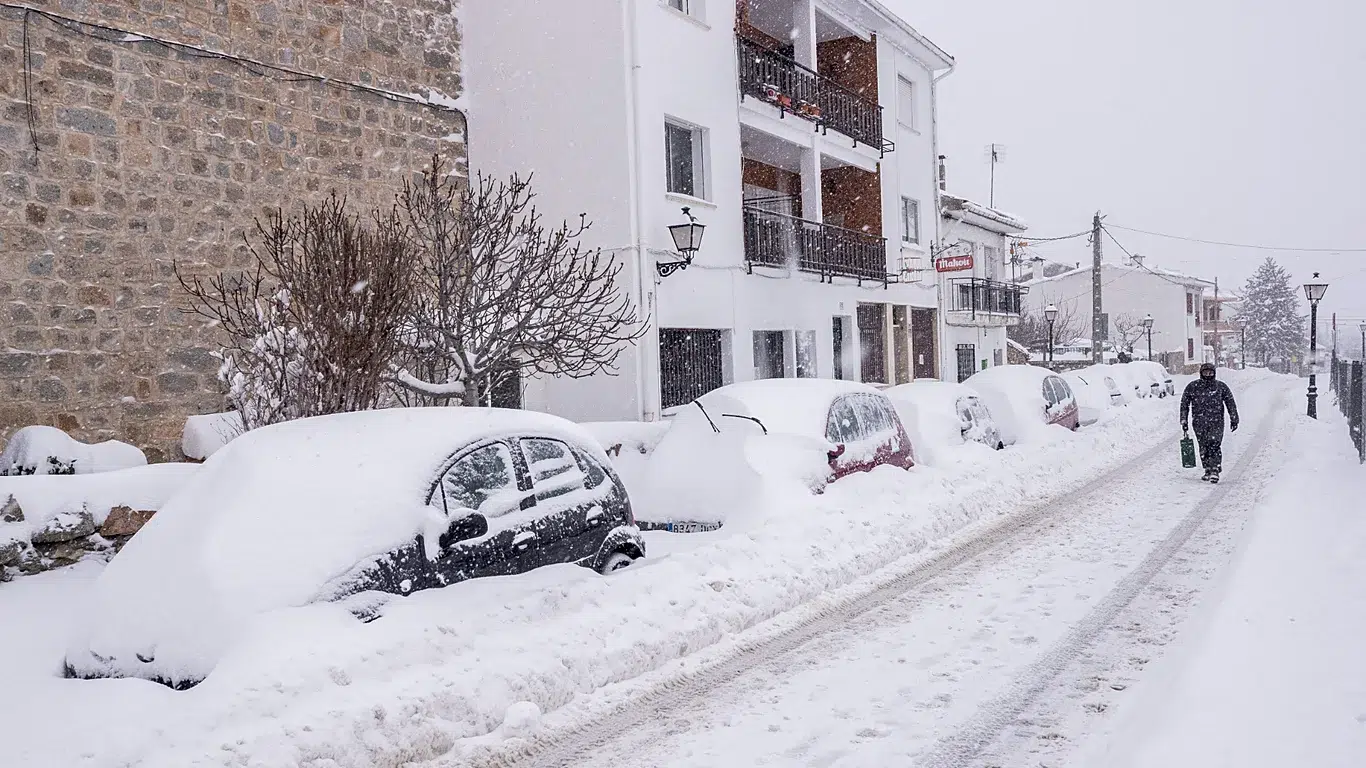
Territories below zero and conditioned mobility
With the advance of the cold, circulation became more complex on secondary and mountain routes. Therefore, authorities recommended extreme precautions and avoiding unnecessary travel. In addition, persistent frosts affected rural roads and access to small towns.
At the same time, the episode coincided with a festive day of high mobility. This increased the risk of accidents and required reinforcing preventive warnings. Thus, planning became key to reducing impacts.
Meanwhile, the cold also strained supply systems. Water and energy pipelines were exposed to freezing damage. Thus, local resilience was once again at the center of the debate.
The cold does not relent and prolongs the risk
Far from dissipating, the episode continued with new frigid early mornings. Forecasts indicated lows below −10 °C in wide areas of the Pyrenees. Likewise, the northeastern peninsular moors maintained extremely low values.
For this reason, the red alert was extended for several more hours. The extraordinary risk required maintaining preventive measures. Thus, meteorological vigilance became constant.
Such situations reinforce the importance of early information. Consulting official warnings allows anticipating key decisions. In this way, personal and material damages are reduced.
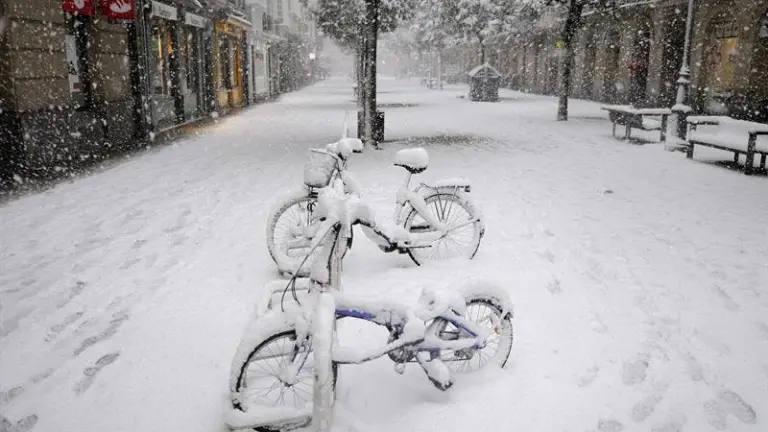
Consequences of extreme cold for health and the environment
The low temperatures directly affect human health. The risk of hypothermia increases, especially in the elderly and children. In addition, respiratory and cardiovascular diseases worsen.
At the same time, the extreme cold impacts the environment. Wildlife faces difficulties in feeding and moving. Therefore, mortality increases in species less adapted.
Ecosystems also suffer alterations. Prolonged frosts damage soils, crops, and native vegetation. Thus, the ecological balance is compromised even after the cold subsides.
Together, these episodes highlight the vulnerability to climatic extremes. Therefore, adapting and preventing becomes as urgent as mitigating. Winter, increasingly unpredictable, is no longer just a season, but a warning sign.



