



The intense rains that hit Santa Marta at the beginning of February 2026 exposed the magnitude of the waste crisis in the Colombian Caribbean. Tons of garbage carried by the Manzanares River ended up accumulated on the beaches, affecting one of the most visited tourist destinations in the country.
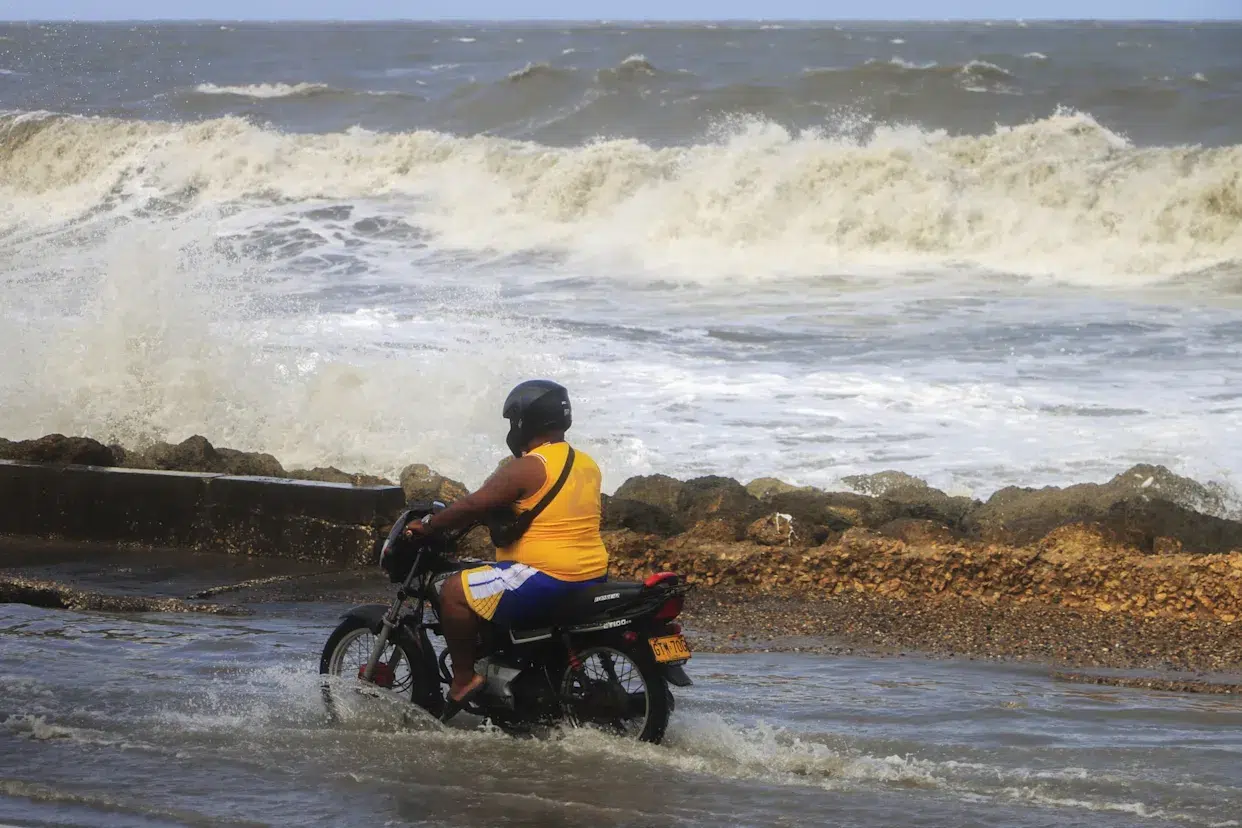
The phenomenon highlighted the poor waste management and lack of public awareness, exacerbated by the cold front and the storm surge, which returned the waste to the coast.
Maritime Emergency: The Stranded Ship
The tanker Intergoo VII was stranded on Los Cocos beach due to the strong waves. The Dimar (General Maritime Directorate) confirmed that the ungrounding operation concluded without affecting the crew or the marine environment, thanks to joint work with the private sector.
The incident, captured by drones, showed not only the maritime emergency but also the level of contamination of the Caribbean Sea.
Impact of the Rains
The rains reached historic levels: nearly 140 millimeters in 36 hours, a record in decades. Their effects were devastating:
- 40 neighborhoods flooded.
- Two main roads destroyed.
- Collapse of the Mendihuaca bridge, interrupting communication with Riohacha and Tayrona Park.
- Suspension of classes at the University of Magdalena.
The Mayor’s Office closed beaches, prohibited the departure of small boats, and recommended alternative routes to La Guajira to reduce risks.
Human Tragedies
In the neighborhood Vista Hermosa (Gaira), a landslide buried homes and caused the death of Zulma and her son Richard, while two other family members were rescued alive. In Vista al Mar, the collapse of houses intensified the tragedy, with neighbors removing debris to save those trapped.
Mayor Carlos Pinedo requested support from Barranquilla to address the emergency, acknowledging that local capacities were overwhelmed.
Citizen and Structural Criticisms
Businessman and musician Guillermo Vives, brother of Carlos Vives, denounced that the crisis cannot be attributed solely to the rains: “The real emergency has been brewing for years, a product of neglect, poor administration, and the permanent plundering of public funds”.
Vives pointed out the lack of water and sewage systems capable of mitigating damage and criticized the silence of the citizens: “That silence makes us involuntary accomplices of the misdeeds that have the city in collapse today”.
Regional Dimension
The emergency in Santa Marta reflects a structural problem of the Colombian Caribbean, where the lack of infrastructure and poor waste management combine with extreme weather phenomena. The environmental impact — beaches covered with garbage, marine pollution, and risk to biodiversity — adds to the human and material losses, showing the need for comprehensive urban and environmental resilience policies.
The crisis in Santa Marta is a reminder that natural disasters are exacerbated by the lack of planning and management. The garbage carried by the rains not only affects the city’s tourist image but reveals a deep problem of governance and civic culture. Without structural changes, tragedies will continue to repeat in a context of climate change and growing vulnerability.



