



The Brazilian Amazon once again raises environmental alarms after recording a sharp increase in forest fires during May 2026. The latest data shows that hotspots increased by 115% compared to April, reflecting a situation that worries scientists, authorities, and conservation organizations.
Monitoring conducted by the National Institute for Space Research (Inpe) recorded 867 hotspots during May. Likewise, the cumulative total for the first five months of the year shows a 44% increase compared to the same period in 2025.
Although the most intense fire season usually occurs between October and November, current indicators suggest a scenario of increasing vulnerability for the world’s largest tropical forest.
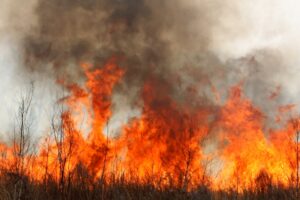
Deforestation and illegal activities continue to pressure the biome
A large portion of the recorded fires are linked to burns intended for agricultural expansion and pasture management. These practices continue to generate environmental impacts despite the strengthening of official controls.
Additionally, illegal mining and unauthorized logging continue to represent significant factors of environmental degradation in large areas of the Amazon rainforest.
However, the context presents a complex reality. In recent years, there have been significant advances in reducing deforestation under the administration of Luiz Inácio Lula da Silva, reaching the lowest levels since 2017.
Similarly, during 2025, fires decreased considerably compared to previous years, consolidating a positive trend that now faces new climate challenges.
El Niño could intensify the risk of fire in large regions
Climate projections indicate that the El Niño phenomenon could acquire significant intensity during the second half of 2026. This situation would favor temperatures above historical averages and greater dryness of vegetation.
Past events show that these phenomena often enhance the occurrence of forest fires. In 2015, for example, the incidence of fire increased considerably compared to previous years.
On the other hand, during 2024, the combination of a severe drought and conditions associated with El Niño generated more than 140,000 fires in the Amazon, becoming one of the highest records of the last decades.
The areas considered at greatest risk include the Pantanal, the Cerrado, and the eastern Amazon, regions especially sensitive during periods of rainfall scarcity.

How a large-scale environmental crisis could be prevented
Experts agree that prevention is essential to avoid massive fires in the coming months. One of the priority measures is to reinforce satellite surveillance and control operations in areas where illegal activities are recorded.
Furthermore, strengthening forest brigades, creating strategic firebreaks, and rapid detection of hotspots allow action before fires spread uncontrollably.
On the other hand, the restoration of degraded areas and the protection of intact forests help to preserve the ecosystem’s natural moisture, reducing susceptibility to fire.
Additionally, cooperation between governments, local communities, indigenous peoples, and scientific organizations is key to developing early warning systems and coordinated response plans.
Justice demands concrete actions in the face of the climate scenario
Concern about the anticipated scenario has also reached the judicial realm. The Supreme Court of Brazil requested Amazonian states to provide detailed information on the preparation measures they are implementing in the face of the growing risk of fires.
The decision reflects the need to advance towards preventive strategies capable of anticipating environmental emergencies and reducing their consequences on biodiversity.
Meanwhile, thousands of kilometers of rainforest continue to face a threat that could worsen in the coming months. The capacity for early response will be crucial to protecting one of the planet’s main climate regulators and preserving the essential ecosystem services that the Amazon provides for the entire region.


