



The European Union (EU) has proposed a regulatory amendment that would allow raising the maximum glyphosate limit in water to 398.6 micrograms per liter. This figure is 4,000 times higher than the current threshold in countries like Spain, currently set at 0.1 micrograms per liter.
The measure has generated a wave of criticism from environmental organizations, warning about its potential impacts on biodiversity and human health.
Glyphosate: the most used and most questioned herbicide
Glyphosate is a broad-spectrum herbicide developed in the 1970s, widely used in industrial agriculture to eliminate weeds. Its use has become widespread, especially in genetically modified resistant crops, such as genetically modified soy, corn, and cotton.
Since its appearance, it has been the subject of intense scientific and political debates. In 2015, the International Agency for Research on Cancer (IARC), part of the WHO, classified it as “probably carcinogenic to humans”.
Recent studies have also linked glyphosate to hormonal disruptions, reproductive damage, and effects on the gut microbiome.
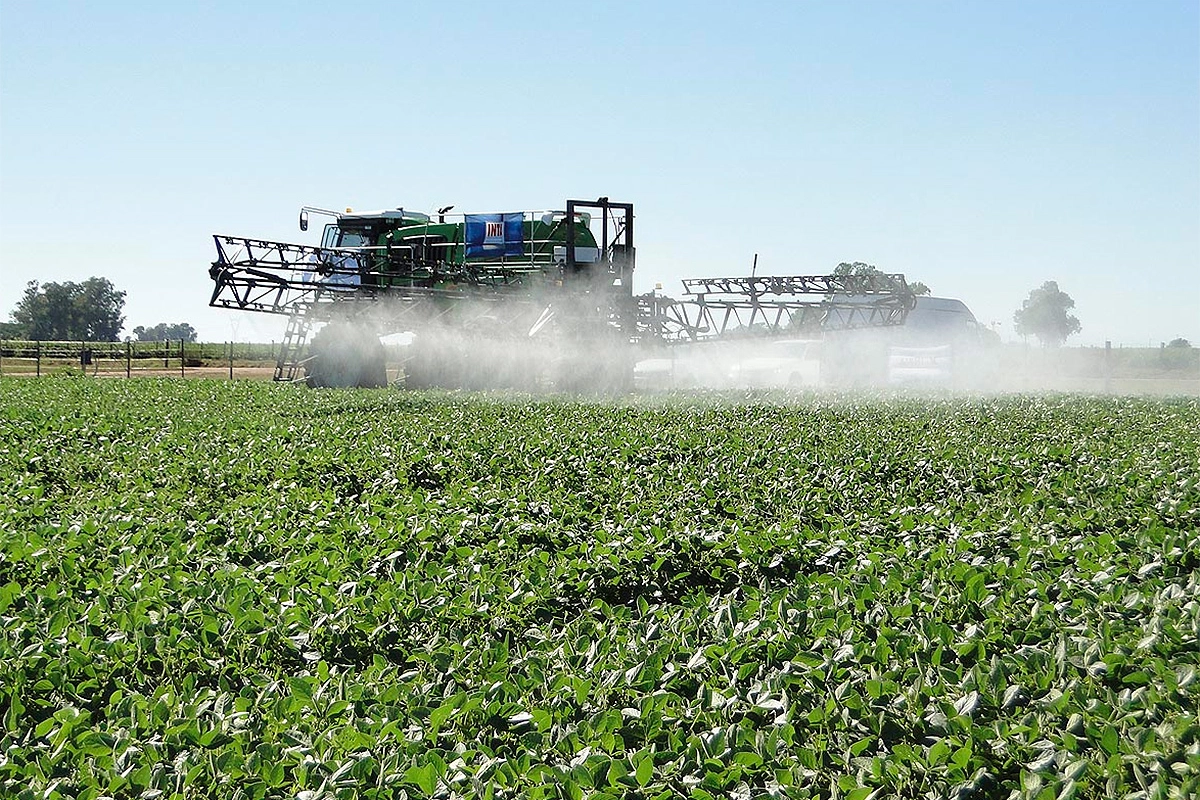
Environmental impact and persistence in ecosystems
The intensive use of glyphosate has negative effects on biodiversity, by reducing the presence of wild plants, which affects insects, birds, and other organisms that depend on them.
Additionally, its presence has been detected in soils, surface, and groundwater, raising concerns about its persistence and mobility in the environment.
What does the European Union say?
From Brussels, authorities defend that the revision is part of an effort to strengthen the control of hazardous substances, improve regulatory coherence, and align standards with basin hydrological plans.
According to the Water Framework Directive (WFD), 46% of surface waters and 24% of groundwater in the EU do not achieve good chemical status, although there are significant differences between countries.
The Council of Europe argues that updating the Priority Substances Directive seeks to include emerging pollutants and consider the cumulative effects of chemical mixtures, not just individual substances.
Glyphosate and fauna: effects on amphibians, bees, and more
Glyphosate has also been identified as an endocrine disruptor, with effects on the hormonal system of wildlife.
Amphibians are especially vulnerable, but impacts on bees have also been documented, according to studies by the European Network against Pesticides.
A decision that puts environmental health at stake
The revision of the glyphosate limit in water raises a fundamental debate about the dominant agricultural model, the management of chemical substances, and the prioritization of public health and biodiversity.
In a context of climate crisis and accelerated species loss, reducing environmental protection standards can have irreversible consequences.



