



The illegal trafficking of waste, many of them toxic, has become a lucrative business on all continents, sustained by corruption, lack of uniform regulation, and the cunning of criminal networks.
According to the United Nations Office on Drugs and Crime (UNODC), this illicit trafficking is difficult to detect and prosecute, but its consequences are severe: contamination of drinking water, soil, and the ocean, in addition to direct risks to public health.
Main Categories of Illegal Trafficking
The UNODC report identifies five major types of waste involved:
- Electronic waste.
- Plastics.
- Vehicles.
- Metals.
- Mixed waste.
These materials are often sent from wealthy countries to regions with less management capacity, generating waste colonialism and affecting vulnerable communities more significantly.
Detected Illicit Practices
Among the forms of illegal disposal are:
- Mixing with other materials.
- Clandestine storage.
- Burning and use as fuel.
- Uncontrolled burial.
- Dumping directly into nature.
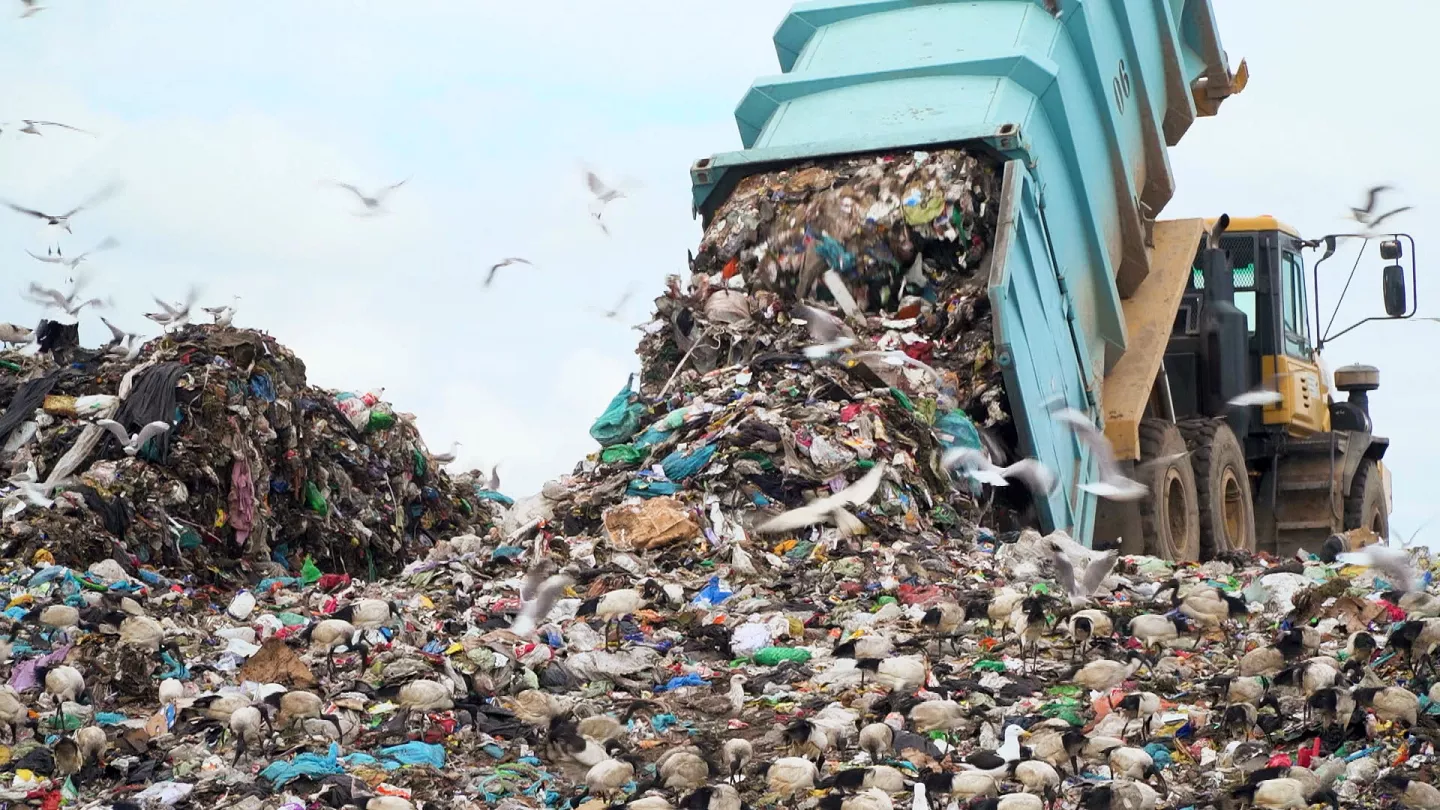
Global Impact and Projections
The World Bank estimates that by 2050 global solid waste production will reach 3.4 billion tons, growing faster than the population. In low-income countries, the amount could triple, with more than half of the waste deposited in the open air. Currently, one-third of waste is not managed in an environmentally safe manner.
The absence of harmonized sanctions allows traffickers to find alternative routes, as trafficking waste is cheaper than complying with legal standards. All regions of the world are involved in the export, import, or illegal trafficking of waste.
Strategies to Combat Waste Trafficking
The UNODC emphasizes the need for stricter sanctions and international cooperation. Some key measures include:
- Regulatory reinforcement: strictly applying the Basel Convention, prohibiting exports of toxic plastics to vulnerable countries.
- Customs and technological control: stricter inspections and use of risk profiles at borders.
- Penalty harmonization: toughening sanctions against environmental crimes and eliminating waste colonialism.
- Circular economy: promoting sustainable products, reducing single-use plastics, and improving recyclability.
- Transparency and cooperation: strengthening collaboration between customs and authorities, relying on organizations like the UNODC and UNEP.
Local and Citizen Actions
The fight against this problem also requires social participation:
- Reducing the consumption of disposable products.
- Separating waste to facilitate recycling.
- Reporting suspicious illegal disposal activities.
Illegal waste trafficking is a lucrative business that endangers the health of millions of people and degrades ecosystems worldwide. Combating it requires a comprehensive approach, from international legal frameworks to local responsible consumption actions.
The circular economy and global cooperation are key to curbing this phenomenon and ensuring a cleaner and safer future.


