



A group of opposition legislators submitted an extension of the challenge regarding the Public Hearing related to the Glacier Law in the Chamber of Deputies of the Argentine Nation. Consequently, they reported new irregularities in the procedure.
Among the main objections, they pointed out restrictions on participation and lack of transparency. Additionally, they indicated changes in the conditions during the development of the meeting.
Furthermore, the presentation was addressed to Martín Menem. The document incorporates facts that, according to the complainants, affect the validity of the process.

Irregularities in participation and organization
The legislators warned of inconsistencies in the lists of speakers. Indeed, some people not initially selected managed to intervene in the hearing.
Among them, the participation of representatives from the Ministry of Mining of San Juan was mentioned. This raised questions about the fairness of the process.
On the other hand, the premature closure of the hearing was reported. Deputy Nicolás Mayoraz ended the session when there were still pending participants.
As a result, several speakers waiting in the vicinity of the Congress entered later. However, this situation reinforced the criticisms about an irregular organization.
Environmental impact and debate on glaciers
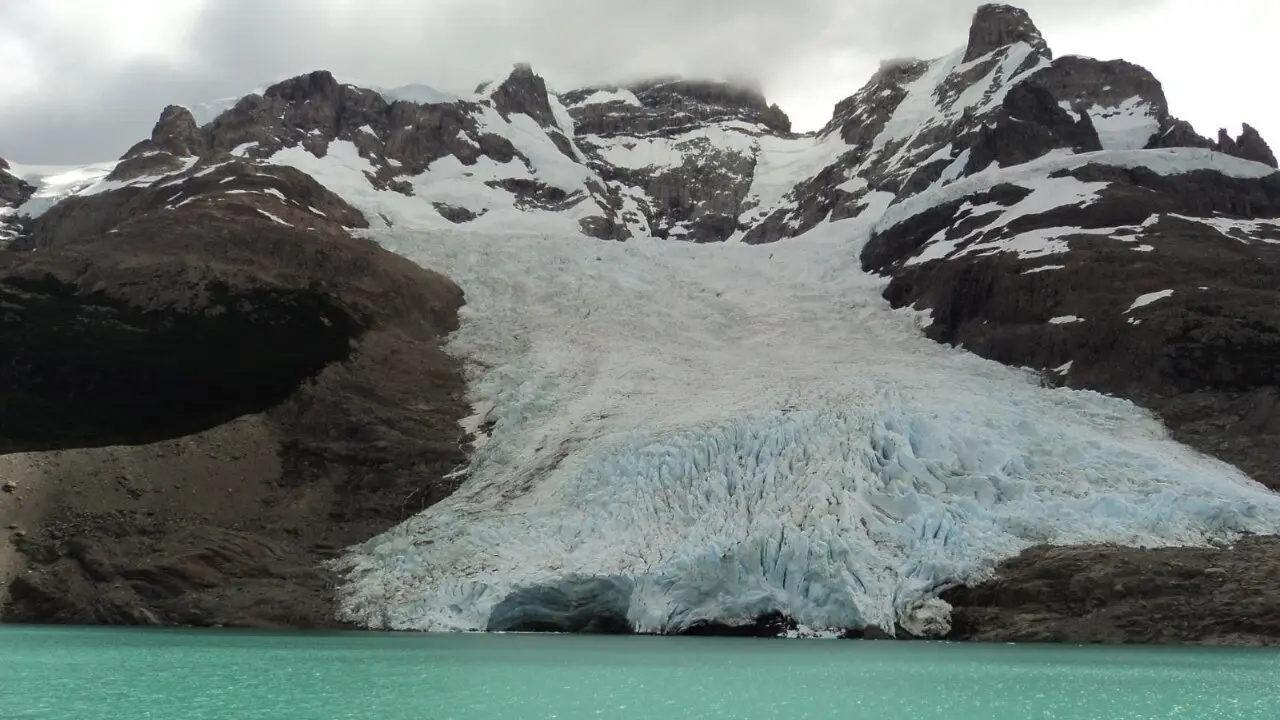
The debate on the Glacier Law is key for the protection of strategic freshwater reserves. Therefore, any irregularity in its treatment raises concern.
Moreover, glaciers play a fundamental role in water regulation. Their deterioration directly impacts ecosystems and communities.
On the other hand, the pressure of extractive activities increases environmental risks. In this context, the need for rigorous controls becomes central.
Likewise, the legislative treatment of these issues demands transparent processes. This way, the legitimacy of decisions is ensured.
The importance of community participation
The citizen participation is a pillar in environmental debates. Firstly, it allows incorporating diverse perspectives in the decision-making.
Additionally, it strengthens the legitimacy of public policies. When processes are inclusive, the results tend to be more sustainable.
On the other hand, local communities possess key knowledge about their territories. Their contribution is fundamental to design conservation strategies.
Consequently, limiting participation weakens democratic processes. It also reduces the quality of environmental decisions.
Transparency and institutional challenges
The complaints reflect tensions in the management of participatory processes. Therefore, a debate on the need for institutional mechanisms is opened.
Likewise, ensuring clear rules and equitable access becomes indispensable. This allows avoiding questions and strengthening public trust.
Finally, in a context of climate crisis, environmental debates require greater openness. Only through transparent processes will it be possible to advance towards sustainable policies.



