



The residents of the Tarraubella neighborhood, in Tandil, have been living in crisis for years, as they have been without drinking water for years.
The families of the plain face the same crisis every summer: precarious connections that leave their homes without supply during the day.
An analysis by the Faculty of Veterinary Sciences of UNICEN detected that more than 80 percent of the samples are not suitable for consumption due to recent fecal contamination.
In this critical situation, the residents submitted a feasibility request to the Municipality for the Province to proceed with infrastructure works.

Summer without drinking water and with deficient connections
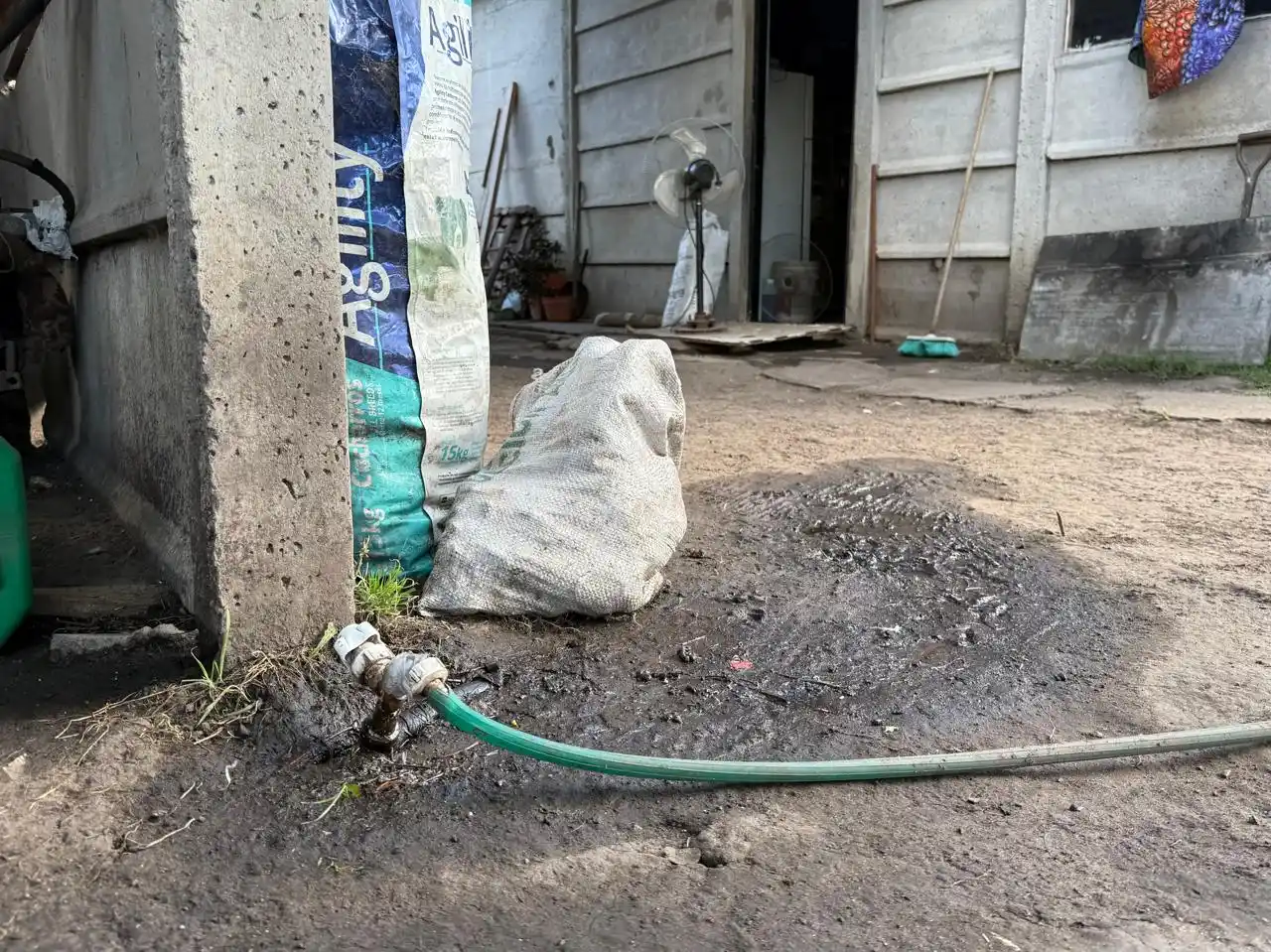
The families living in the area adjacent to the towers that gave the neighborhood its name access water through a precarious connection.
“12 houses from the same hose,” according to the neighbors told El Eco de Tandil.
The hoses that connect to the network “form a web” that often pass very close to septic tanks.
This situation creates an obvious sanitary risk for the families who have been waiting for a solution for years.
“Now there is no water, directly. During the day there is none, it must be cut around 9. And it comes at night when we are sleeping,” said Damián, who lives with his family in the plain. By New Year’s days, they had already been without drinking water for a week and a half.
The daily drama of supplying in Tarraubella, Tandil
The neighbors developed survival strategies to face the lack of supply:
- They leave jars and faucets open during the night to collect water
- They fill buckets to fill thermoses and be able to bathe
- They store bottles in the fridge to have water available
- They buy 20-liter jugs for consumption
- They boil the water and add bleach to make it potable
“We fill two buckets to fill the thermos to bathe. And we put bottles in the fridge,” added Mariana, Romina and Natalia, who have been living in the place for more than a decade.
The claim for access to the service dates back to at least since their arrival in the neighborhood.
“We have gone to Social Development in Del Valle, we talked to the girls there but we have not had a response,” lamented the neighbors.
Contamination confirmed and sanitary risk
The Veterinary study was conclusive: the water used by the families is not potable.
“The water passes through many places, through the wells, and through places where there are animals,” the neighbors pointed out.
From Veterinary they pointed out that part of the problem is due to the fact that the hoses are not elevated from the ground level and many have leaks.
Part of the families resort to buying jugs after learning the result of the study.
“We have to boil it and they gave us some droppers,” the neighbors said, who through the Neighborhood Table attended a talk on drinking water treatment.
“I, for example, buy jugs, four or five 20-liter jugs. But for cooking I do boil it with two drops of bleach per liter,” said another neighbor of the neighborhood.
The request to the Municipality seeks to grant technical feasibility for the Province to allocate funds for intradomiciliary connections and finance the extension of the network.
The works would consist of an extension of the already existing network in the area of the towers.
The neighborhood concern is not only for the supply for consumption, but for the water they use regularly to refresh themselves in the middle of summer.
The landscape of the plain of Tarraubella shows children playing in canvas pools with water that could be contaminated and is not potable.


