



In an effort to enhance biodiversity protection and be prepared for environmental emergencies, the Secretaría de Ambiente y Cambio Climático de Río Negro and the municipality of Viedma have launched a coordinated plan.
It aims to optimize the response to specific situations along the coastal area, which extends from Viedma to Bahía Creek.
This joint initiative seeks to act efficiently in critical situations, such as the stranding of marine and terrestrial wildlife, or spills of hazardous substances.
The coordinated plan to respond to environmental emergencies
The collaboration between the provincial and municipal government will establish action protocols to ensure a rapid and coordinated response.
By joining the Federal Network for Assisting Marine Wildlife Strandings, the province of Río Negro also strengthens its commitment to environmental conservation. This is complemented by cooperation with national, provincial, and local entities.
As part of this plan, specialized training sessions will be conducted for the personnel of the Río Negro Police, the Argentine Naval Prefecture, and Wildlife agents. These training sessions will focus on the safe handling of wildlife in emergency situations.
The municipal Civil Defense Director, Alejandro Urrutia, highlighted the importance of this coordination for response capacity and announced that, in addition to training for personnel, training sessions aimed at the community will be organized.
More protection for marine wildlife: measures for southern right whales in Rada Tilly and Comodoro Rivadavia
In line with the goal of protecting native wildlife, the Argentine Naval Prefecture (PFA) recently established new measures to protect southern right whales in Rada Tilly and Comodoro Rivadavia.
In its role as maritime authority, the organization warned that between May and December, the presence of whales significantly increases in coastal areas and navigation routes near Comodoro Rivadavia.
This concentration requires taking extreme precautions to prevent incidents and ensure the preservation of the species. The main measures are:
Recommendations for vessels
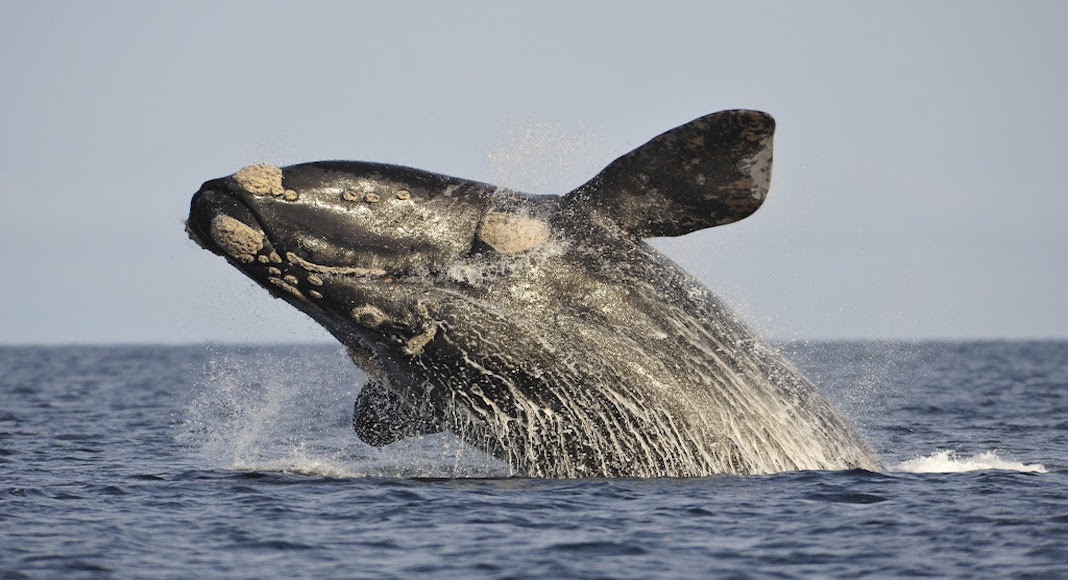 Protection measures for whales.
Vessels must maintain active vigilance, avoid collisions or approaches, and respect a minimum distance of 200 meters from any cetacean.
Furthermore, any sighting must be immediately reported to the Coast Guard through VHF channels 9 or 16, or by calling the Nautical Emergencies number 106.
Restrictions on water sports and activities
Restrictions also apply to nautical and recreational activities such as kitesurfing, windsurfing, kayaking, rowing, offshore sport fishing, stand up paddle, dinghy sailing, and diving. In all cases, direct approach to whales is prohibited.
The Coast Guard emphasized that these measures will be in effect until December. They are part of the actions to ensure both navigation safety and the protection of protected marine species, considered natural heritage of the region.



