



The US Climate Alliance, a bipartisan coalition of governors committed to climate action, is making significant progress in reducing greenhouse gas (GHG) emissions at the subnational level.
Between 2005 and 2024, member states achieved a 24% reduction in their pollutant emissions. Additionally, their combined Gross Domestic Product (GDP) grew by 34%, according to a report presented at the World Mayors Summit in Rio de Janeiro, ahead of the COP30.
Climate action beyond federal policy
State leaders emphasize that their efforts transcend the stance of the federal administration. This occurs in contexts of climate denialism like the one experienced during the administration of Donald Trump, who withdrew from the Paris Agreement on two occasions.
“We want the world to know that the United States continues to work at the state level to reduce emissions, create clean energy jobs, and increase resilience,” stated Tony Evers, governor of Wisconsin and co-chair of the Alliance.
Ambitious goals and concrete results
The US Climate Alliance has set out to:
- Reduce emissions by 26% by 2025.
- Achieve a 52% reduction by 2030.
- Reach 66% by 2035.
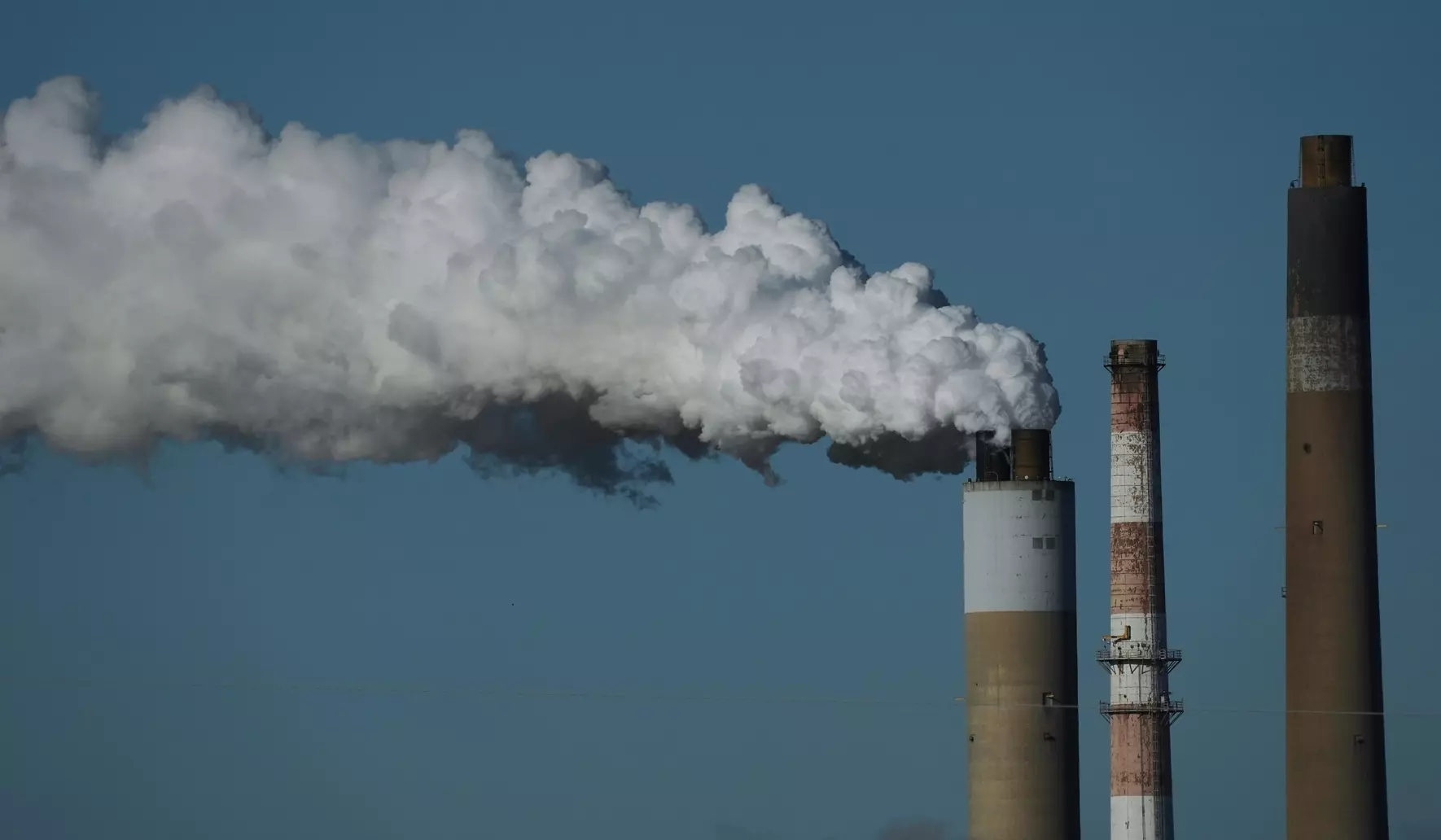
Between 2005 and 2023, member states added nearly 200 gigawatts of renewable capacity, achieving a 45% reduction in carbon pollution from the electric sector.
Investment in clean energy and local resilience
“Governors who know how to drive economic progress are investing in clean and renewable energies,” highlighted Michelle Lujan Grisham, governor of New Mexico.
The Alliance demonstrates that the energy transition is not only viable, but creates jobs, strengthens industry, and improves community health, even without federal support.
Active presence at COP30
Although the United States will not be officially represented at COP30, more than 100 members of the Alliance, including governors and mayors, will attend the summit in Belém. They seek to reaffirm the states’ climate commitment.
“We continue to work regionally to reduce emissions, regardless of what our president says,” stated Grisham.
A model of decentralized climate governance
The US Climate Alliance represents an example of how the division of powers in the United States allows for progress in climate policies from the local level. Even when the federal government is reluctant.
“Bad federal policies only reinforce our determination and motivate us to new actions,” stated Evers.
Climate leadership from the states
The experience of the US Climate Alliance shows that effective climate action can emerge from the subnational level, with measurable and sustainable results.
In a global context of climate urgency, the commitment of US states to the Paris Agreement and their investment in clean energy reinforce the idea that the ecological transition is compatible with economic growth.


