



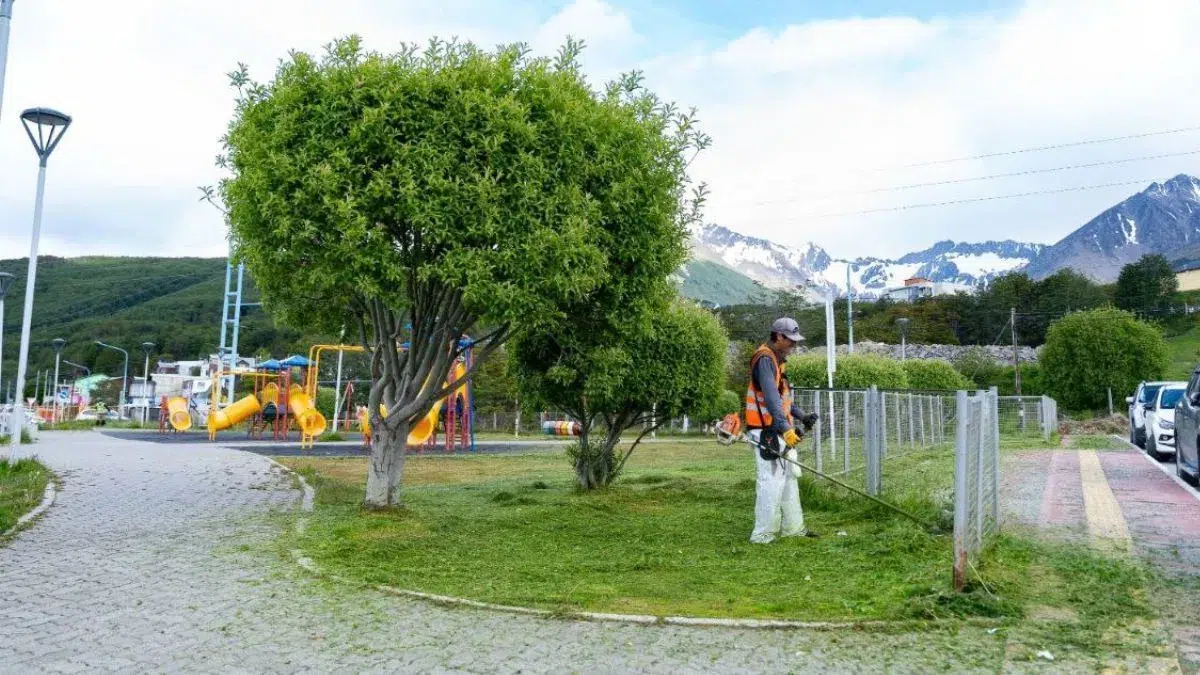
During the last day, environmental tasks were concentrated at the Women’s House, in Nave Tierra, and in the square located at Alem and Cámpora. Municipal teams carried out cleaning, weeding, and reconditioning of urban furniture.
These actions are part of a continuous plan aimed at maintaining spaces used by residents and tourists. The Environment area maintains daily work that allows intervention in various sectors throughout the year.
The continuity of these tasks helps organize the city after the winter season and anticipate a summer with greater use of public spaces. Constant presence in neighborhoods also facilitates dialogue with the community and the detection of new needs.
The municipality highlights that sustained maintenance contributes to keeping squares and promenades active and accessible. These improvements strengthen the quality of the urban landscape and promote responsible environmental practices. The summer plan will continue with scheduled interventions in other sectors of the city.
Taking advantage of free areas to create new green spaces
Managing unused areas as green spaces offers opportunities to improve the urban ecological infrastructure. Transforming vacant lots into squares, gardens, or natural corridors increases the soil permeability and reduces the heat impact.
Additionally, these sites can become meeting points for community and educational activities. The planned use of free zones also contributes to improving environmental connectivity.
The incorporation of native vegetation favors the transit of species and helps recover biodiversity. At the same time, it reduces the risk of these spaces becoming dumps or urban degradation hotspots.
Integrating new green spaces into the public network strengthens the city’s resilience to climate change. These areas absorb rainwater, regulate local temperature, and decrease flooding events. Their participatory design can ensure they meet the needs of each neighborhood.
The environmental and social benefits of green spaces
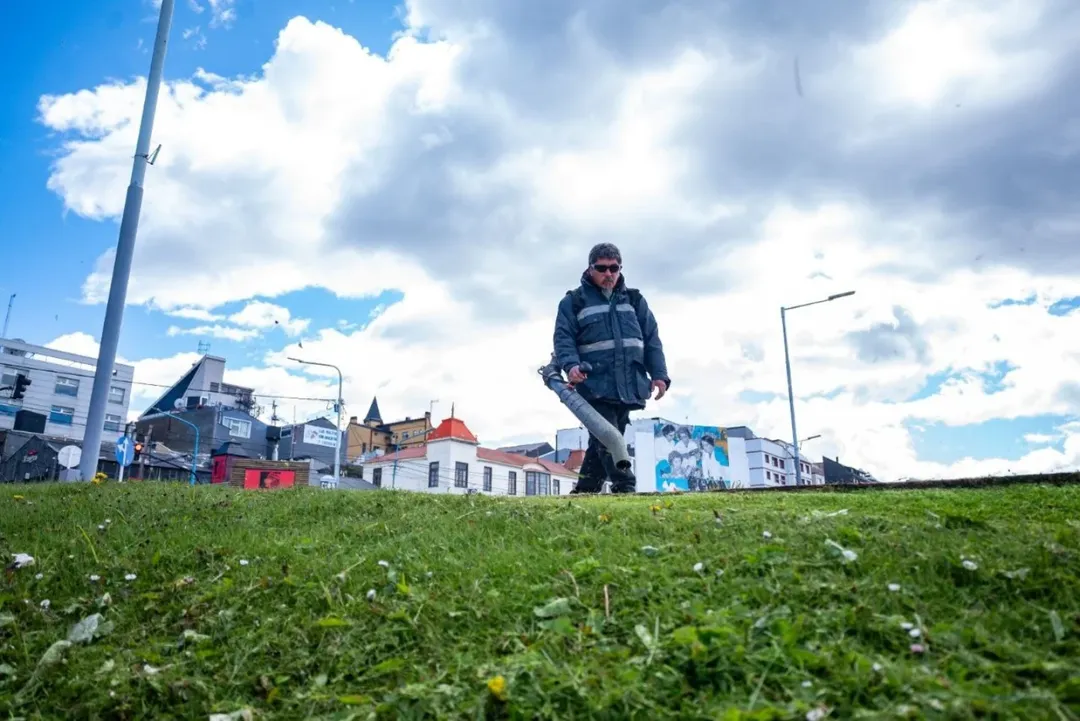
Urban green spaces improve air quality by absorbing pollutants and releasing oxygen. They also help regulate temperatures, mitigating the “heat island” effect in densely built areas. Their presence helps buffer noise and create favorable microclimates.
For health, these environments offer safe places to walk, rest, and engage in physical activity. Contact with nature reduces stress, improves emotional well-being, and promotes healthy habits. Additionally, it encourages the use of public space and strengthens community life.
Ecologically, green areas serve as refuges for birds, insects, and small mammals. Plant diversity favors the presence of pollinators, essential for the balance of ecosystems. Their maintenance and expansion are key to building more sustainable and livable cities.



