



The Climate Week, held this week in New York, concluded with an ambiguous balance. While the official agenda, organized by The Climate Group, featured over a thousand events with massive participation from experts and organizations.
The overall tone of the week was heavily influenced by the speeches at the United Nations General Assembly, where the denialist discourse of the United States president generated significant tension.
Amid a one-hour intervention characterized by misinformation, the US president declared that “climate change is a hoax”.
His words caused nervousness and anger among the audience of officials and international authorities, marking a strong contrast with the cooperation efforts being discussed in other forums in the city.
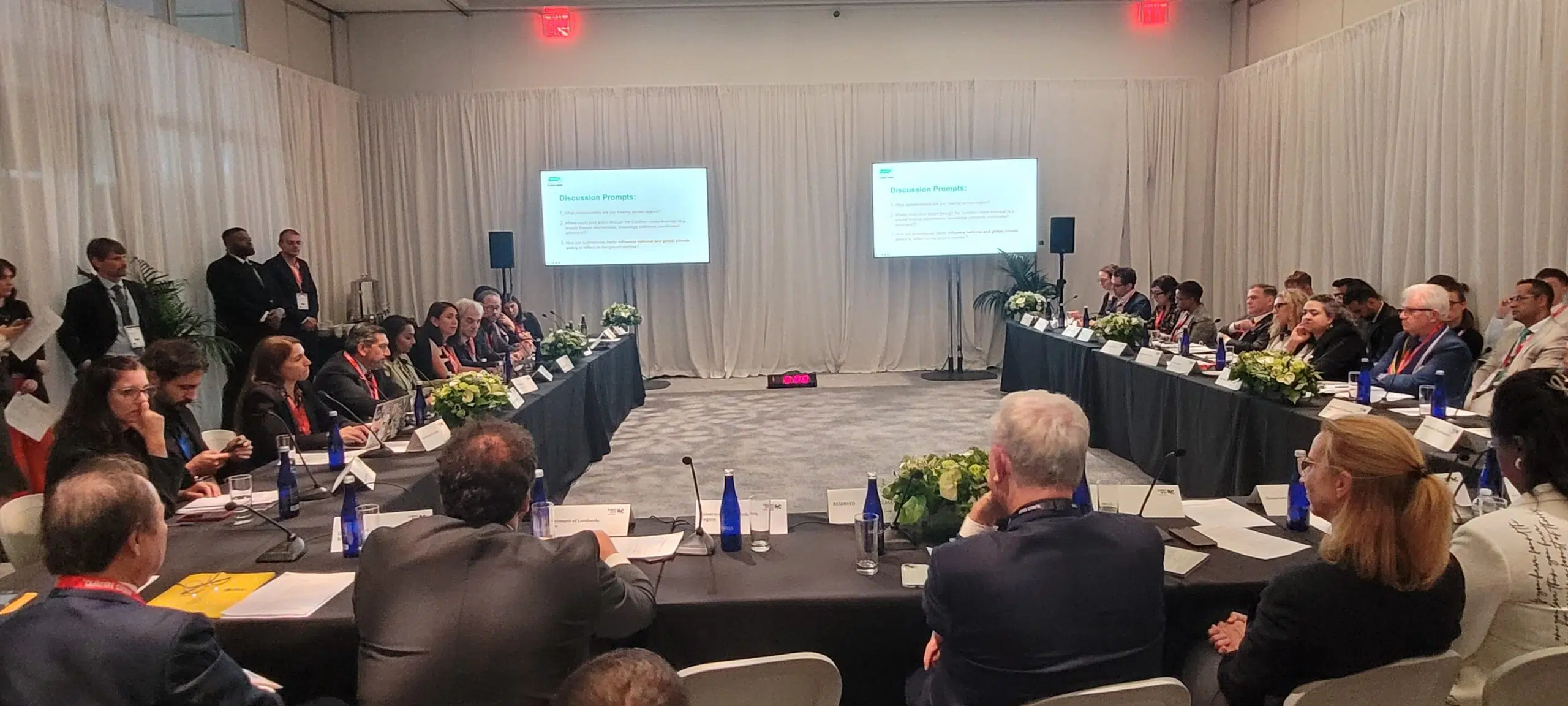
Simultaneously, Climate Week continued with an intense agenda of panels, ministerial meetings, and multi-sectoral collaboration spaces. The discussions focused on concrete solutions and accelerating climate action.
 SSF in Climate Week in New York[/caption>
“We need forums like these, where multilateralism can find synergies to drive climate action,” stated Nasha Cuello Cuvelier, co-founder of the organization Sustentabilidad Sin Fronteras in Noticias Ambientales.
However, Cuello Cuvelier warned that “those commitments must rise to the occasion. We are already experiencing the impacts of climate change and any delay in the agenda can be lethal.”

Aligned with the need for action, a recent study highlighted the strong economic argument for investing in adaptation. The analysis, which reviewed 320 investments in 12 countries totaling 133 billion dollars, concluded that every dollar invested in adaptation and resilience generates more than 10 dollars in benefits over a ten-year period.
This translates into potential benefits exceeding 1.4 trillion dollars and an average return of 27%.
Among the technical topics highlighted on the agenda were methane emissions reduction, the key role of subnational governments in implementing policies, improving sustainable value chains, and the growing need to combat misinformation in the era of post-truth.


