



Plastic pollution is a growing threat to rivers, coasts, and cities in the region. Several governments, municipalities, and organizations have already advanced regulations aimed at reducing single-use plastics.
In fact, several countries already have national laws, subnational frameworks, and sectoral regulations. These legislations function as tools combining bans, taxes, extended producer responsibility, and circular economy goals.

Countries that already have regulations and what they regulate
As mentioned earlier, several Latin American countries have specific regulations to limit disposable plastics. An example is Chile, which passed a national law regulating the distribution of single-use plastics and establishing obligations regarding plastic bottles.
Colombia, on the other hand, implemented the Law 2232/2022 and its regulations to gradually eliminate 21 single-use plastic items by 2030, with phases starting in 2024–2025.
Other nations like Peru, Uruguay, and Costa Rica have legal frameworks that ban or restrict bags and other lightweight plastics; while Uruguay, for example, regulated the manufacture and import of non-compostable bags since 2019.
Concrete measures being applied
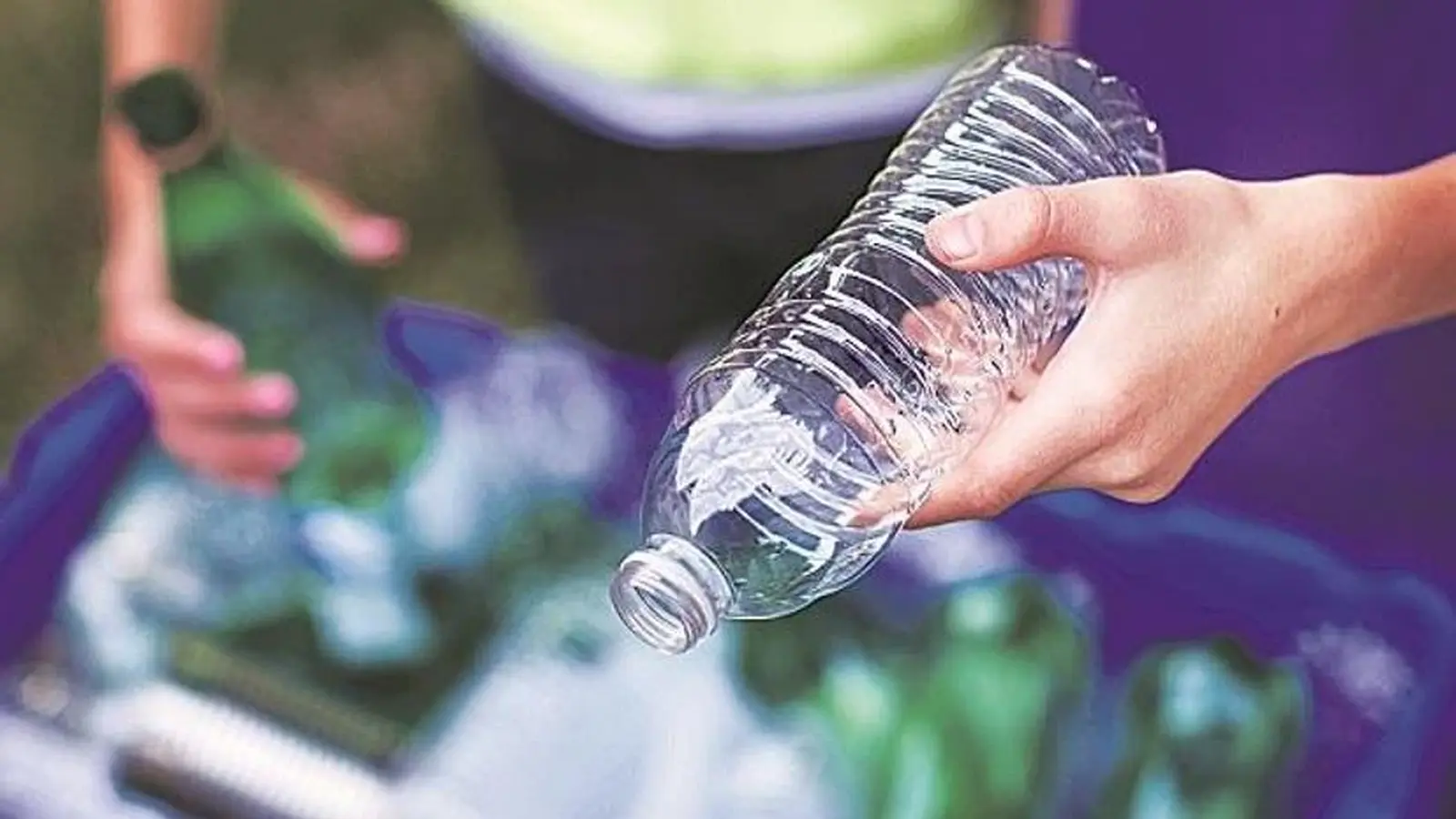
Actions to tackle this issue range from total or partial bans, charging for bags, elimination schedules to recycled content requirements in packaging. In this regard, Chile added requirements for the incorporation of recycled PET and limits on the distribution of utensils in stores.
At the same time, Colombia defined a schedule to eliminate specific items (cups, cutlery, trays, straws) and promote reusable and biodegradable alternatives.
At the municipal and state level —such as in Mexico City or several Brazilian states— local bans on cups, cutlery, and bags have been applied, complemented by education and enforcement campaigns.
What research shows about effectiveness and limits
While the measures aim to curb plastic pollution, several studies indicate that these bans and fees reduce the presence of plastics in cleanups and urban landfills, but they can generate substitutes with their own impacts.
Moreover, global reports from organizations like UNEP emphasize that policies must combine regulation, circular economy, and financing for waste management infrastructure. Therefore, isolated measures are less effective without collection, recycling, and public awareness.
These studies add to regional reviews, which show that Latin America and the Caribbean face logistical and funding challenges, and that many local regulations still lack uniform compliance and outcome evaluation.
How to curb plastic pollution: key policies and practices
- First: reduce at the source. Banning or restricting unnecessary products and setting phased elimination goals boosts the demand for reusable alternatives. Laws that set clear schedules (like in Colombia) are examples of progress.
- Second: extended producer responsibility (EPR). Requiring manufacturers to finance collection, recycling, and more recyclable designs improves the circular economy and reduces environmental leaks. Several countries are already incorporating EPR schemes.
- Third: strengthen waste management. Investing in collection, sorting, and recycling plants prevents plastics from reaching rivers and oceans; without this, bans only shift the problem.
These measures, along with educational campaigns, public-private agreements, new design rules, and recycling goals, are some of the tools that can help generate a change that raises environmental awareness and protects the planet.


