



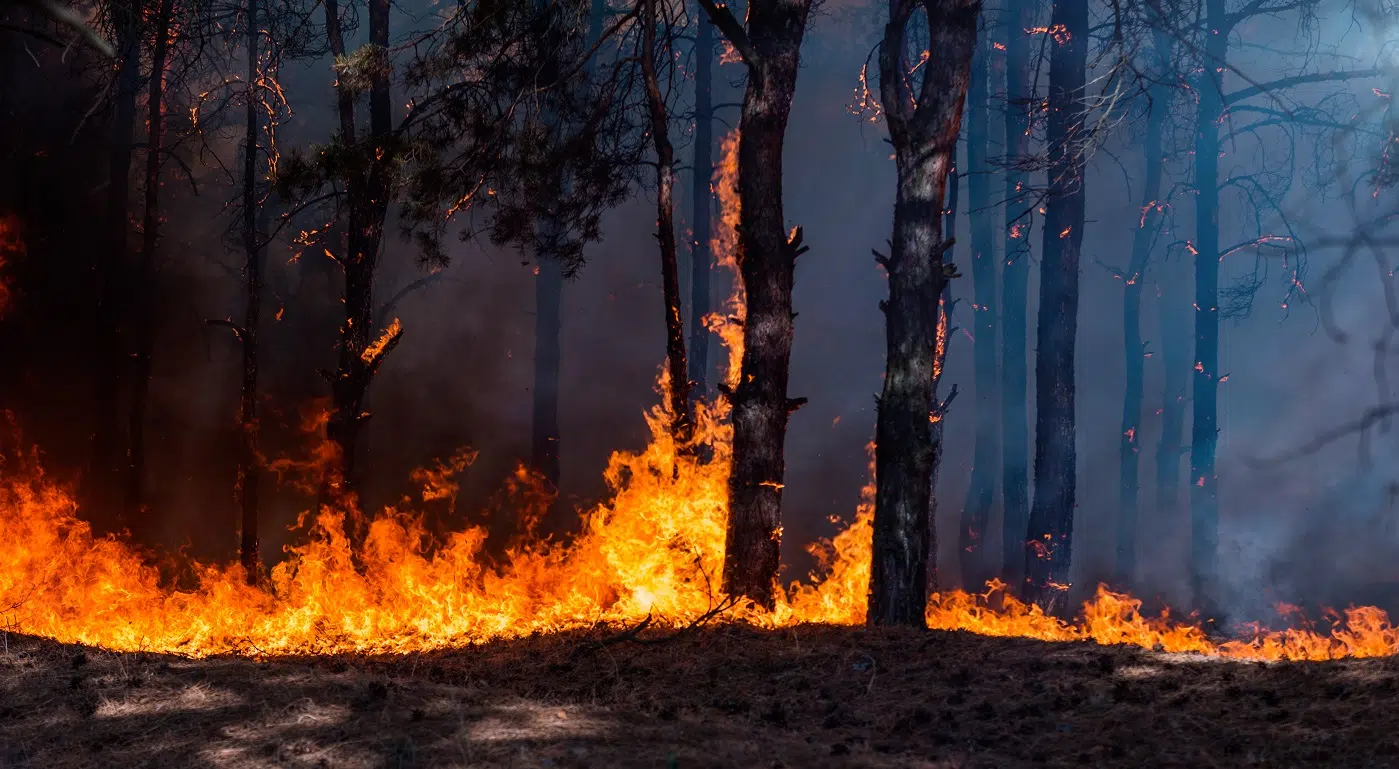
The wildfire season in the United States began with unprecedented figures. In Georgia, the flames destroyed more than 120 homes; in Nebraska, the Morrill Fire ravaged 642,000 acres and became the largest fire in the state’s history; and in California, an early outbreak forced thousands of people to evacuate on the outskirts of Los Angeles.
Since January, almost 30,000 fires have been recorded, the highest number in two decades, with more than 2 million acres burned, double the average of the last ten years.
Factors aggravating the season
Experts like Morgan Varner, from Tall Timbers Research Station, warn that various elements are converging for a critical year:
- Prolonged drought in the southeast and the Great Plains.
- Low snow accumulation in the west, reducing water recharge.
- Abundant vegetation acting as fuel.
- Altered climate patterns due to the development of a “super El Niño”.
- Historic heat intensifying dry and hot conditions.
Most affected regions
- Georgia: more than 3,000 fires and 83,000 acres burned, eight times more than in recent years. The Highway 82 Fire, caused by a balloon that fell on a power line, destroyed a record number of homes.
- Florida: tens of thousands of acres burned near Jacksonville and Miami, sending smoke to unaccustomed communities.
- Nebraska and Great Plains: the Morrill Fire consumed entire prairies in less than a day. Nebraska accounts for 40% of the burned area in the country until May.
- California and the west: early fires in Santa Rosa, Riverside, and Ventura, with more than 17,000 acres affected and massive evacuations.
Social and environmental impacts
Fires increasingly affect areas close to populated zones, causing human and material losses. Additionally:
- Loss of biodiversity: endemic species at risk, such as those on Santa Rosa Island.
- Air pollution: smoke reaching hundreds of miles, affecting cities like Atlanta.
- Rural economy: damage in livestock and agricultural areas, with a direct impact on local communities.
Lack of prescribed burns
Fires are exacerbated by the reduction of controlled burns, a practice aimed at eliminating accumulated vegetation.
In Florida, the amount executed is the lowest in 25 years. According to Varner, “almost all southeastern states are at half of what they should have done,” increasing the cumulative risk for the coming years.
Forecasts for the summer
The National Interagency Fire Center predicts that activity will remain above average in California, the southwest, and the Great Basin. Spring rains generated more vegetation that can serve as fuel, while El Niño could bring dry storms and lightning capable of starting new outbreaks.
Craig Clements, from the Interdisciplinary Center for Wildfire Research, warns: “What is concerning is a prolonged heatwave followed by dry thunderstorms”.
The 2026 wildfire season in the U.S. is already historic and could worsen in the coming months. The combination of drought, extreme heat, and lack of controlled burns presents a critical scenario for rural and urban communities.
Preventive management, adaptation to climate change, and investment in early warning systems will be key to reducing the impact of a phenomenon that threatens to become one of the most devastating in recent decades.


