



The exponential growth of artificial intelligence (AI) also has a less friendly side with the planet, due to the high utilization of resources. That’s why the proposal of creating data centers in space is being promoted.
It is an innovative and bold idea that would provide a solution to a growing problem. If current advances continue, it is projected that the electricity consumption of current data centers will increase by up to 165% by 2030.
In this sense, the digital infrastructure of major tech companies would be moved to outer space. Here are the details.
AI: Visionaries Betting on Orbit
The idea of taking the digital infrastructure out of Earth is gaining ground among industry leaders. Sam Altman, CEO of OpenAI, has stated that the expansion of data centers is inevitable and suggested the possibility of locating them in space to mitigate the environmental impact.
 AI’s proposal to combat climate change. (Photo: Pixabay).[/caption>
But Altman is not alone in this vision. Names like Jeff Bezos and Eric Schmidt also support the initiative. There are already startups like Starcloud, Axiom, and Lonestar Data Systems that have raised millions to develop prototypes of space data centers.
Although concepts like the “Dyson sphere” remain science fiction, more realistic projects are underway.
Advantages and Challenges of Space Centers
The potential of this proposal is enormous, according to specialists. Space data centers could harness solar energy continuously, avoiding the consumption of fossil fuels. Additionally, they would move away from Earth the problems of noise, pollution, and high water demand generated by these gigantic complexes.
However, the challenges are also significant. Experts like electrical engineer Ali Hajimiri pointed out that, although technology is advancing, data processing would be slower and equipment maintenance in orbit would be complicated. This is in addition to the vulnerability to radiation.
Companies also see a benefit in the absence of terrestrial regulations. While on Earth they face municipal permits and community opposition, in space, they could operate with greater freedom.
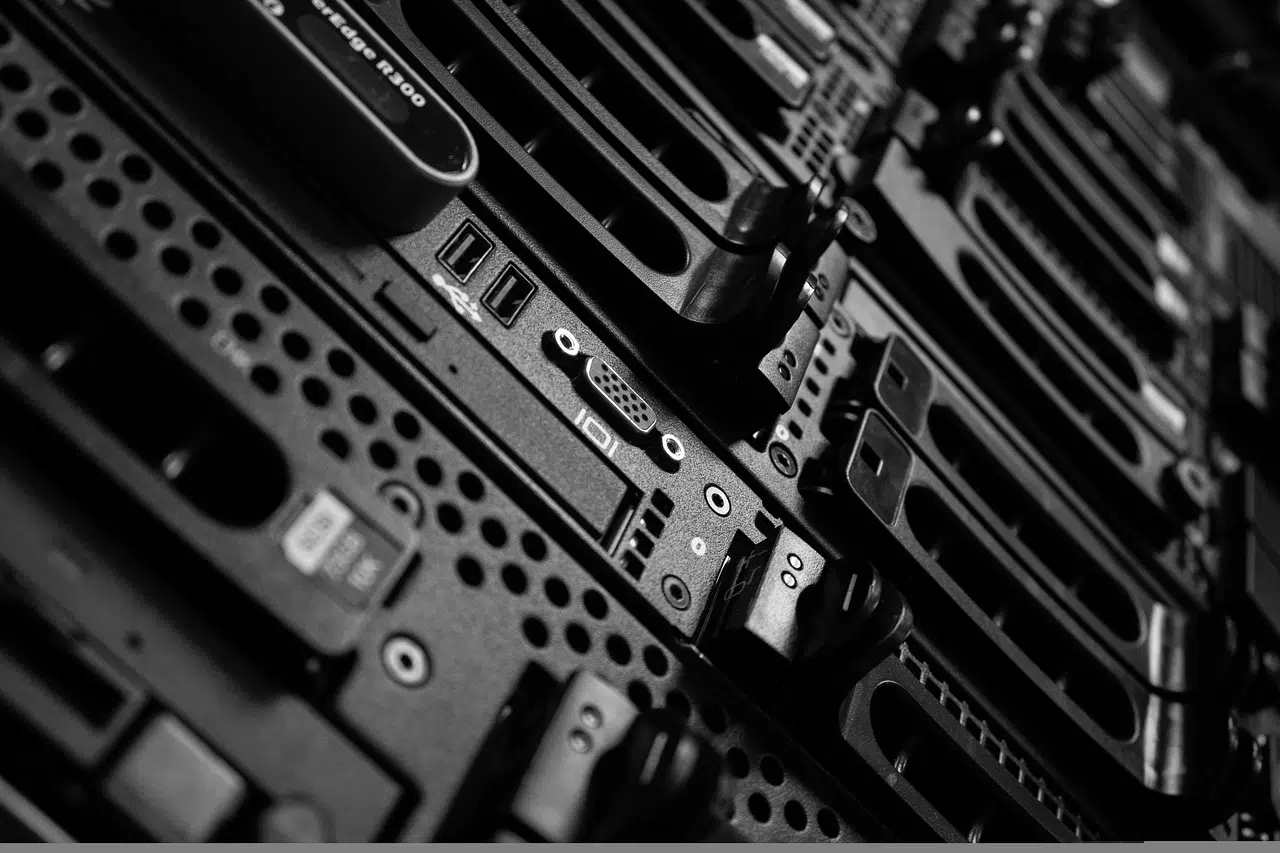 Resource consumption of data centers. (Photo: Pixabay).[/caption>
Currently, space initiatives are in an experimental phase. For now, orbital data centers are seen as a viable option for very specific missions, such as national security.
To compete in price and efficiency with their terrestrial counterparts, further technological advancements and a drastic reduction in costs are still needed.



