



Each year, between April and August, the coasts of Quintana Roo (Mexico) receive tons of sargassum, a macroalga that has increased alarmingly over the past decade.
This phenomenon, linked to climate change and Atlantic eutrophication, causes severe impacts:
- Environmental: suffocates coral reefs, seagrass beds, and affects turtle nesting areas.
- Economic: generates bad odors on beaches, deters tourists, and increases cleaning costs, which can also cause erosion.
- Health: decomposing sargassum releases hydrogen sulfide and ammonia, causing respiratory and neurological problems.
In 2018, about 60 tons were removed, and current monitoring records dozens of points with excessive presence.
Omar Vázquez Sánchez’s Solution
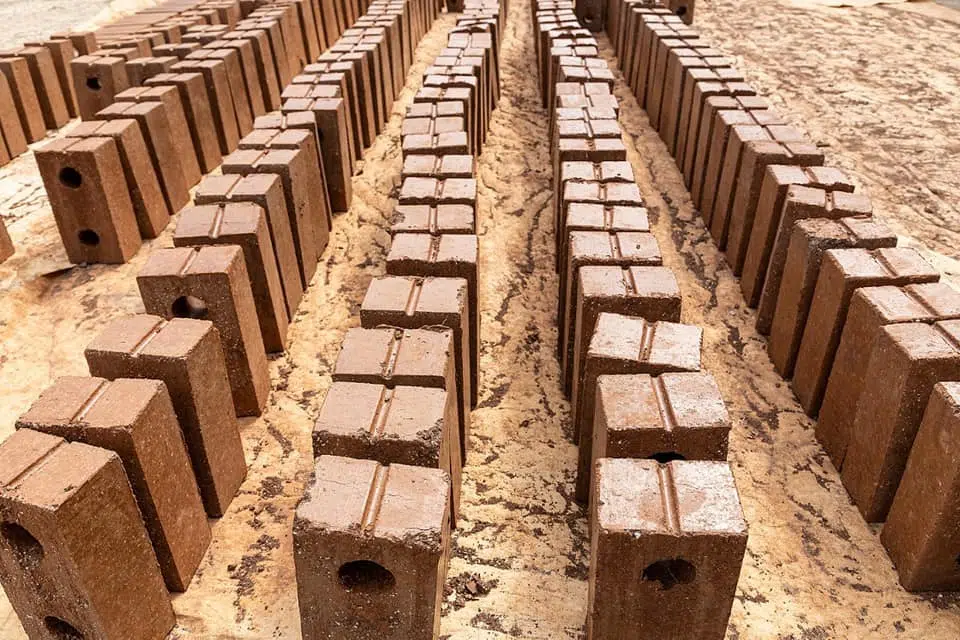
In response to this crisis, Mexican Omar Vázquez Sánchez founded Blue-Green in Puerto Morelos and turned the problem into an opportunity: he created construction blocks made of adobe and sargassum. With them, he built the Casa Angelita in just 15 days, the first house in the world constructed with this biomaterial, which is now four years old.
The blocks are made by dehydrating and crushing the sargassum (40% of the material), mixed with pruning waste and limestone. They do not require baking, dry in six hours, and cost about 12 dollars per unit. Their internal cavities facilitate electrical and plumbing installations, as well as providing thermal and acoustic properties.
Construction Benefits and Social and Environmental Impact
The system allows for a reduction of 30% to 40% in building costs, thanks to savings of up to 70% in cement and rebar. The UNAM confirmed its resistance to earthquakes and hurricane winds, sparking interest from construction companies in Mexico, Belize, the Dominican Republic, and the French Antilles.
Beyond technical innovation, Blue-Green has donated 13 homes to low-income families, demonstrating that sustainability can go hand in hand with social justice. The project proposes rethinking architecture from natural phenomena, turning a cyclical plague into a sustainable opportunity.
Need for Regional Action
The increase in sargassum requires measures beyond coastal cleanup:
- Early detection and containment at sea.
- International cooperation to address a problem shared by several Caribbean countries.
- Scientific research to better understand its causes and design lasting solutions.
Organizations like SECIHTI and financial entities like BBVA agree that the proliferation of sargassum is directly linked to excess nutrients and warming water.
Omar Vázquez Sánchez’s project demonstrates that innovation can transform an ecological crisis into an economic and social opportunity. Sargassum blocks not only offer a sustainable alternative for construction in Mexico, but also represent an example of how local creativity can provide global solutions to climate change and marine pollution.



