



Lakes play an essential role in the environmental balance of the planet. In addition to storing fresh water, they regulate the local climate, sustain food chains, and provide shelter to numerous species of flora and fauna.
However, some of these ecosystems face profound transformations as a result of human activity and climate changes. One of the most emblematic cases in Latin America is that of Lake Poopó, located in the Bolivian Altiplano.
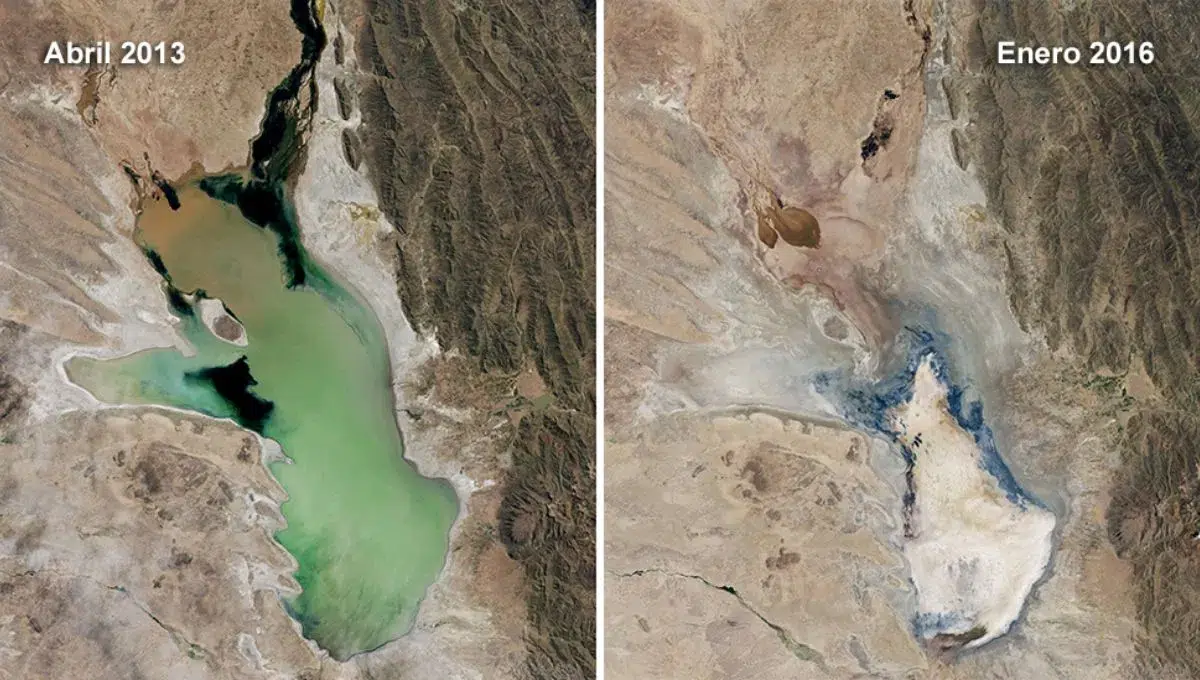
During the 1980s, this enormous body of water covered nearly 3,500 square kilometers, far exceeding the size of large cities. Its waters supported fishing activities and were essential for numerous communities that depended on its natural resources.
A key ecosystem for Andean biodiversity
Situated more than 3,600 meters above sea level, Lake Poopó was considered the second largest lake in Bolivia, after Titicaca. Its strategic location made it an important ecological regulator within the Andean Altiplano.
Moreover, its wetlands were areas of rest, feeding, and reproduction for thousands of migratory birds. Among them were Andean flamingos and other species that used these environments as a refuge during their seasonal movements.
Additionally, the lake’s biological richness contributed to the maintenance of complex ecological networks that benefited both the wildlife and the human populations settled in the region.
The causes behind a progressive disappearance
Over the years, various factors began to alter the natural balance of the lake. Prolonged droughts significantly reduced water inputs, while rising temperatures accelerated evaporation processes.
On the other hand, the decrease in the flow of the Desaguadero River directly affected the main water supply feeding the lake system. This was compounded by the impacts of mining activities and other sources of environmental pollution.
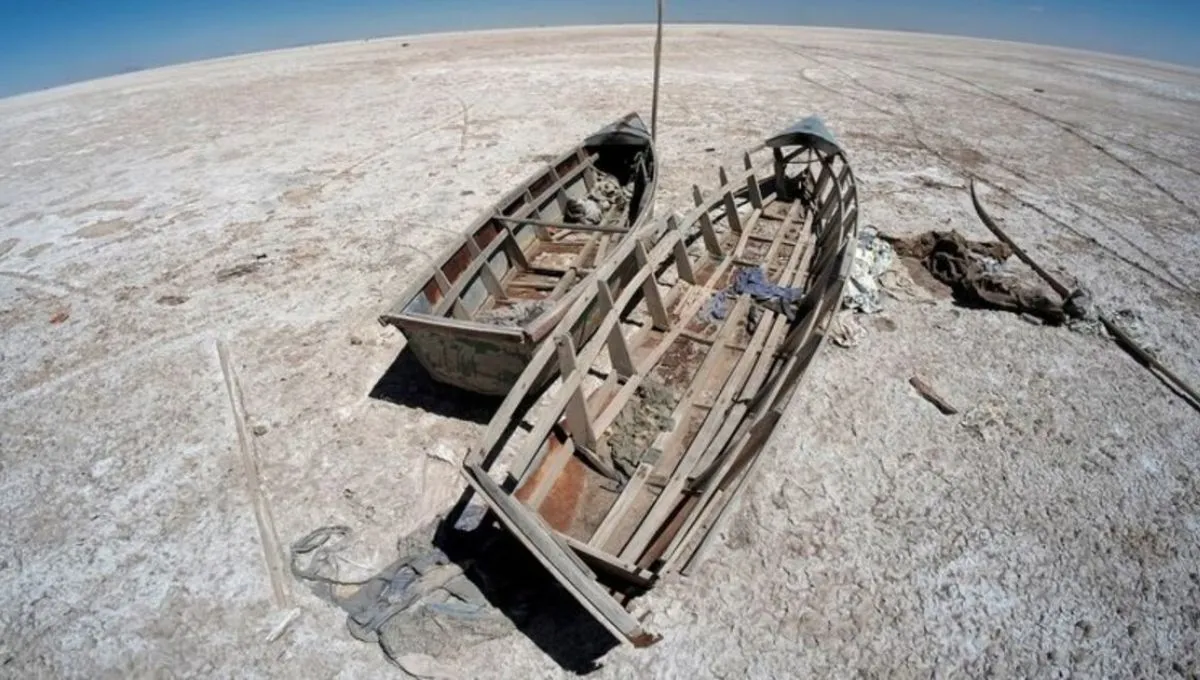
As a result, the surface of the lake was consistently shrinking until it reached a critical point in 2015. Images of stranded boats on cracked grounds became a symbol of the vulnerability of ecosystems in the face of climate change and human pressure.
The recovery of the Uru Uru and Poopó lakes
Currently, the recovery of the Uru Uru and Poopó lakes is one of Bolivia’s main environmental priorities. Various initiatives aim to reverse decades of ecological degradation and accumulated pollution.
In this context, the Chamber of Deputies is promoting actions to ensure the implementation of measures aimed at the decontamination, rehabilitation, and restoration of these ecosystems. Efforts include improvements in wastewater treatment and environmental infrastructure projects.
Additionally, national and international organizations are involved in technical studies aimed at strengthening the sustainable management of wetlands and recovering the biodiversity characteristic of this important Ramsar site in the Bolivian Altiplano.
The ecological importance of Lake Poopó
Lake Poopó is part of a complex wetland system of enormous importance for the conservation of high Andean species. Its existence favors regional water regulation and contributes to the maintenance of biological corridors essential for numerous migratory birds.
Moreover, these environments function as biodiversity reservoirs and help mitigate extreme climatic phenomena. The wetlands also play a role in natural water filtration processes and carbon storage.
Therefore, the recovery of the lake transcends the local scope. Restoring this ecosystem means protecting essential environmental services, strengthening resilience to climate change, and preserving a natural heritage of enormous value for Bolivia and all of Latin America.
A future dependent on environmental restoration
Although the lake did not completely disappear, its partial recoveries during years of higher rainfall demonstrate that there are still possibilities for ecological restoration.
However, specialists warn that sustained recovery will depend on an integrated management of the basin, effective environmental controls, and long-term conservation strategies.
Consequently, the case of Lake Poopó has become a reminder of the importance of protecting water resources and acting preventively against environmental degradation processes that affect the most fragile ecosystems on the planet.



