



The Amazon Flotilla Yaku Mama started a 3,000-kilometer journey on October 16 from Coca, Ecuador, to Belém, Brazil.
The initiative brings together 60 indigenous and territorial organizations that will sail the Amazon River to demand climate justice.
They also demand an end to fossil fuel extraction in the region before COP30 in November.
The objective of the route traced by the Yaku Mama Flotilla
The journey started from Francisco de Orellana, the same point where in 1541 the expedition that culminated in the “discovery” of the Amazon River began.
“We set out not to conquer, but to connect; so that the world finally hears the voices of the territory,” said Leo Cerda, a Kichwa indigenous person from Napo.
The flotilla includes fifty representatives from indigenous peoples of the Amazon, Mesoamerica, the Republic of Congo, and Indonesia.
The journey began with a symbolic funeral to bid farewell to the era of fossil fuels that has devastated the region.

Alarming data on extractivism
According to the Monitoring of the Andes Amazon Program (MAAP), 2024 set a record with the loss of 4.5 million hectares of primary forest.
Deforestation due to gold mining has increased by over 50% since 2018, with 36% occurring within protected areas and indigenous territories.
In the Pan-Amazon, there are 933 blocks of oil and gas: 472 in Brazil, 71 in Ecuador, 59 in Peru, and 47 in Colombia.
Between 2000 and 2023, Peru recorded 831 oil spills, while Ecuador counted 1,584 between 2012 and 2022.
“For us, Indigenous Peoples, the climate crisis is not a distant problem. It is the invasion of our lands, the contamination of our rivers,” said Kelly Guajajara, representative of the Indigenous Media from Brazil.
Indigenous territories as a climate solution
Indigenous Territories and Protected Areas cover 49.5% of the Amazon and store 60% of all its carbon.
Between 2013 and 2022, they acted as carbon sinks, absorbing 257 million metric tons.
“This flotilla is not just a protest, it is a living message that sails through the veins of the Amazon,” said Alexis Grefa, a young Amazonian Kichwa from Ecuador.
Studies show that Indigenous Peoples manage a quarter of the land surface, which contains 37% of the planet’s intact natural lands.
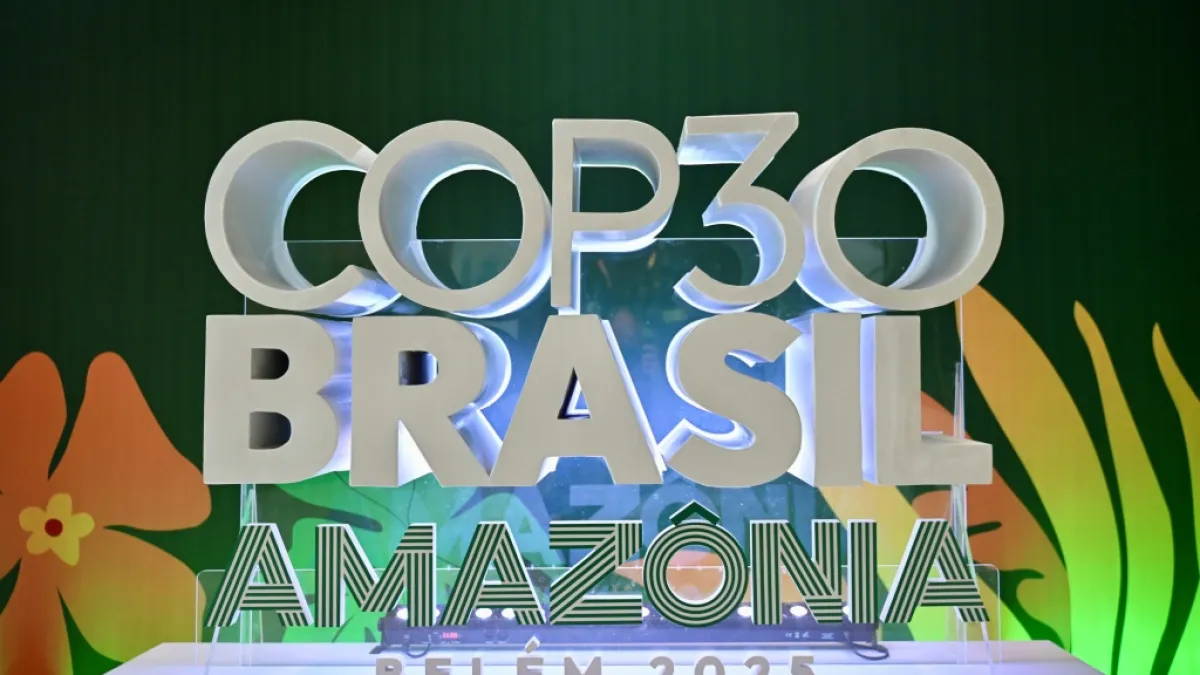
The demands of the Yaku Mama Flotilla for COP30
The caravan demands concrete measures from decision-makers:
- Recognize and guarantee the territorial rights of Indigenous Peoples and local communities as the most effective climate strategy to protect forests, rivers, and biodiversity.
- Ensure direct financing without intermediaries for those who care for life. Although 1.7 billion USD were promised at COP26, 76% of the funds from the Green Climate Fund are still in the hands of international intermediaries.
- Guarantee full participation and decision-making power of Indigenous Peoples in the energy transition to avoid new sacrifice zones. The transition must respect Free, Prior, and Informed Consent.
- Integrate the protection of land defenders into all climate policies.
According to Global Witness, between 2012 and 2024, at least 2,253 land and environmental defenders have been killed or disappeared, of which 40% were indigenous.
“In Ecuador alone, we bid farewell to Efraín Fuérez, a Kichwa leader killed during the national strike,” recalled Leo Cerda.
The Amazon Flotilla Yaku Mama will arrive in Belém in early November, carrying a clear message: climate justice must be built from the territories, with those who have cared for life for millennia.



