



The accelerated thawing of permafrost and the increase in precipitation are facilitating the spread of industrial and military pollutants in the Canadian High Arctic, according to a study by McGill University published in Hydrological Processes.
Experts warn that climate change is creating new underground routes for toxic substances that were previously immobilized in the frozen ground. Now, these pollutants can reach lakes and rivers, increasing risks to ecosystems and freshwater sources.
The case of the BAF-3 station in Nunavut
The team led by Selsey Stribling and supervised by Jeffrey McKenzie analyzed the behavior of groundwater at the BAF-3 radar station, located on Brevoort Island, Nunavut.
This facility, still active as part of the North Warning System, is one of the 21 Canadian Cold War radar sites that remain contaminated. The study shows that global warming and increased rainfall alter underground hydraulic processes, allowing the mobilization of pollutants throughout the year.
The Arctic is warming faster than the rest of the planet
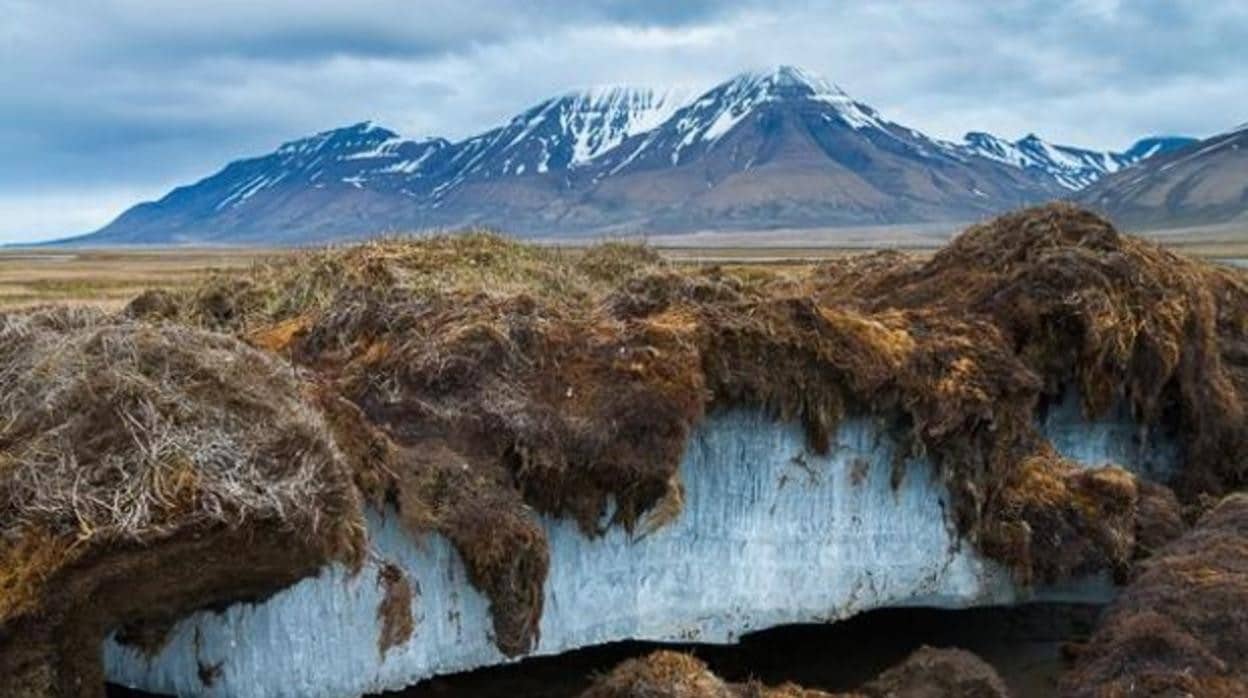
It was traditionally assumed that toxic waste remained immobile thanks to the permafrost, the layer of permanently frozen soil. However, the Canadian Arctic is warming between three and five times faster than the global average, causing the upper layer of permafrost to thaw for longer periods.
This phenomenon creates new underground pathways for the transport of pollutants to streams and water bodies.
“These pollutants were immobile and frozen in the environment for decades. As the active layer thaws and the permafrost degrades, underground routes emerge that allow the mobilization and transport of pollutants to other environments,” explained Stribling.
A challenge of historical magnitude
There are more than 2,500 contaminated sites in the Canadian Arctic, many originating during the Cold War. The case of BAF-3 illustrates the complex combination of strategic relevance, high remediation costs, and logistical difficulties for monitoring and cleaning.
Using the SUTRA 4.0 model, the study simulated groundwater flow and freeze-thaw processes, along with IPCC climate projections up to the year 2100. The results show that increased groundwater mobility accelerates thawing and reinforces the cycle of pollutant dispersion.
Impacts on ecosystems and communities
Concern about the impact on northern ecosystems is growing. Although there is monitoring of drinking water sources, the effects on fauna and food chains remain difficult to predict.
“These contaminated sites were thought to pose no risk because they were frozen. But now the Arctic is warming much faster than the rest of the planet. With such a number of contaminated sites exposed, pollutant mobilization could occur throughout the year,” warned McKenzie.
Remediation and future steps
The remediation of sites like BAF-3 is planned but faces high costs and a lack of precise data on the location and condition of many contaminated hotspots.
The researchers insist that it is essential to:
- Identify contaminated sites.
- Develop effective cleaning methods.
- Maintain an updated record to protect the fragile ecosystems of the High Arctic.
Additionally, they emphasize that future climate models must differentiate the management of lakes and rivers, as both behave differently in the face of pollutant dispersion.
The alert represented by permafrost thawing
The thawing of permafrost in the Canadian Arctic is not only a sign of accelerated climate change but also a significant environmental and health risk. The release of industrial and military pollutants accumulated over decades poses an urgent challenge for science, policy, and international cooperation.
The protection of Arctic ecosystems requires immediate actions for identification, monitoring, and remediation, along with policies that recognize the vulnerability of this key region for global climate balance.



