



Although it cannot be seen, chemical contamination affects 8 out of 10 foods. A new study by the CSIC reveals that more than 85% of the analyzed products contain at least one plasticizing additive.
These are chemical substances that migrate from plastic packaging and generate an almost imperceptible food contamination.
The report highlights particularly concerning levels in young children, due to their fragility and specific diet.
Chemical contamination: what the report says
The analysis included 109 types of foods commonly consumed in Spain (dairy, cereals, meats, legumes, sweets, and baby food), detecting up to 20 different plasticizers.
 Food and contamination.
This included phthalate substitutes. Among the main points concluded by the study, we can highlight:
- In adults, the average daily exposure is 288 ng/kg of body weight, levels that do not exceed EFSA limits.
- In contrast, in children aged 1 to 3, 1155 ng/kg were detected, reaching 2262 ng/kg in newborns, due to their low weight and specific dietary patterns such as children’s snacks.
Which foods are most contaminated
Meat tops the list of foods with the highest load of plasticizers, followed by cereals, legumes, and sweets. Even products packaged in glass showed contamination, presumably due to coatings on metal lids.
According to Julio Fernández Arribas, lead author of the study at IDAEA-CSIC, in real environments “young children are exposed to higher amounts than recommended,” raising concerns about the cumulative effect on their development.
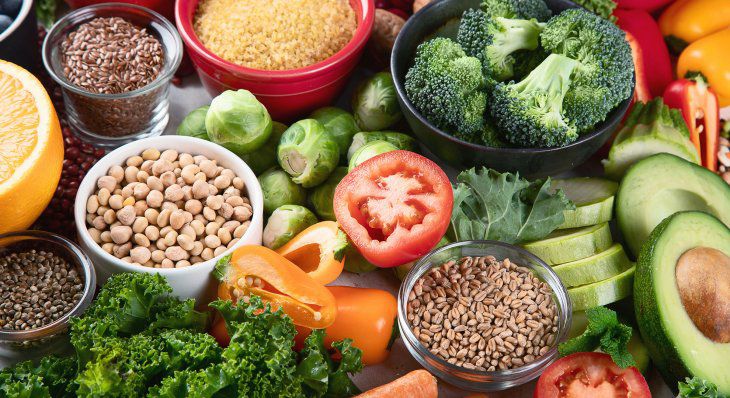 Most affected foods.
In this sense, it is recommended to avoid heating food in plastic or glass containers (oven/microwave), as heat can increase toxin transfer up to 50 times.
On the other hand, choose ceramic or uncoated glass containers for heating or storing food; and prioritize fresh or bulk products to reduce contact with containers containing plasticizers.
The study also warns that the current European regulations only regulate the migration of substances from packaging, but do not establish limits for plasticizers in food.
Ethel Eljarrat, co-author of the report, calls for “more restrictive legislation, especially to protect the most vulnerable groups.”



