



A recent study reveals an alarming connection between climate change and fires in the Iberian Peninsula, in Europe. The area has just experienced a devastating season in this regard.
According to an analysis by the World Weather Attribution (WWA) initiative, the extreme heat, dryness, and wind conditions that fueled the fires were 40 times more likely due to global warming.
The report indicates that the intensity of these climatic conditions was approximately 30% higher compared to the pre-industrial era, before the massive dependence on fossil fuels.
Therefore, this finding underscores how climate change not only increases the likelihood of these events but also their intensity.
A Summer Ravaged by Fires in Spain and Portugal
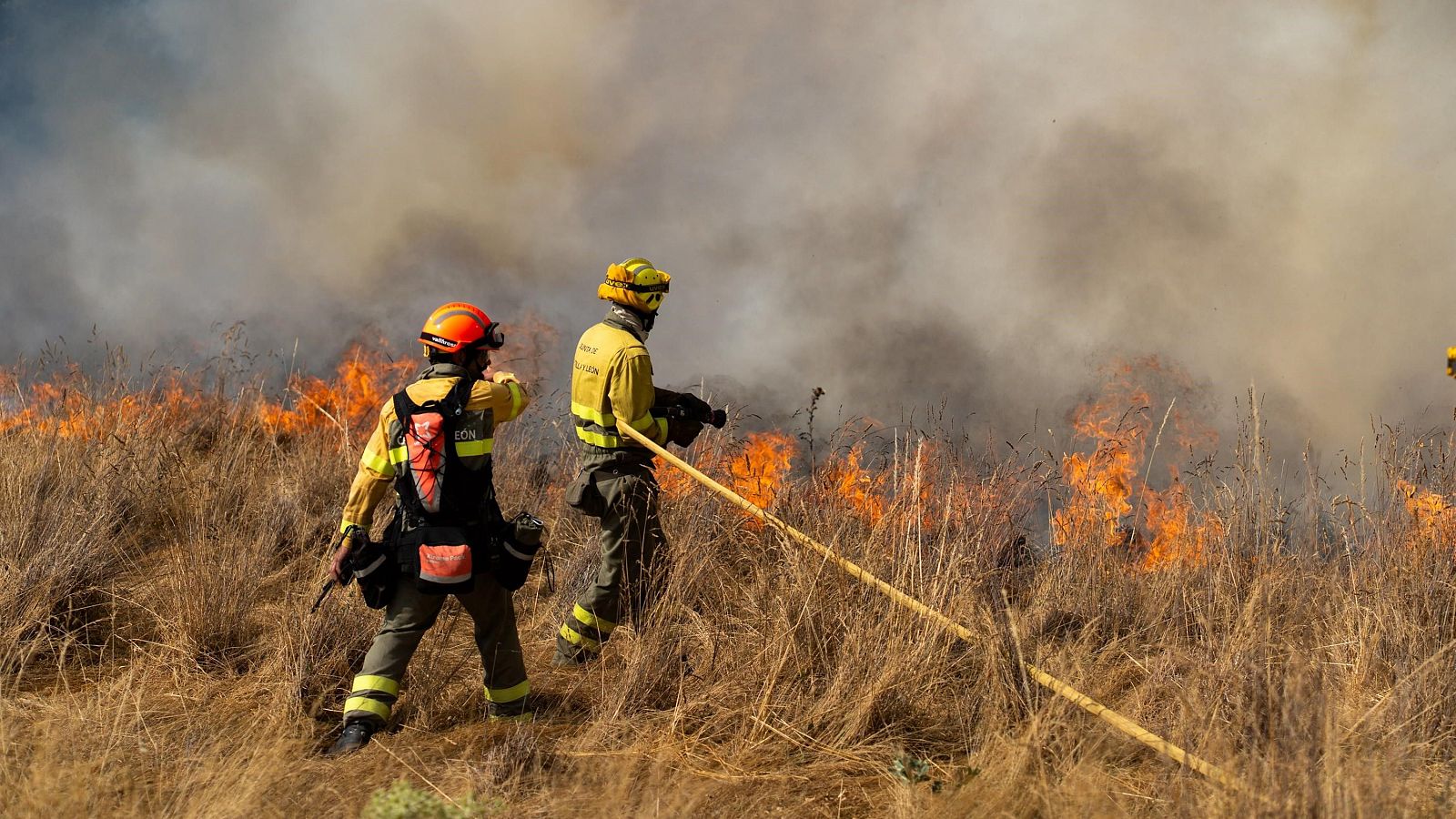
Hundreds of forest fires ravaged Spain and Portugal in July and August. The extreme heat, with temperatures exceeding 40°C, and strong winds facilitated the rapid spread of the flames.
The result was tragic: eight deaths, over 35,000 evacuees, and the burning of more than 640,000 hectares. This represents two-thirds of the total burned area in Europe this year.
Although most fires are now under control and temperatures have dropped, the long-term impact remains a concern. Experts like Clair Barnes from the Imperial College London explained: “warmer, drier, more flammable conditions are becoming more severe with climate change“.
The Role of Climate Change
The WWA analysis focused on the meteorological observations of the most critical days, including the hottest ten-day period recorded in the history of Spain.
Experts concluded that without climate change, a similar event of heat, dryness, and wind would only occur once every 500 years.
This research adds to other evidence demonstrating human influence on extreme weather events. Valérie Masson-Delmotte, a climate scientist, told the AP agency that while fires are part of the Mediterranean climate, climate change “increases the recurrence and severity of conditions favorable for intense fires”.
Furthermore, researchers point out other factors that contributed to the severity of the fires.
Rural “Abandonment,” Another Factor to Consider
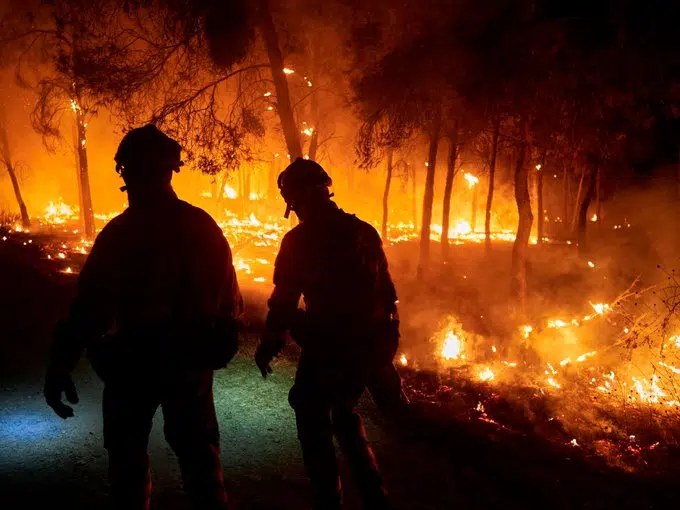
One very important factor is the abandonment of large rural areas by the population, who migrated to cities, leaving vast expanses of farms and forests without proper care. This accumulation of dry vegetation acts as ideal fuel for fire spread.
Spanish Prime Minister Pedro Sánchez has proposed a ten-point plan to improve the country’s preparedness for natural disasters, seeking greater coordination with its neighbors, Portugal and France.



