



A new report from UNICEF warns that nearly half of children under five in Afghanistan live in households with moderate or severe food insecurity. This puts 3.7 million children at risk of malnutrition, a condition that can become acute and potentially life-threatening if not addressed in time.
The study was based on data from more than 37,000 children treated at 481 nutritional monitoring centers across the country’s 34 provinces. The results show that meal reduction, lack of dietary variety, and insufficient portions are early signs of an accelerating crisis.
Warning Signs
The report introduces an innovative tool: the Early Childhood Food Insecurity Experience Scale, applied for the first time at a national level. This methodology allows for the identification of risks before malnutrition becomes visible.
The tool collects recent family experiences:
- If they fear not being able to feed the child.
- If they have stopped offering nutritious foods.
- If they reduced portions or dietary variety.
- If they skipped meals.
- If the child went even a whole day without eating.
By relating these signs to nutritional status, health teams can intervene preventively.
Impact on the Youngest
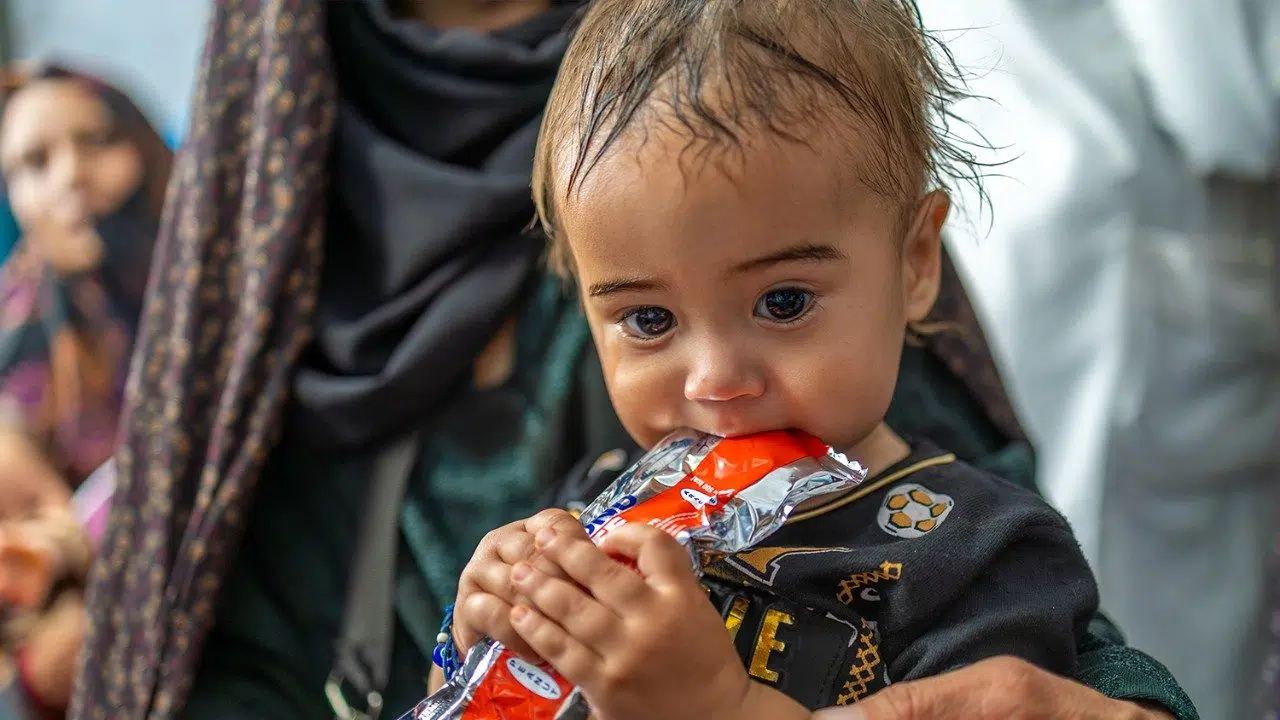
The data shows that children in households with severe food insecurity are up to six times more likely to suffer from wasting, an acute form of malnutrition characterized by a weight too low for height. Children under two years old account for 83% of severe acute malnutrition cases.
Afghanistan is now entering the critical period from July to September, when cases of wasting traditionally increase. However, the situation has already worsened in 26 of the 34 provinces compared to 2025, indicating that the crisis is accelerating.
Aggravating Factors
Food insecurity is compounded by other structural problems:
- Outbreaks of diseases.
- Low vaccination coverage.
- Deficiencies in water, sanitation, and hygiene.
- Increasing lack of humanitarian funds and supplies.
Preventive Strategy
UNICEF argues that treatment saves lives, but it is not enough. It proposes shifting from a reactive response to a preventive strategy, focusing on improving young children’s nutrition before they develop malnutrition.
The recommendations include:
- Expanding the First Foods initiative.
- Prioritizing children between six and 23 months.
- Strengthening nutrition, health, water and sanitation, education, and social protection services in a coordinated manner.
“The window to act is closing,” warns UNICEF. The signs appear earlier, and the response must also come sooner.
The food crisis in Afghanistan is an urgent humanitarian challenge. With millions of children at risk, prevention becomes key to preventing food insecurity from turning into acute malnutrition.
The new nutritional monitoring tool offers an opportunity to act earlier, but it requires funding, coordination, and political will to save lives.



