



Under the surface of the forests, there is a hidden network that is vital, as well as invisible to the human eye, connecting trees and fungi.
The roots of these plants connect with fungi in a symbiotic relationship known as mycorrhiza.
This was discovered by a study from the University of Zurich, which found that trees forming alliances with two types of fungi can better withstand climate change and expand into new areas.
What are mycorrhizae and how does the network of trees and fungi work?
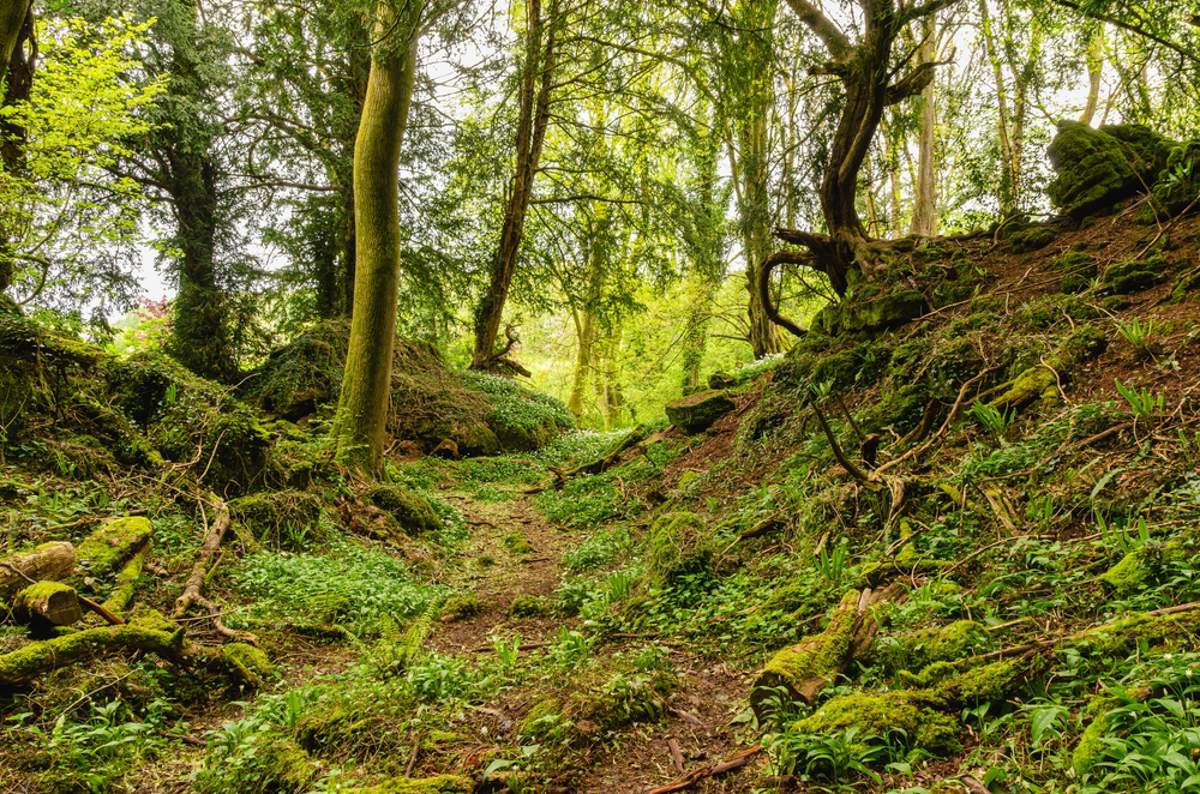 The hidden connection.
Mycorrhizae are associations between plant roots and certain soil fungi. Through their “hyphae” (filamentous structures), fungi vastly expand the root absorption surface, facilitating the uptake of phosphorus, nitrogen, and other elements.
In exchange, the tree provides sugars to the fungi generated through photosynthesis.
This interaction allows plants to share water, minerals, and essential nutrients, strengthening the forest ecosystem and enhancing its resilience to climate change.
However, this type of cooperation is not exclusive: many trees connect with each other through fungal networks, creating what some scientists call the “Internet of the forest”.
Through these connections, trees can send warning signals, share resources, and even support young or sick individuals.
An essential balance to maintain biodiversity
This underground system, as scientists have confirmed, is essential for biodiversity and ecological balance.
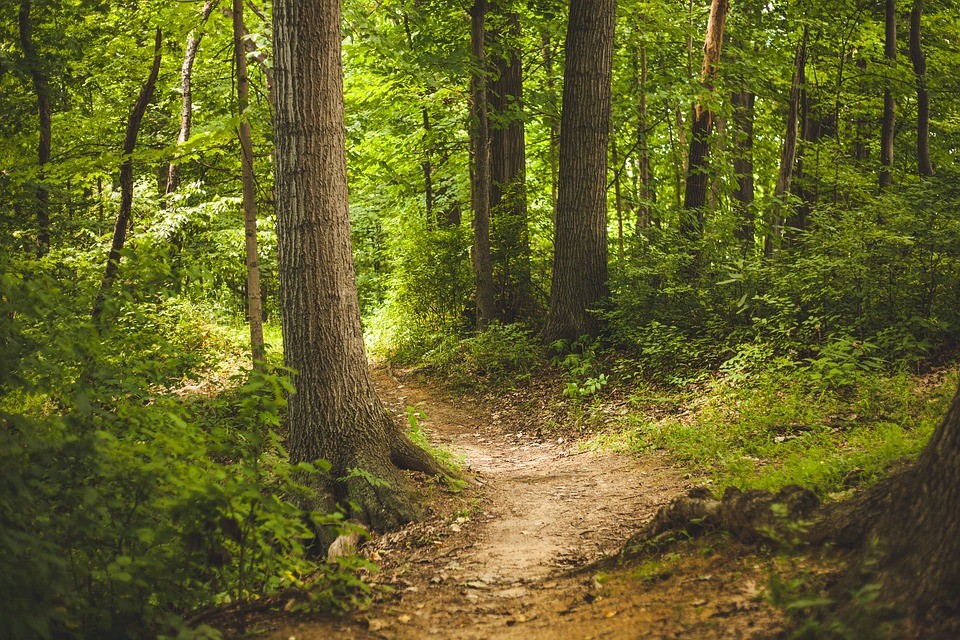 The secret of the forests.
Thanks to mycorrhizae, forests can better withstand droughts, diseases, or fires, and can adapt to changing environmental conditions.
Additionally, they help sequester carbon in the soil, playing an active role in mitigating climate change.
In regions like the Argentine Patagonia or the north of the province of Misiones, where forest ecosystems still retain a certain degree of naturalness, mycorrhizal networks play a crucial role.
Deforestation, pesticide use, and degraded soils threaten this delicate balance.
A tool against climate change
As climate change transforms lush forests into arid and eroded regions, these trees with dual alliances emerge as key candidates for reforestation programs.
According to researchers, this characteristic could guide the selection of tree species for sustainable projects, especially in regions threatened by desertification.



