



Traditionally, bears have been seen as great opportunistic predators, capable of consuming everything from fish and mammals to insects and roots. However, an international study published in Nature Communications presents a different scenario: these animals could become increasingly herbivorous, modifying their ecological role based on climate and food availability.
The research was led by the Senckenberg Biodiversity and Climate Research Center, the Polish Academy of Sciences, and the Doñana Biological Station–CSIC, and analyzed current and fossil data from seven bear species.
Flexible Omnivores
Bears are one of the clearest examples of omnivores in nature. Their diet includes:
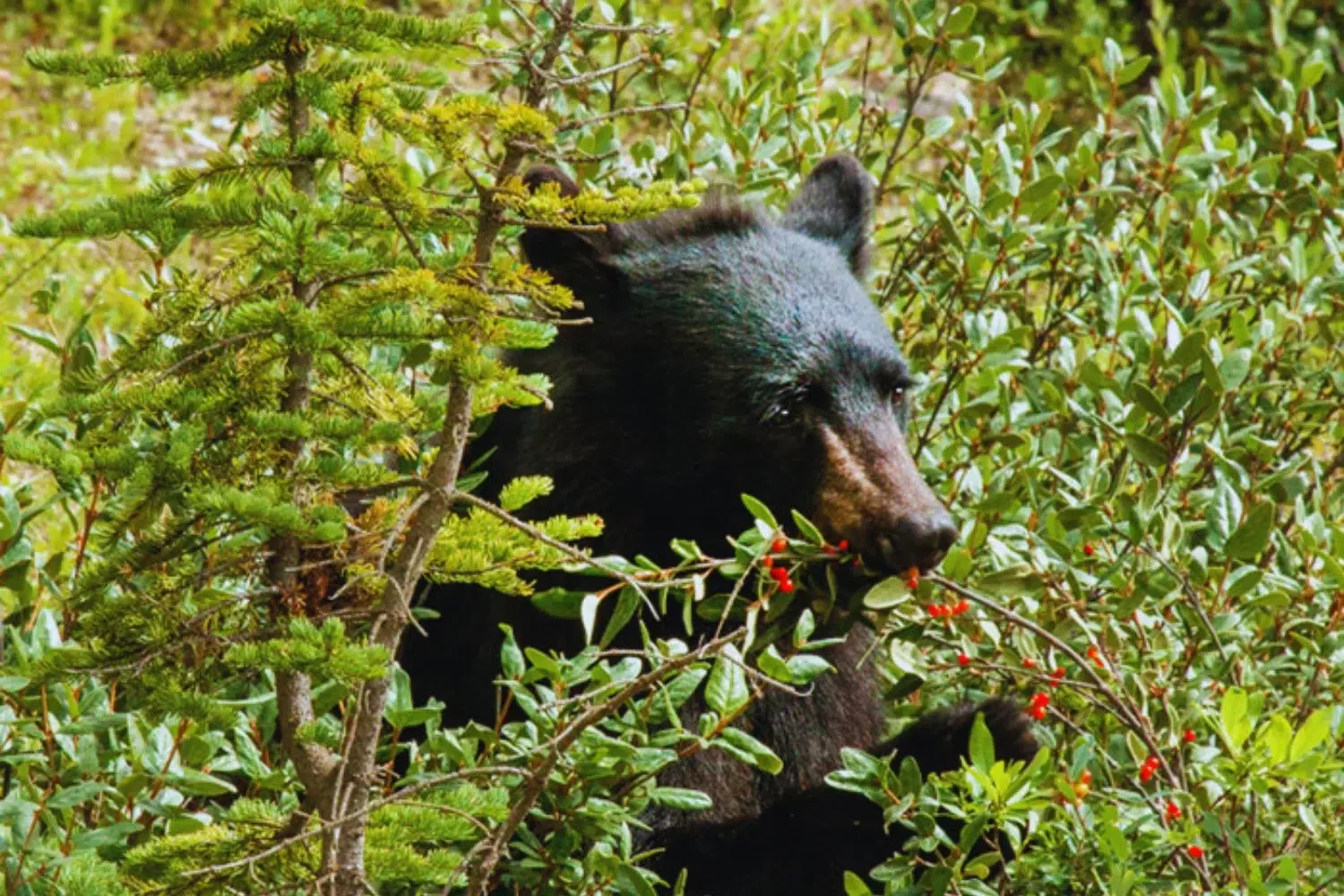
- Plants: berries, roots, nuts, grass.
- Animals: insects, fish, and mammals.
This variety has allowed them to occupy very diverse habitats, from the Arctic tundra to temperate forests and mountains.
The relevant aspect of the study is that the composition of the diet changes according to the species, region, and season of the year.
- In productive environments, with long plant growth seasons, bears tend to consume more plant-based foods.
- In areas with scarce resources and short seasons, their diet becomes more carnivorous.
Fossil and Current Evidence
The scientific team used isotopic analysis of bones from the Late Pleistocene and Holocene to demonstrate how some populations, such as the European brown bear, progressively incorporated more plant resources after the last glaciation, about 12,000 years ago.
This finding shows that bears not only adapt in the short term but can modify their feeding strategy over thousands of years in response to profound environmental changes.
Trophic Rewiring
The researchers defined this phenomenon as trophic rewiring, a process by which large omnivores can move from high levels of the trophic web to lower levels.
If climate change continues unabated, the lengthening of plant growth seasons and greater resource availability could favor more herbivorous diets in some bear populations.
Ecological Implications
The change in bears’ diet affects not only the species but entire trophic networks:
- Predation: less pressure on prey populations.
- Seed dispersal: greater role in plant regeneration.
- Nutrient cycle: influence on soil fertility.
- Energy flows: impact on both terrestrial and aquatic ecosystems.
By shifting from a role closer to predators to a more herbivorous one, bears could alter the structure and stability of ecosystems.
The study reveals that bears are much more than opportunistic predators: they are ecological engineers capable of adapting to profound environmental changes. Their transition towards more herbivorous diets could redefine their role in ecosystems and offer new insights into how climate change transforms trophic relationships in nature.



