



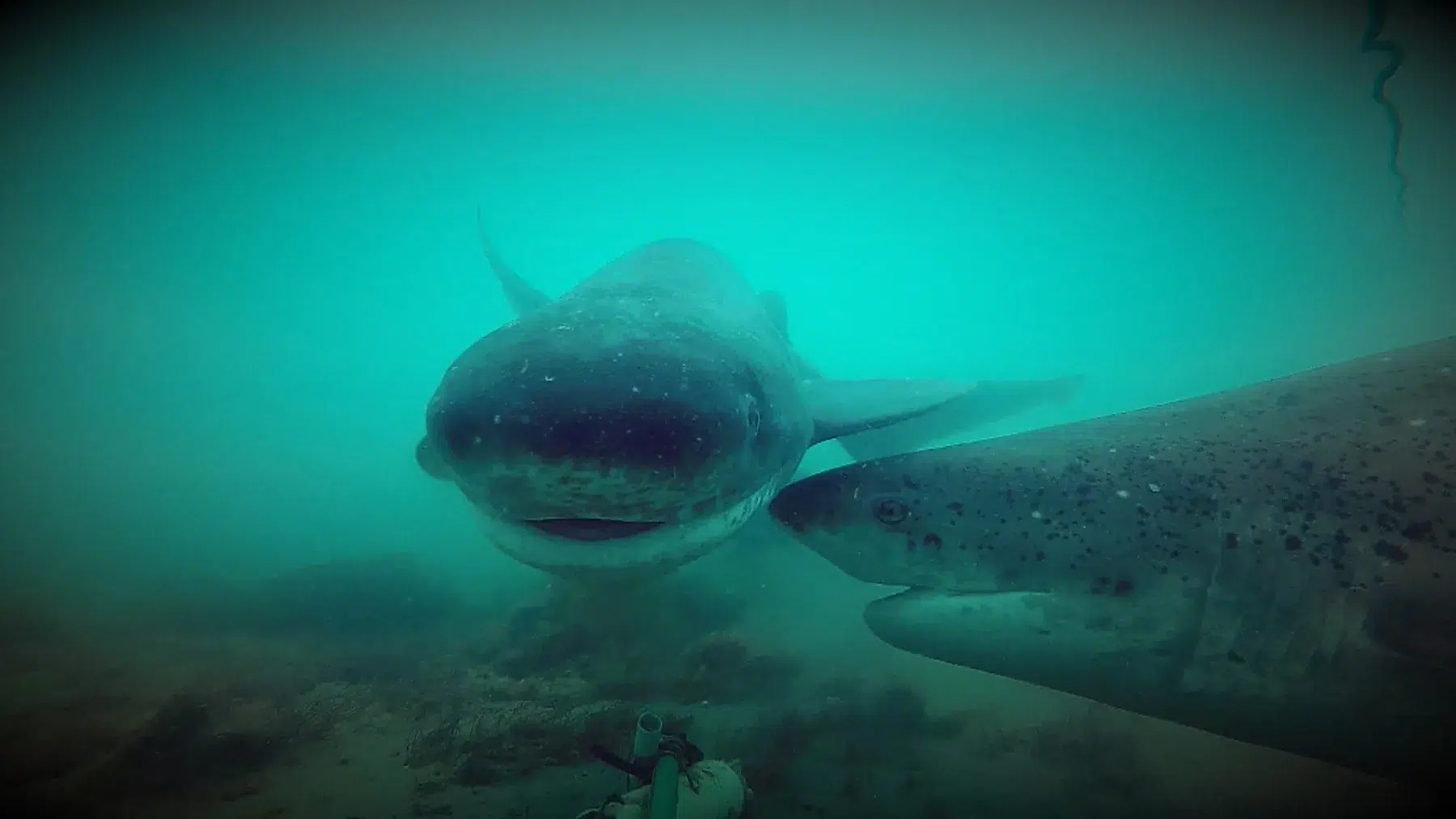
On the Atlantic coast of Norpatagonia, and particularly along the coast of Río Negro, sharks play an essential role in the balance of the marine ecosystem. However, in recent decades they have faced increasing pressures mainly linked to fishing activities.
In response to this scenario, a working model has been consolidated that combines scientific knowledge with the experience of sport and commercial fishermen, generating key information and promoting more responsible practices.
Three Pillars of the Strategy
The comprehensive approach is based on:
- Research: monitoring and data collection on species.
- Education: awareness-raising sessions for fishermen and communities.
- Current regulations: mandatory release of specimens caught in sport fishing.
Citizen Science in Action
Biologist Lucas Albornoz, a member of the Sharks and Rays subprogram in Argentina, highlighted the citizen science project Conserving Sharks in Argentina, which has been in development for over 15 years.
- Sport fishermen collaborate by placing tags on the captured specimens.
- Approximately 4,000 sharks have been tagged across the country.
- Monitoring revealed that between 70 and 80% of the captured specimens are females, which increases the impact on populations.
This work has allowed us to understand the movements of sharks, confirming that many species migrate to the waters of Uruguay, driving the need for regional conservation policies.
Regulations and Cultural Change
The sport fishing law establishes the mandatory release of sharks, without prohibiting the activity. This allows a deeply rooted cultural practice to be sustained in a sustainable manner.
Albornoz highlighted the change in awareness among fishermen: “Today many value the experience, the photo, or the video more than taking the shark as a trophy. It is a process that takes time, but there is increasing commitment.”
Ecological Importance of Sharks
Sharks on the coast of Río Negro are apex predators, essential for:
- Ecological balance: they regulate populations of intermediate species, preventing overpopulation and protecting herbivores.
- Conservation: local laws protect species such as the sand tiger, dusky, blue, catshark, school shark, and hammerhead.
- Scientific value: the San Matías Gulf has recorded more than 100 dusky sharks, allowing studies on behavior and abundance.
- Biodiversity: their presence indicates a prosperous and healthy ocean.
The alliance between scientists and fishermen in Río Negro demonstrates that shark conservation is possible through collaboration, education, and appropriate regulations. These large fish, with slow growth and late reproduction, require urgent protection to ensure their permanence as natural regulators of the marine ecosystem.



