



A natural phenomenon as striking as it is uncommon was recently captured in the waters of the Southern Ocean. A black iceberg emerged among the white icebergs of Antarctica.
The image, which quickly went viral, was shared by marine photographer Krista Rossow, and soon sparked curiosity and amazement on social media and within the international scientific community.
What is a black iceberg and why is it unusual?
A black iceberg is an ice structure that, unlike traditional icebergs, lacks air bubbles that normally reflect light. This is what gives them a dark and unusual tone.
On the other hand, it is also explained because the ice was compressed for thousands of years in depths where it did not mix with recent snow or air.
They can also have that color if they contain volcanic sediments, dust, or organic material.
Although sporadic records exist, this type of formations are extremely rare and difficult to detect, even by satellites, because they absorb more light than common icebergs.
The questions it raised in the scientific community
The sighting was made during a scientific expedition near the Antarctic Circle. “It appeared suddenly, as if it emerged from the depths,” Rossow pointed out.
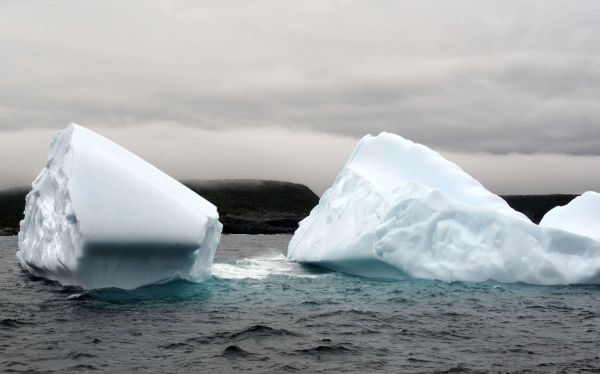
The image shows a huge dark block, almost without visible texture, floating among white ice masses, creating a strong visual contrast and a sense of mystery.
For scientists, this type of phenomenon provides valuable information about the dynamics of Antarctic ice, climate change, and the geological processes of the region.
How does climate change influence iceberg formation
In a context of accelerated climate change and glacier mass loss, the behavior of icebergs and their formation patterns are changing.
The appearance of a black iceberg could be related to deep processes of melting, detachment, and compression of Antarctic ice. These are becoming more frequent due to global temperature rise.
Although there is still no definitive explanation for this particular case, its appearance reinforces the need to continue researching the impacts of global warming in the poles.



