



A report from the Potsdam Institute for Climate Impact Research (PIK), published in the journal Nature Food, warns that the transformation of the global food system towards a sustainable model could be decisive in limiting the increase in the planet’s temperature.
Furthermore, it would have positive effects on human health, social justice, the economy, and environmental protection.
The weight of the food system in emissions
Currently, food production and consumption are responsible for one-third of global greenhouse gas emissions. The study analyzed 23 levers of change and concluded that if the food system becomes more sustainable, the chances of meeting the 1.5 °C increase limit by 2050 reach 38%, and the chances of not exceeding 2 °C reach 91%.
The researchers emphasize that the impact is even greater if this transformation is integrated with other measures: lower population growth, accelerated abandonment of fossil fuels, promotion of bioplastics, and increased use of wood in construction.
Benefits for health and society
The transition to a sustainable food system would reduce diet-related risks, such as diabetes and cardiovascular diseases, as well as decrease extreme poverty. According to the lead author of the report, Bejamin Bodirsky, this change would also increase life expectancy, reduce nitrogen pollution, and contribute to social equity.
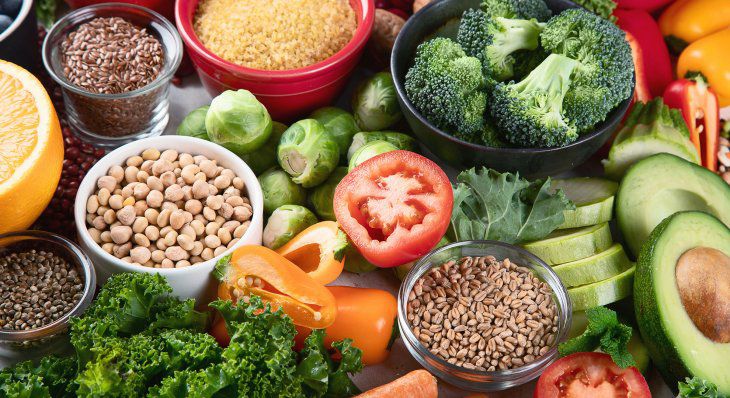
The proposal is supported by the so-called “planetary health diet”, which recommends less sugar, meat, and dairy, and more legumes, fruits, vegetables, nuts, and whole grains.
Levers of transformation
The report also analyzed measures related to sustainable agriculture, environmental conservation, reduction of trade barriers, and the promotion of decent wages in low-income countries.
In wealthier economies, it is suggested to move towards less capital-intensive production models, favoring more resilient and equitable practices.
Key benefits of a sustainable system
- Health and nutrition: varied and safe diets that reduce chronic diseases and malnutrition.
- Environmental protection: less pressure on water and soil, reduction of GHG emissions, and defense of biodiversity.
- Climate action: mitigation of the causes and impacts of climate change.
- Social and economic equity: support for local producers, fair trade, and decent jobs.
- Resilience: stronger and more adaptable systems in the face of crises.
- Less waste: significant reduction in food loss.
The contrast with current systems
Unsustainable food models are responsible for a large part of GHG emissions, intensive use of fresh water, and health problems such as obesity, malnutrition, and non-communicable diseases. Additionally, they generate a huge loss and waste of food.
The scientific evidence is clear: a sustainable food system is essential for a healthier and fairer future. Integrating the production, distribution, and consumption of food in a way that benefits both people and the planet will allow us to reduce emissions, protect biodiversity, and ensure food security without leaving anyone behind.



