



Far from being isolated territories, the Earth’s poles have a direct impact on global climate, oceans, and daily life. With the aim of better understanding this interconnection, Turkey led the Fifth National Arctic Scientific Research Expedition (TASE-V).
The TASE-V covered almost 5,000 kilometers and brought together 12 Turkish researchers along with experts from Argentina, Ecuador, and Bulgaria.
Climate change and glacier melting: scientific priorities in the Arctic
Ice loss affects coastal habitats and demands new prediction models.
According to Ambassador Süleyman Ömür Budak, the expedition focused on 19 scientific projects aimed at studying glacier melting and its effects on Arctic fjords, particularly vulnerable ecosystems.
Water and sediment samples were collected. The importance of sharing data with the international scientific community to improve climate prediction models was highlighted.
Youth participation and citizen science
Turkish high school students join the expedition with sustainability projects.
One of the most inspiring aspects was the inclusion of three high school students, finalists of a contest organized by the Scientific and Technological Research Council of Turkey (TÜBİTAK).
The young people traveled to the North Pole to test projects on air, sustainability, and social sciences, bringing polar research closer to society and fostering scientific interest in new generations.
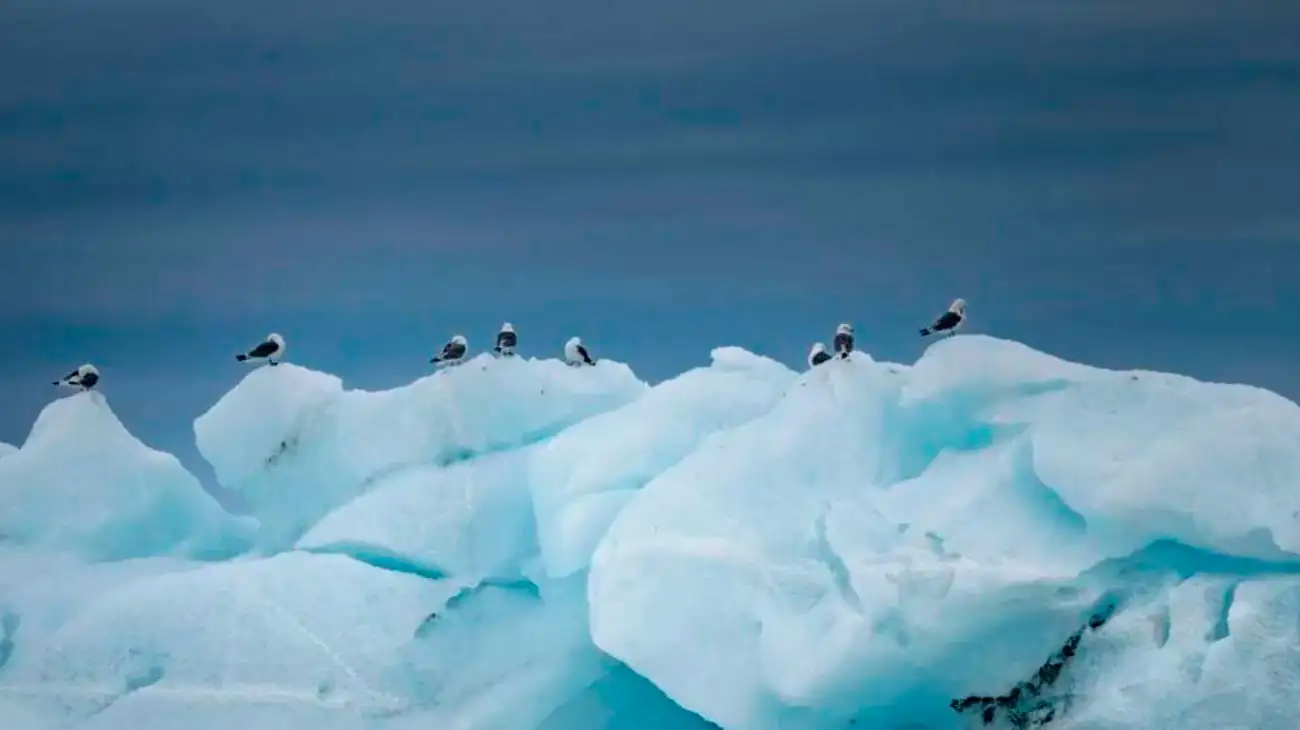 Turkey led an expedition in the Arctic[/caption>
Cooperation between Turkey and Latin America: science without borders
Argentina, Ecuador, and Bulgaria bring unique perspectives to polar research.
Latin American presence was key. Argentine researcher Lucas Martínez Álvarez, from the Argentine Antarctic Institute, studied microbial adaptation in extreme environments, providing a comparative view between the Arctic and Antarctica.
His participation took place within the framework of a Memorandum of Understanding between Argentina and Turkey, reinforcing scientific and logistical collaboration in polar regions.
From Ecuador, researcher Sara Cifuentes analyzed marine microbiota and resistance genomes, comparing isolated coastal areas with those more exposed to human activity.
On the other hand, Bulgarian scientist Svetoslav Dimov studied energy flow in marine ecosystems, highlighting the role of microorganisms in environmental dynamics.
Turkish polar science strategy: planning, training, and environmental commitment
A state policy projecting global responsibility and scientific leadership.
Turkey coordinates its polar activities through the TÜBİTAK MAM Polar Research Institute, framing its actions in the 12th Development Plan (2024–2028) and the Turkish Polar Science Strategy (2023–2035). This roadmap prioritizes:
- Training of specialists
- International cooperation
- Systematic organization of expeditions
- Education and scientific outreach


