



Climate change, resource scarcity, and pollution are forcing us to rethink how cities are built. In this new paradigm, the linear model of manufacturing, using, and discarding is giving way to sustainable strategies that reduce waste and revalue materials.
One of the sectors with the highest waste generation is construction. Globally, it produces over 2,000 million tons each year, an alarming figure revealing the urgency for new solutions. Reuse, controlled dismantling, and material transformation emerge as key pillars.
Innovative projects are already demonstrating this shift. From furniture made from construction waste to fully demountable buildings like the Red Bull pit box in Formula 1, these proposals point towards a direction: designing with the entire building cycle in mind, from assembly to eventual reconversion.
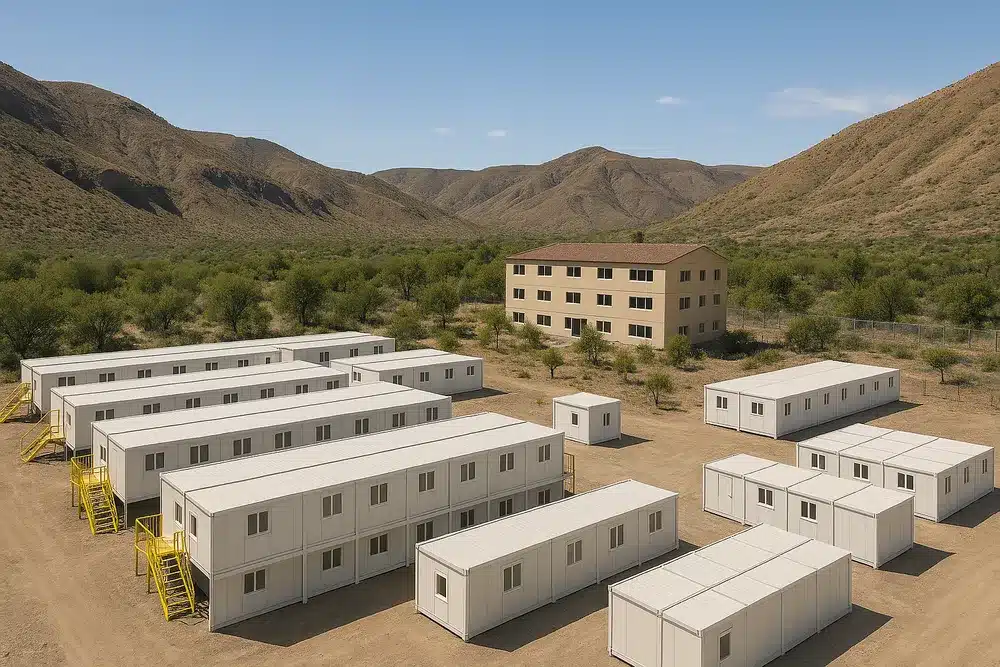 Modular construction, key to the urban future. Photo: Los Andes.
From Waste to Valuable Materials
The concept of upcycling gains prominence in this transition. In contrast to traditional recycling, which often degrades material quality, this practice enhances their value. Thus, wood scraps, broken bricks, or plastic bottles can be turned into structural blocks, lighting fixtures, or innovative coatings.
Digital tools also facilitate the process. Digital “material passports” allow precise knowledge of a building’s components, their location, and reuse potential. This enables planned dismantling and waste reduction.
Modular design, reversible joints, and standardization are other pillars that make this type of sustainable architecture possible. Moreover, many of these solutions draw inspiration from ancestral practices of resource utilization, such as the annual use of wooden fences in the San Fermín bull runs in Spain.
Global Rise of Sustainable Construction
Ecological architecture is gaining ground on all continents. The need to reduce carbon footprint and meet international climate commitments drives public policies and private investments in constructions that consume less energy, utilize local resources, and have a lower environmental impact.
Cities like Amsterdam, Oslo, or Vancouver already demand sustainability standards for new buildings. The trend is also observed in Latin America, where public and private projects opt for energy efficiency, recyclable materials, and water capture systems.
The growth of sustainable construction benefits not only the environment but also the economy and people’s health. Buildings with better ventilation, natural lighting, and insulation reduce operational costs, enhance well-being, and strengthen resilience against extreme weather events.
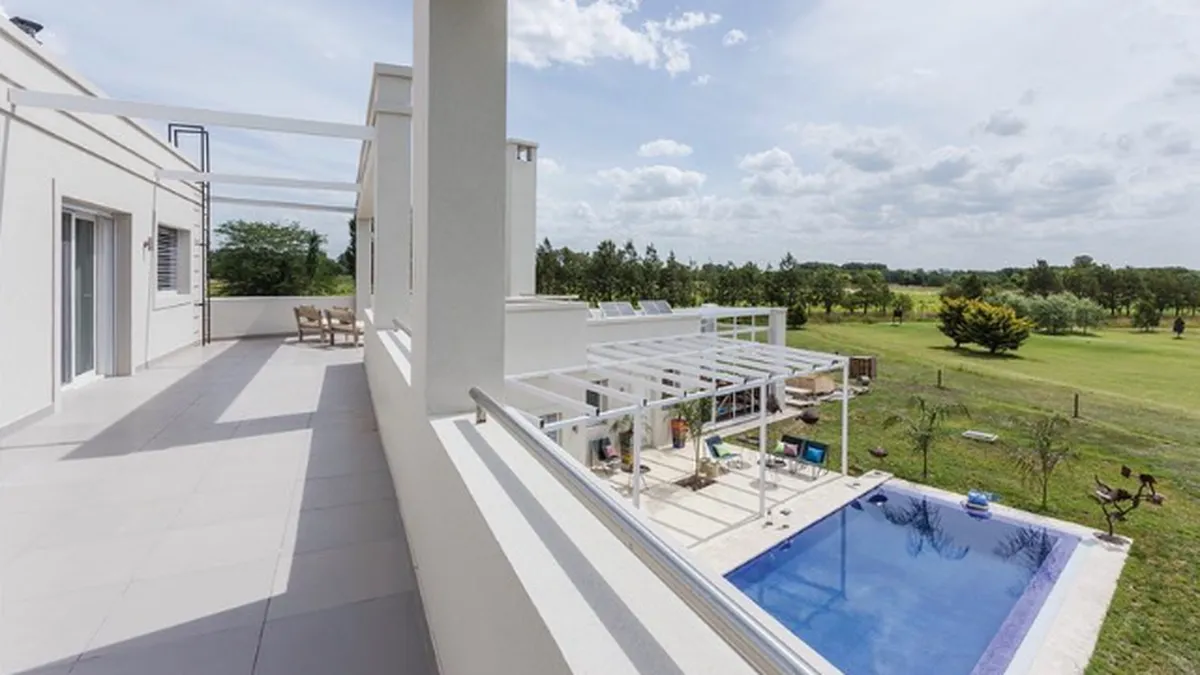 Sustainable construction.
The Challenge and Opportunity
Changing the way we build implies a cultural transformation. Architects, engineers, governments, and citizens must commit to a comprehensive approach, where the materials’ life cycle and minimizing environmental impact are always present.
Reuse is no longer a marginal option but a central strategy to achieve greener cities. Just as we recycle at home, the construction sector is beginning to adopt that logic, showing that it is possible to build without depleting the planet’s resources.
From dismantlable structures to bricks made from waste, innovation in this field is advancing steadily. The key will be to scale up these initiatives, ensuring that the cities of tomorrow are built with an awareness of the present.


