



The global industry produces around **2 billion tires per year**, and a similar amount ends up accumulated in **landfills, rivers, or garbage dumps**. With only **15% recycled**, this waste poses one of the biggest challenges [for the **circular economy**](https://noticiasambientales.com/residuos/de-residuo-a-recurso-como-el-carton-lidera-la-transicion-hacia-una-economia-circular/).
Faced with this scenario, innovative **technologies** are emerging that transform rubber into **useful materials for construction**, especially in sustainable **waterproofing solutions**.
## Preventive Waterproofing: Key to Intense Rains and Structural Humidity
Above-average rainfall demands preemptive measures to **protect homes and buildings**.
In regions like the **Argentine Littoral and the AMBA**, above-average rainfall is expected in the coming months. In this scenario, **waterproofing roofs and walls** becomes an essential strategy to prevent **leaks, drips, ceiling and wall deterioration, and structural devaluation**.
“Detecting signs like stains, cracks, or persistent humidity allows for timely action. Taking advantage of dry days for maintenance is a smart decision,” explains **Ariel Maya**, CEO of **Merclín SA**, manufacturer of **Liquitech RubberGum**.
## Accessible and Sustainable Solutions for Roofs and Exposed Surfaces
The market offers **easy-to-apply products** that do not require wet work or specialized tools.
Among the most sought-after materials in **hardware and paint stores** are:
– Liquid waterproofing membranes
– Acrylic and silicone sealants
– Anti-damp paints
– Rubber-based recycled waterproofing agents
This last segment already represents **10% of the roof waterproofing market**, with advantages such as:
– High **adherence** to various surfaces (concrete, metal, wood, membranes)
– Formation of a continuous, flexible, and resistant layer
– **Fast drying** (between 4 and 24 hours)
– **Walkability and anti-slip effect**
– Excellent performance against **water, sun, and hail**
## Recycled Rubber: an Effective Response to Multiple Challenges
Transforming tires into waterproofing agents [**reduces environmental, energy, and health impacts**](https://noticiasambientales.com/medio-ambiente/mexico-convierte-el-sargazo-de-sus-playas-en-recurso-pesquero-para-mitigar-su-impacto-ambiental-y-turistico/).
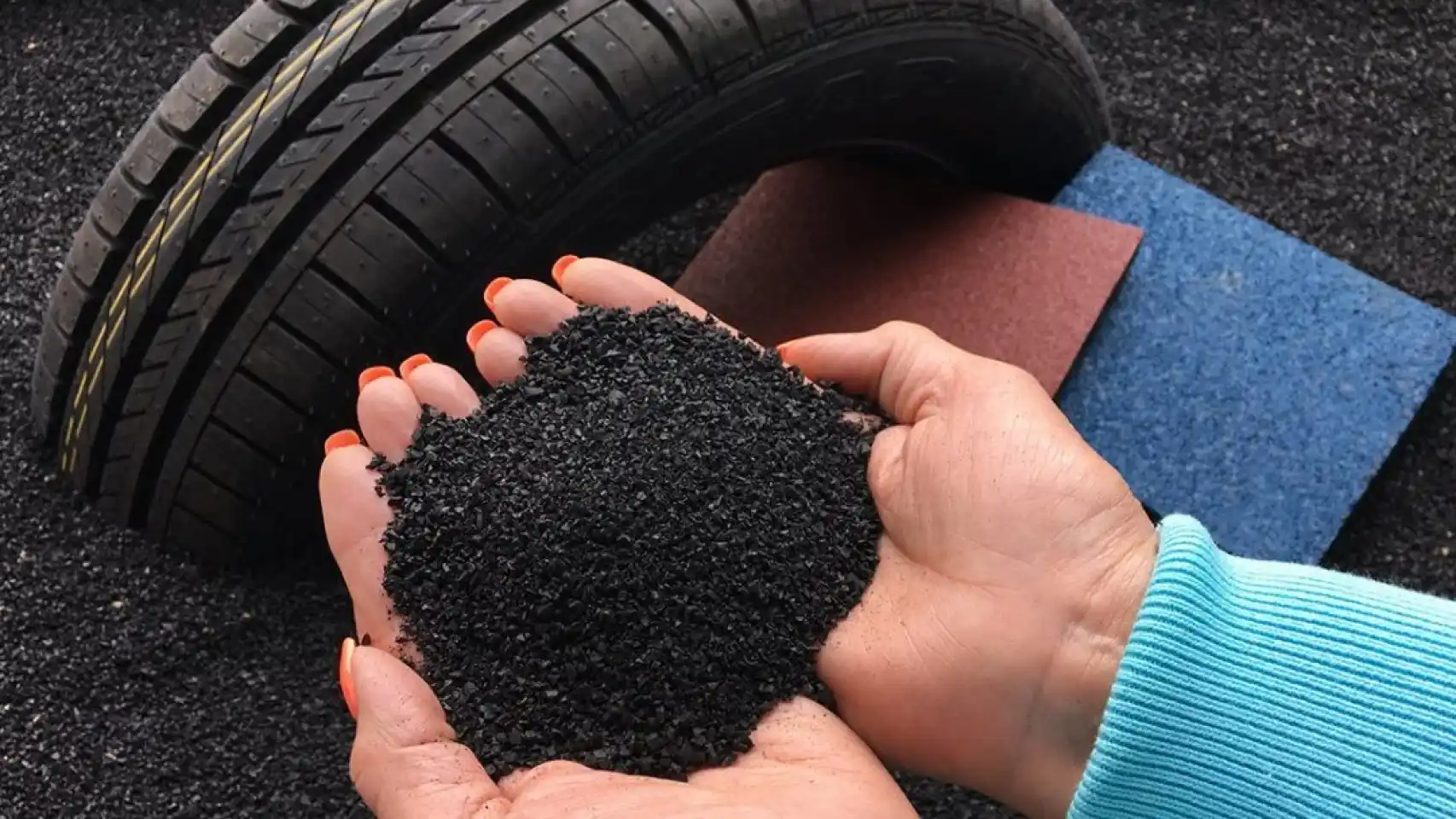
The process includes collecting used tires, **micro-shredding and homogenizing rubber**, in addition to integrating with acrylic resins and polyurethanes.
For every **100 m² waterproofed**, between **150 to 200 kg of tires** are processed, preventing them from polluting the environment. The benefits are manifold:
– Reduced use of petroleum derivatives
– Reduction of polluting emissions
– Elimination of mosquito breeding grounds
– Improved thermal and acoustic insulation
– Greater indoor comfort (up to 20% lower temperature in light tones)
– High flexibility against structural movements
## Prepare for the Rain: an Investment that Preserves and Protects
**Waterproofing during dry periods** allows anticipating damages and preserving property value.
Planning should not depend on the calendar. Acting in advance prevents:
– Costly repairs
– Loss of heritage
– Health and structural risks
**Recycled rubber-based solutions** combine **technical efficiency**, **positive environmental impact**, and **accessibility**, aligning with the principles of **sustainable construction** and the **circular economy**.



