



In a scenario where home security and the responsible use of energy have gained increasing relevance, the company MetroGAS has launched a new call for its educational program called “Hogar Cálido Hogar”, which is focused on primary schools.
This academic initiative is specifically designed for students in 5th, 6th, and 7th grade. The main purpose is to introduce specific content about the safe use of natural gas in the school environment, aiming for students to adopt preventive habits that can later be replicated in their family settings.
Hernán Chiesa, who serves as the Manager of Public Affairs and Sustainability at MetroGAS, pointed out that through close collaboration with educational establishments, the project strengthens the bond with society and promotes safer practices in the domestic sphere.
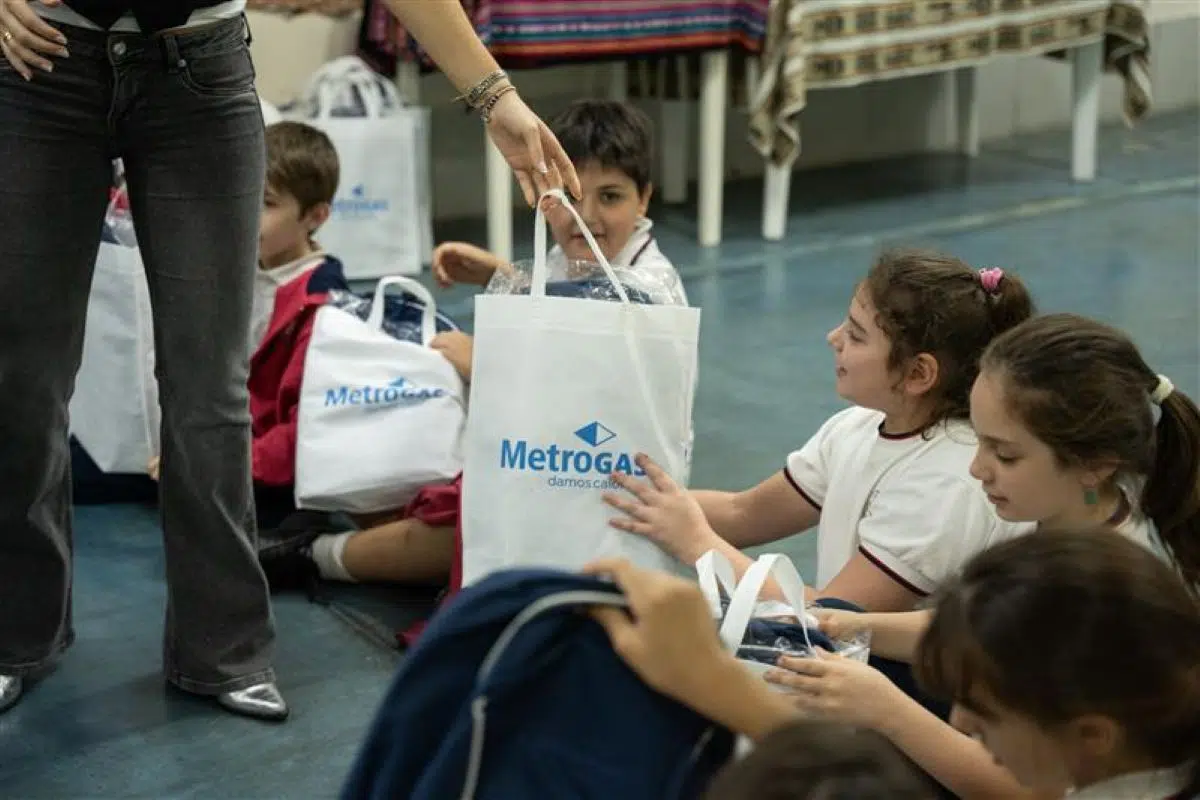
Through a participatory dynamic, the pedagogical proposal delves into essential topics such as accident prevention, the need to maintain safe installations, and health protection against critical dangers like carbon monoxide.
The learning scheme is organized around three fundamental pillars: the responsible use of gas as a non-renewable resource, the fundamental importance of hiring only certified gas technicians, and the ability to detect risk situations within the home.
In this way, the offer not only seeks to educate young people but also to enhance the connection between the school and the community.

Teaching the safe and responsible use of natural gas in classrooms
In its most recent edition, this initiative managed to impact more than 1,600 students and 48 teachers from 21 educational institutions, reaffirming itself as a policy of great reach in the company’s operating areas.
To conclude the cycle, the schools participating in the program carry out a group project. This final work may consist of creating an audiovisual content, building a model, or developing a graphic design, in order to capture the technical and preventive knowledge assimilated during the classes.
Chiesa also highlighted that the knowledge gained at school generates a multiplier effect, as it is transferred to families and manages to establish safer behaviors in daily life.
The invitation to participate remains open for both public and private institutions in the City of Buenos Aires and the various districts in the southern Buenos Aires suburbs.
It is worth noting that participation is free and the registered centers receive didactic materials along with advice for the teaching staff.
School authorities wishing to join can register through the following link: Hogar Cálido Hogar – Edition 2026.



