



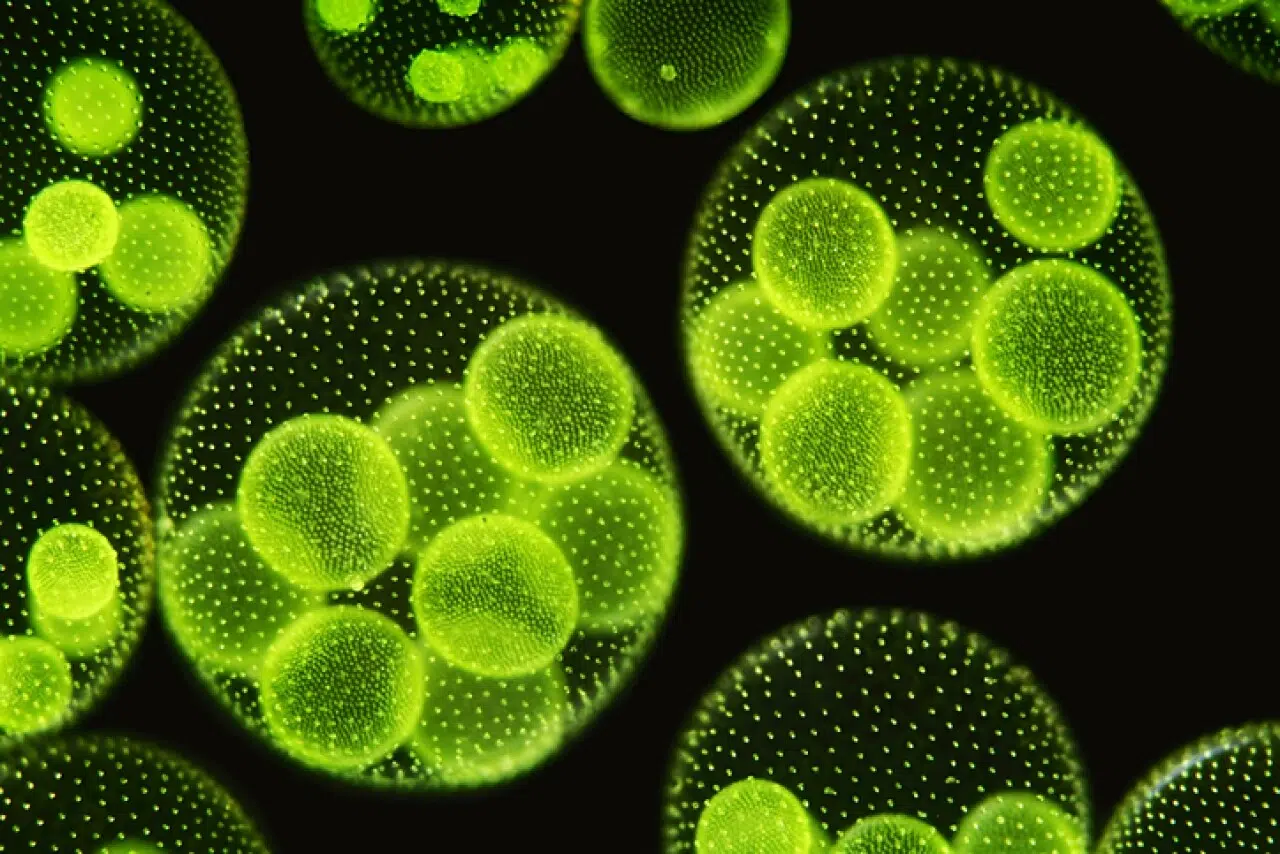
Las microalgae have become one of the most promising raw materials to drive a sustainable future.
The Technological Institute of Plastics (Aimplas), a member of the Valencian network REDIT in Spain, is participating in the European project MULTIPLY, funded by Horizon Europe, which seeks to develop 10 innovative products applicable to sectors such as food, cosmetics, lubricants, biomaterials, and packaging.
Key species for innovation
The consortium works with five species of microalgae:
- Diatoms.
- Arthrospira (Spirulina).
- Tetraselmis.
- Nannochloropsis.
- Chromochloris zofingiensis.
These species allow for obtaining natural colorants, high nutritional value proteins, oils for cosmetics, biological esters for lubricants, and compostable materials for packaging.
Concrete applications
- Human and animal food: protein-rich ingredients and natural colorants.
- Cosmetics: oils and esters for personal care, with antioxidant properties.
- Lubricants: biologically sourced esters for high-performance applications.
- Biomaterials and packaging: compostable films, paper coatings, and packaging solutions based on algae oils and starch.
Aimplas Innovations
The Valencian technological center develops sustainable solutions from polymers extracted from microalgae:
- Recyclable barrier coatings for paper, resistant to water and grease.
- Active cosmetic packaging, integrating functional compounds from microalgae to improve product stability and reduce preservatives.
- Algae-derived hydrogels to enhance crop performance.
- Biodegradable coatings for fertilizers, optimizing nutrient release and reducing environmental impact.
- The innovative “solid water”, biodegradable and composed of over 90% water, capable of retaining and gradually releasing it into the soil, reducing irrigation frequency and preventing water stress in crops.
Objectives of the MULTIPLY project
- Replace ingredients derived from fossil sources with biological alternatives.
- Reduce the environmental footprint of everyday products.
- Promote the sustainable and profitable cultivation of microalgae in Europe.
- Scale solutions to accelerate their arrival in the mass market.
Next steps
The consortium will launch:
- Pilot activities for nutrient recovery.
- New monitoring tools.
- Delivery of algae extracts and oils for product development.
- Studies of sustainability and market acceptance.
Algae are emerging as the new green gold, capable of transforming sectors as diverse as food, cosmetics, agriculture, and packaging.
The MULTIPLY project demonstrates that biotechnology applied to microalgae not only opens up economic opportunities but also drives a circular and sustainable future for Europe and the world.



