



A neighborhood initiative promotes the Arroyo Medrano Park and proposes transforming 25 hectares of the coastal area into a recreational public space, reopening the controversy over the management of the watercourse that runs through the north of Buenos Aires City.
A group of neighborhood associations and urban planning specialists has formally presented a proposal to establish the Arroyo Medrano Park in Núñez.
The project seeks the recovery of approximately 25 hectares of riverside lands, currently undergoing transformation after the expiration of various private concessions, with the aim of consolidating a protected area with free and open access for the citizens.
The implementation of this Arroyo Medrano Park in Núñez not only addresses the need to increase the square meters of green spaces in Commune 13 but also revives a historical demand: the “un-tubing” or renaturalization of the stream.
Unlike conventional hydraulic works based on underground conduits, this technical proposal suggests a model of a floodable park that acts as a natural reservoir against storm surges and intense rainfall.
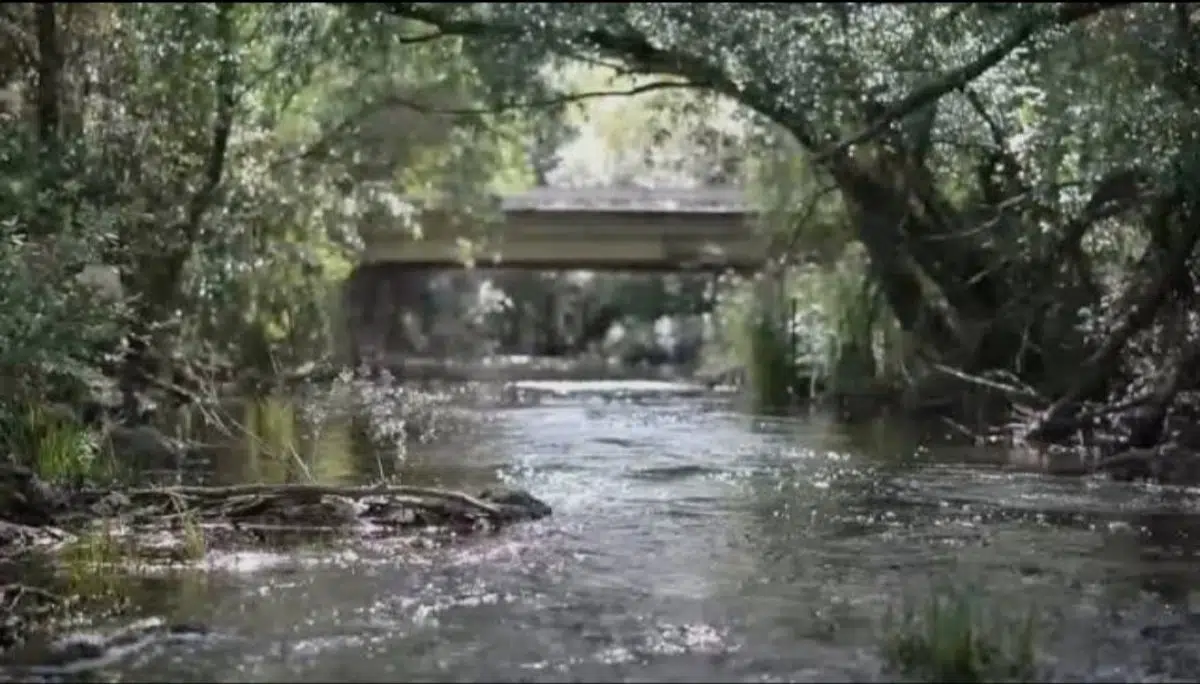
A paradigm shift in water management
The central axis of the debate lies in the environmental safety of the neighborhoods of Saavedra and Núñez. The plan’s proponents argue that, following the tragic floods of 2013, it is imperative to adopt nature-based solutions.
The design of the park would allow the water to regain part of its original course at the mouth, reducing the pressure on the current piping system and minimizing the risk of flooding in the adjacent residential areas.
From a geographical point of view, the intervention area is located near Avenida Cantilo and the mouth of the Medrano, integrating with the Costanera Norte corridor. The initiative seeks to halt the advance of private constructions in the sector to prioritize soil absorption and the preservation of the local ecosystem.
The future of the Medrano Basin
While the City Government advances with its coastal regeneration plan, this neighborhood project positions itself as an alternative that prioritizes the hydric function over urban aesthetics.
The consolidation of the Arroyo Medrano Park in Núñez would represent a milestone in Buenos Aires’ planning, transitioning from a city that turns its back on its watercourses to one that integrates them safely and sustainably into its everyday landscape.



