



In San Miguel de Tucumán, the final details are being worked out for the opening of the province’s first Environmental Educational Campus. The space, named in honor of Dr. Yolanda Ortiz, aims to instill ecological awareness from an early age. Its design combines technology, practical activities, and didactic workshops.
The institution will have three thematic classrooms — water, air, and soil —, an environmental micro-cinema, interactive games, and an educational garden. More than 14,000 students are already registered to participate in guided tours. The proposal includes both school visits and open days for the community on weekends.
The focus of the Environmental School is comprehensive: it aims to promote ecological values and sustainable practices with activities adapted to each educational level. Additionally, it seeks to generate experiences that students can replicate in their homes and surroundings. It’s about sowing habits through education and play.
Each classroom offers interactive content and innovative tools such as virtual reality. From gardens to cooking workshops with recycled products, everything is geared towards shaping a generation more committed to the environment.
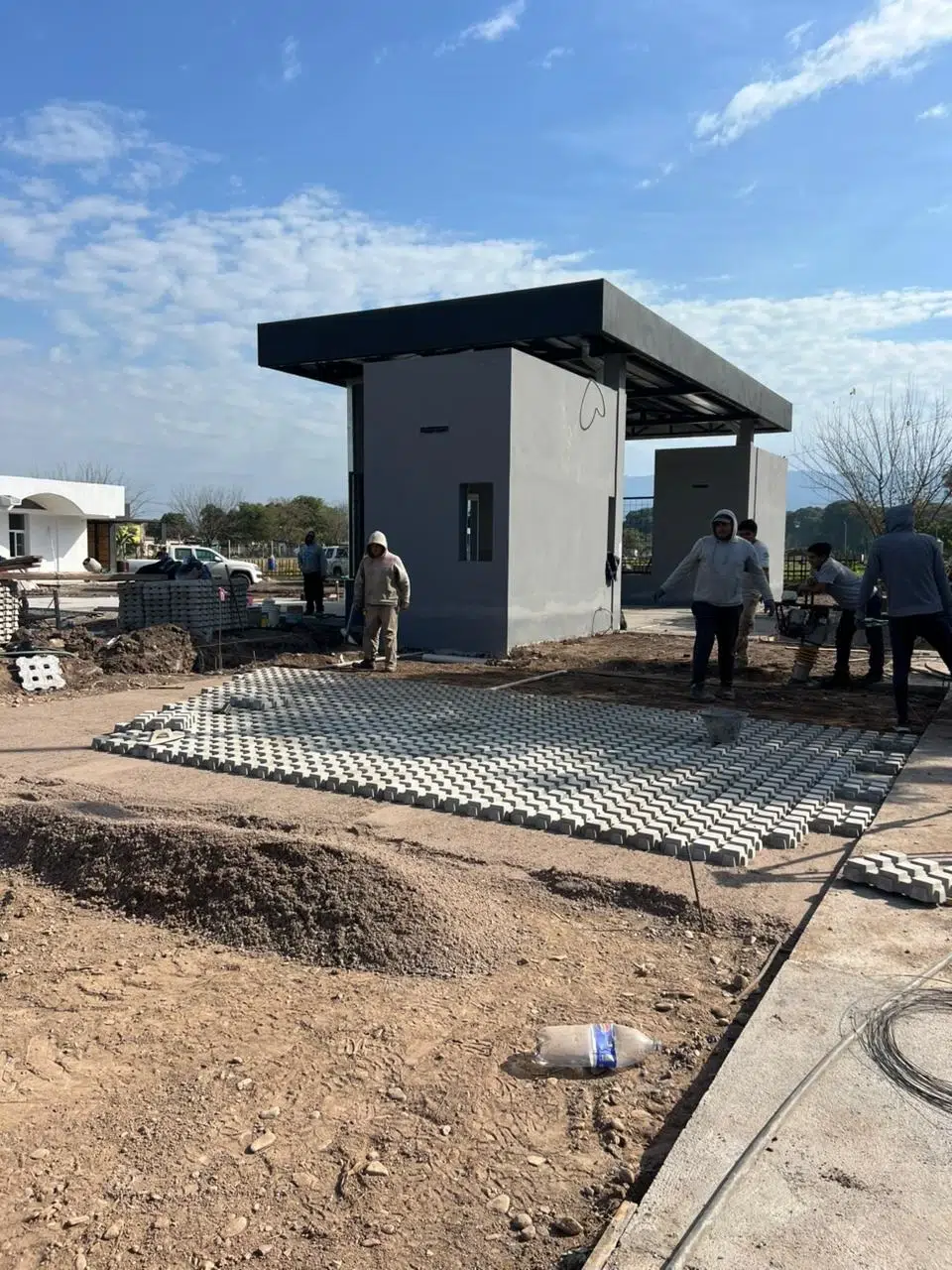
Learning by Doing: An Integral Environmental School Experience
The campus shares space with the Municipal Garden, an ideal environment for practical learning. Sunny days will allow students to explore this area, collect fresh products, and learn about the composting area. They will also have access to a health track with outdoor games.
Activities are organized by shifts according to the educational level. Kindergartens will have two-hour tours, while primary and secondary students will have three and four-hour sessions, respectively. The goal is to achieve an educational immersion adapted to each stage of growth.
During weekends, open days will be held for families, civil associations, and sports organizations. The proposal extends beyond the school environment, aiming to also impact homes and spread the environmental message throughout the community.
In addition to the activities on the campus, other actions continue such as the tours of the “Waste Route”, which allows visualizing the process of collection, separation, and treatment of municipal solid waste in the city. These interconnected experiences are part of a comprehensive plan for ecological education.
Benefits and Global Expansion of Environmental Schools
Environmental schools are educational centers designed to integrate sustainability into the learning process. They teach responsible habits, promote respect for biodiversity, and strengthen critical thinking about environmental issues. Through direct contact with the environment, students learn about recycling, agroecology, climate change, and responsible consumption.
In countries like Germany, Sweden, and Finland, these types of educational centers are common, even as part of the official school system. In Costa Rica and Colombia, they have also been successfully implemented, with a focus adapted to local biodiversity and regional issues. These schools promote the active involvement of students, teachers, and families.
In addition to educational benefits, these spaces help build more aware and resilient communities. They promote teamwork, creativity, and respect for natural resources. Their expansion is crucial in the current context, where environmental education is essential to address the challenges of climate change.
 The importance of the Environmental School.</caption]
A Bet on the Future
The Environmental School of San Miguel de Tucumán marks a milestone in the ecological education of northern Argentina. Its interactive, free, and accessible approach aims for children and teenagers to develop real connections with the environment. Furthermore, it reinforces the idea of an active citizenship, committed to caring for the planet.
From this model, a cultural transformation is proposed: that environmental issues cease to be secondary and become part of daily life. Education, in this sense, is the most powerful tool to sow a greener and more sustainable future.



