



In a context marked by the global climate crisis, an increasing number of Argentine agricultural producers are driving a profound change in production models, promoting sustainable practices that seek to minimize environmental impact and reduce the carbon footprint of the sector.
Argentina is the third largest food exporter in the world, and its agricultural sector represents 15.7% of GDP and 10.6% of tax revenues, according to the World Bank Group.
However, it is also responsible for 37% of greenhouse gas emissions (GHG), according to the third biennial report of the Ministry of Environment.
- Livestock: 21.6% of emissions
- Agriculture: 6.2%
- Land use (deforestation): 9.4%
Buenos Aires: productive epicenter and focus of environmental impacts
More than 33 million hectares dedicated to agriculture face challenges of erosion, loss of biodiversity, and deforestation.
The province of Buenos Aires concentrates a large part of the national agricultural activity, but also shows the consequences of intensive practices: monocultures, excessive use of agrochemicals, soil depletion, and ecosystem fragmentation.
In response to this, regenerative practices are promoted to restore soil fertility and capture atmospheric carbon.
Sustainable practices: from biogas to efficient pasture management
Agriculture explores multiple strategies to reduce its environmental footprint
Among the most outstanding practices are:
- Regenerative agriculture: crop rotation, vegetal cover, biofertilizers
- Carbon-neutral livestock: methane reduction and pasture management
- Renewable energies: biogas, solar panels, biodiesel
- Environmental certifications: Cool Control, Soil Capital, IPUMA, CACTA
- Carbon footprint measurement: use of certified calculators to identify emission sources
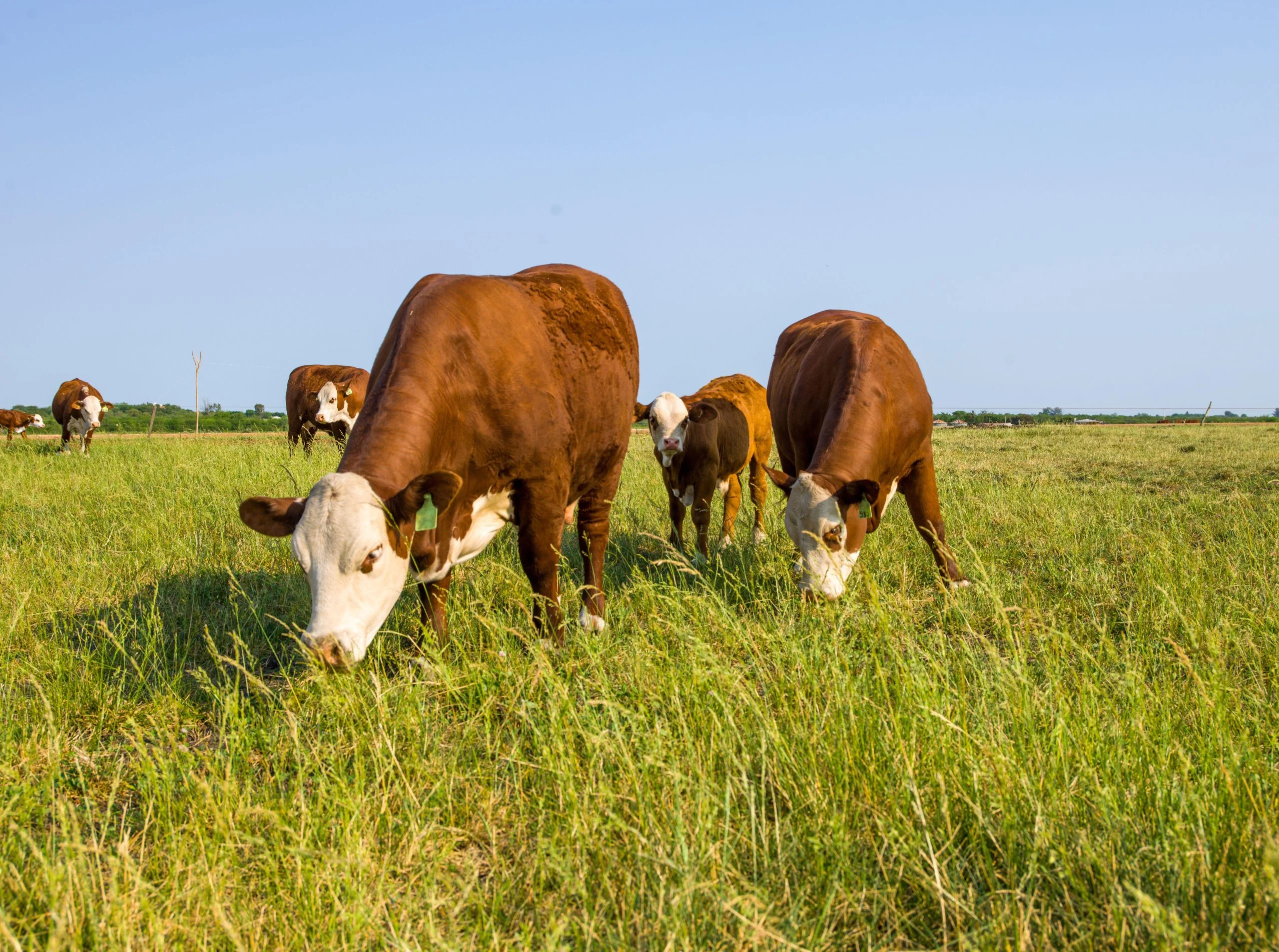 The field and the importance of sustainable practices
Family agriculture: vulnerability and potential
Three out of four producers are family-owned, but many do not have sufficient resources to sustain their activity.
According to the World Bank, 172,000 of the 251,000 family producers in Argentina do not have full access to land or capital, making them less resilient to climate change and limiting their access to environmental management technologies.
The Argentine Association of No-Till Producers (Aapresid) promotes always green agriculture, a strategy that seeks to maintain permanent vegetal cover, improve soil health, and increase carbon capture, integrating scientific knowledge and collaborative management.
The role of the State: regulations, environmental assessment, and education
The General Environmental Law establishes clear rules to prevent negative impacts of agriculture.
Law No. 25,675 requires that any work or activity that could degrade the environment undergo an Environmental Impact Assessment, with sworn statements and detailed project descriptions.
Furthermore, it promotes Environmental Education as a key tool to transform values and attitudes towards the responsible use of natural resources.



