



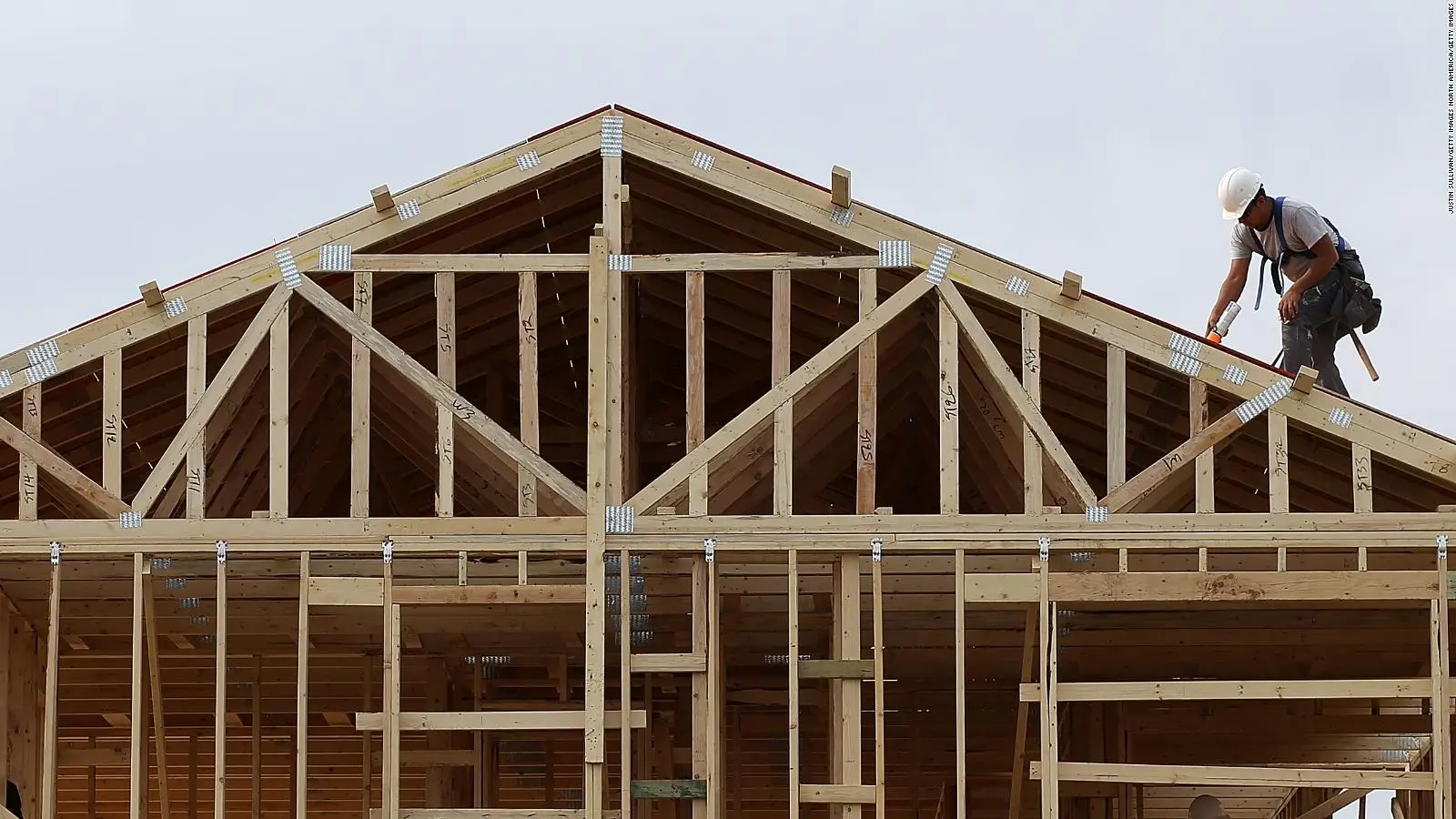
In the United States, wood is the predominant material in house construction, a decision that generates debate due to its vulnerability to natural disasters such as forest fires, hurricanes, tornadoes, floods, and heavy snowfalls.
However, there are multiple historical, economic, and cultural reasons that explain why this model remains in place.
Historical Factors
Since the arrival of Europeans, the need to build a large number of homes in a short time promoted the use of wood. Its speed of construction compared to cement and brick became a key advantage.
Moreover, wood allowed for the development of houses that are easier to build, even through kits or prefabricated plans that could be erected by small groups of people, democratizing access to housing.
Economic and Practical Factors
The United States has abundant forests and mountains, ensuring a constant supply of wood at reduced prices. Added to this is its ease of transport, making it an accessible and economical material.
Another relevant aspect is residential mobility: studies indicate that Americans may change homes up to five times throughout their lives. Quick and affordable construction facilitates these moves without representing an excessive expense.
Even taxes play an important role: wooden houses usually have a lower tax valuation than brick or concrete ones, reducing the tax burden for owners.
Resistance and Flexibility
Although wood is vulnerable in certain scenarios, it also offers advantages:
- It is a flexible material, capable of withstanding low-intensity earthquakes or light tornadoes.
- In areas exposed to strong hurricanes or tornadoes, wooden houses often incorporate brick or concrete basements as a safe refuge.
- Repairs in wooden homes are more quick and economical in case of minor damage.
Durability and Maintenance
A wooden house can last more than 100 years if well built and regularly maintained. Modern high-quality prefabricated houses are usually estimated between 50 and 70 years, although there are historical examples that exceed a century.
Key Factors for Longevity:
- Wood treatment: use of impregnated wood against pests and techniques that prevent direct contact with the ground.
- Periodic maintenance: application of sealants, paints, and repairs to protect it from moisture and sun.
- Design and construction: systems like wood framing provide flexibility and good insulation.
- Quality of materials: selection of resistant woods and modern insulating systems.
The preference for wood in American construction responds to a combination of history, economy, practicality, and culture.
Although it is a material vulnerable to certain natural disasters, its speed of construction, low cost, flexibility, and durability with good maintenance make it an option that continues to shape the urban and suburban landscape of the country.



