



The high mountain is often perceived as a pure, remote, and resilient space. However, its ecosystems are extremely fragile, and any waste left behind can remain for decades.
Unlike other environments, the cold and low biological activity slow down decomposition, meaning that a bottle, a wrapper, or even organic waste disrupts the natural balance for a long time.
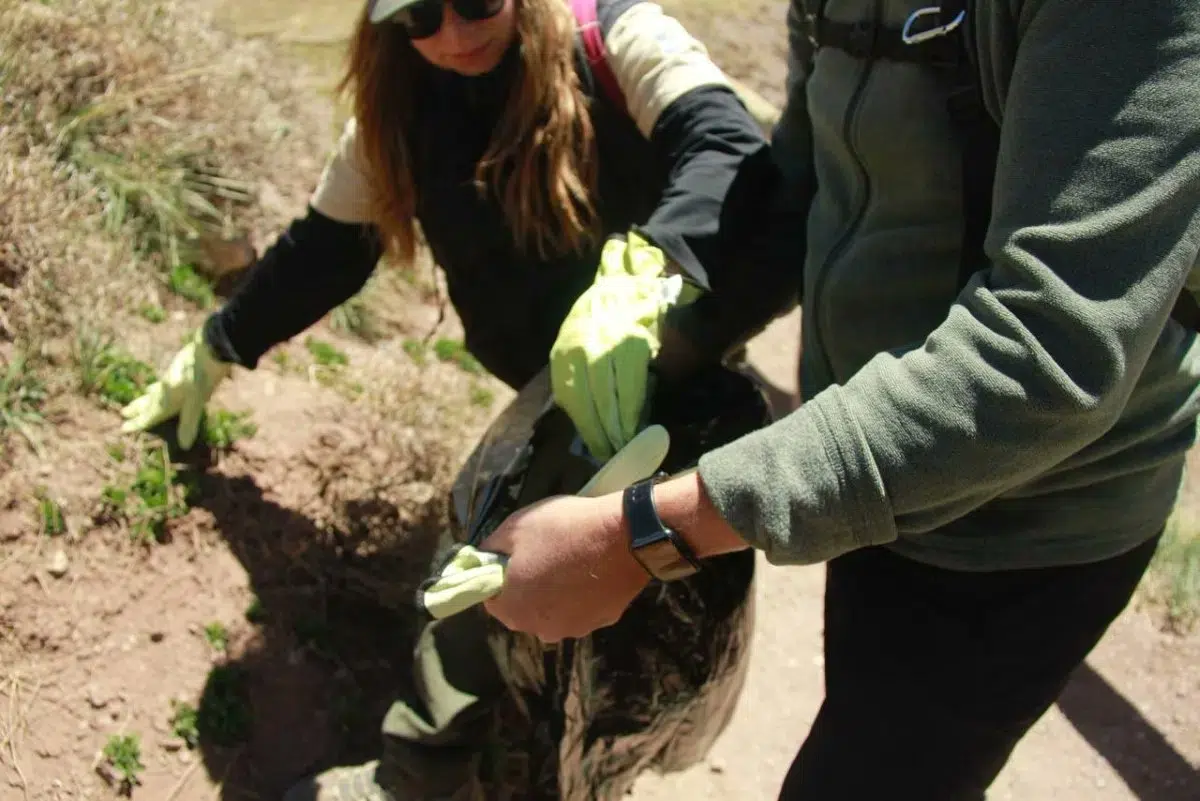
Moreover, the winds and thaws carry these wastes to rivers and glaciers, amplifying environmental damage beyond where they were left. In these environments, there are no formal collection systems, so each visitor is responsible for their impact and for not turning the landscape into a silent dump.
Organic waste and its impact
Even organic waste generates problems:
- Attracts wildlife, altering natural habits.
- Contaminates water sources.
- Disrupts the dynamics of ecosystems.
Therefore, the rule is clear: leave no trace. Taking waste with you is not just a matter of cleanliness but a basic practice of conservation and respect for those who will come after.
Mountain ecotourism: a conscious relationship
Mountain ecotourism promotes a conscious relationship with the environment. Walking, climbing, or camping involves learning to live with natural limits. When people understand the value of the place they visit, they tend to take better care of it, turning responsible tourism into an ally of environmental protection.
Additionally, local communities benefit from sustainable activities that prioritize the landscape rather than its intensive exploitation.
Examples in Argentina
- Aconcagua Provincial Park (Mendoza): strict waste controls, each expedition must remove what it generates.
- Nahuel Huapi National Park (Río Negro and Neuquén): combines mountain trails, lakes, and Andean forests with a strong emphasis on environmental education.
- Quebrada del Condorito (Córdoba) and Calchaquí Valleys (Salta and Tucumán): unique landscapes where ecotourism helps preserve wildlife and geography.
Ethics of care and conservation
Practicing high-altitude ecotourism means assuming that every action counts. Abandoned waste contradicts the very idea of enjoying nature. On the contrary, taking the trash reinforces an ethic of care and allows the mountain to maintain its ecological and cultural value.
In this way, the experience becomes deeper: not only is a summit conquered, but an ecosystem that needs respect to continue existing is also protected.
Importance and key benefits of mountain ecotourism
- Environmental conservation: protects natural areas, fauna, and flora, combating climate change by minimizing the carbon footprint.
- Local sustainability: generates jobs and additional income sources for mountain inhabitants, combating poverty and reducing rural exodus.
- Education and awareness: fosters respect for the environment and environmental education among visitors.
- Cultural appreciation: promotes the preservation of traditions, crafts, and local gastronomy, revaluing cultural heritage and indigenous worldview.
- Conscious experience: offers alternatives for active and healthy leisure such as hiking and mountain biking.
Mountain ecotourism is vital for conserving fragile ecosystems, protecting biodiversity, and promoting the sustainable development of local communities.
This tourism model seeks a balance between enjoying nature and the responsibility for its care, preventing destinations from suffering the negative consequences of mass tourism.

