



A study conducted by the UNLP, in collaboration with Conicet and CICPBA, revealed that the city of La Plata recovers only 4% of the waste it generates, a figure well below international standards, which consider an acceptable rate to be between 30% and 35%.
The report was presented to the Municipality of La Plata along with proposals to improve comprehensive waste management and move towards a model of circular economy.
Scientific proposals to improve recycling
The document proposes:
- Design of environmental, social, and economic indicators to evaluate the management system.
- Monitoring methodologies on waste generation, recovery, and valorization.
- Control panels to facilitate decision-making.
- Evaluation of source separation campaigns to measure their real impact.
These initiatives are developed at the Interinstitutional Center for the Regional Development of the Popular, Social, and Solidarity Economy (CIDEPS), inaugurated in Berisso in 2025, which coordinates scientific work with municipalities, cooperatives, and social organizations.
Innovations and ongoing projects
Among the promoted projects are:
- Production of plastic wood from recycled materials without commercial value, to manufacture urban furniture, children’s games, and construction materials.
- Improvements in popular habitat through alternative technologies.
- Production of value-added food linked to the social economy.
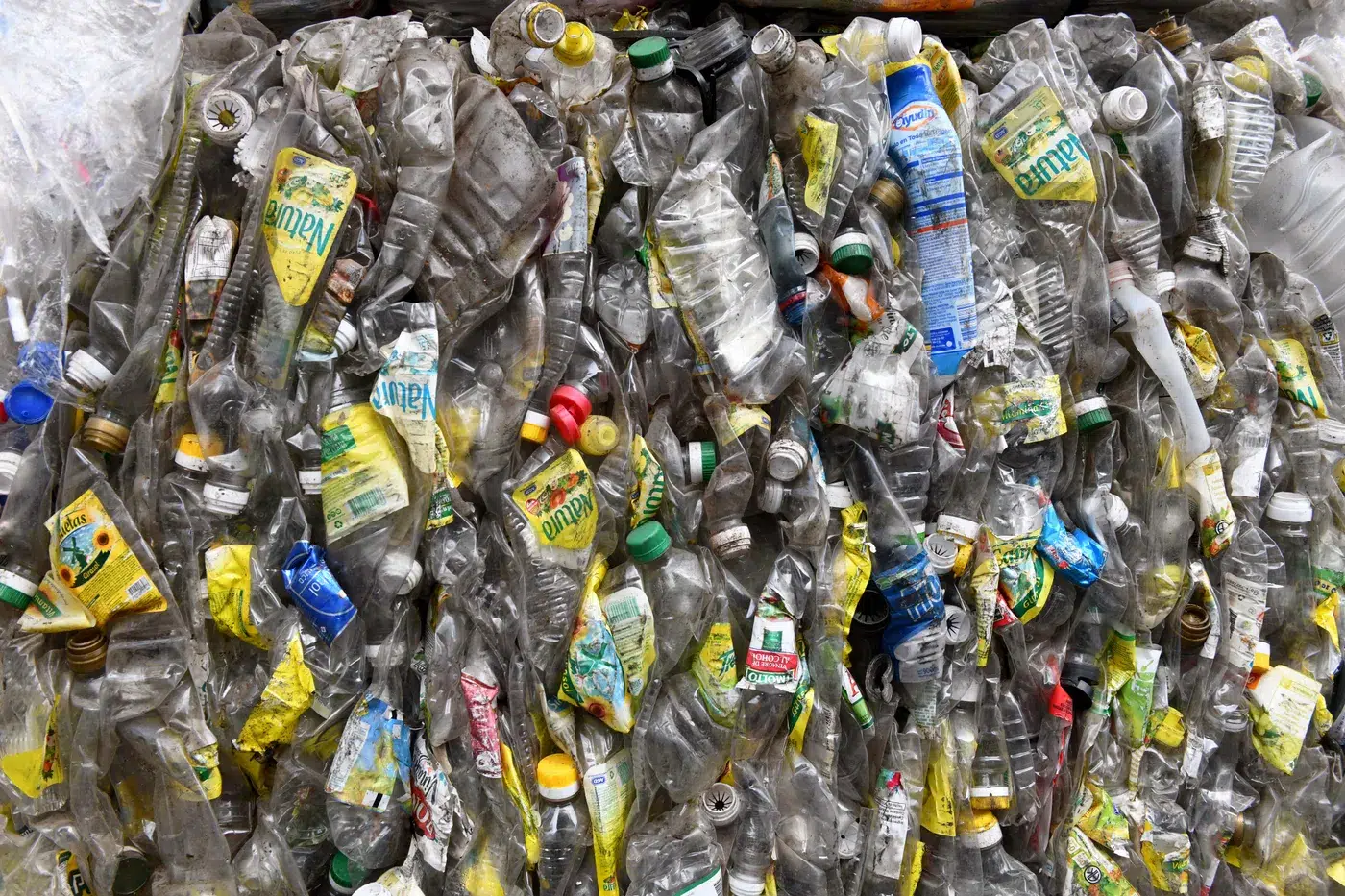
- Incorporation of discarded plastics such as bags, films, and labels into the production circuit, materials that currently have no commercial destination.
The role of public institutions
Researcher Andrés Porta, director of the Center for Environmental Research (CIM), highlighted that both Conicet and UNLP play a strategic role as public institutions generating knowledge.
“Everything that is not recovered is buried. The less waste you bury, the more you save. It’s a very simple equation,” explained Porta.
The experience accumulated by research teams can contribute to comprehensive, sustained, and scientifically-based waste management.
Cooperatives and social articulation
The report also proposes a survey of recycling cooperatives to understand their capacities and needs. It suggests creating an internship system with advanced students from UNLP, which would strengthen the link between the academic field and social organizations.
The university’s Social Council emphasized that greater articulation between the academic sector and the responsible management bodies would improve the quality of available information and design more efficient public policies.
La Plata faces an urgent challenge: to increase waste recovery to meet international standards and reduce environmental impact. The scientific and social proposals promoted by the UNLP, Conicet, and CICPBA aim to transform waste management into a circular economy model that combines innovation, inclusion, and sustainability.



