



The microplastics derived from bottles represent an invisible risk to human health, according to a recent study.
The most alarming data from the analysis reveals that those who consume bottled water daily can incorporate up to 90,000 plastic particles more per year than those who drink from the tap.
The research, led by Sarah Sajedi from the Concordia University in Canada, reviewed more than 140 international studies to reach this conclusion.
The data measured the global scope of a phenomenon that transforms the daily consumption of water into a silent threat.
Furthermore, the analysis indicates that an average person ingests between 39,000 and 52,000 microplastic particles each year just through food and water.
Therefore, the habit of drinking bottled water significantly raises that figure, according to the data collected by the research team.

Where microplastics in bottles come from
Plastic bottles constitute a direct source of microscopic particles within the body.
During manufacturing, transportation, and storage, plastic fragments are released that end up in the water.
Low-quality packaging increases this phenomenon. Exposure to sunlight, temperature changes, or frequent handling releases more particles into the liquid we consume.
Unlike microplastics that enter through the food chain, those from plastic bottles arrive directly with each sip.
This repeated exposure increases the amount of ingested particles and raises questions about cumulative effects.
The health effects of microplastics and scientific challenges
Today, microplastic particles are an unavoidable risk for society as a whole and are a major concern for science and health.
These have the ability to pass through the digestive system, reach the bloodstream, and deposit in vital organs.
In recent studies, these particles have been linked to chronic inflammatory reactions, cellular stress, and hormonal alterations.
The research also identified possible neurological damage, although the long-term effects are not yet fully understood.
The lack of extensive studies and standardized methods makes definitive conclusions difficult.
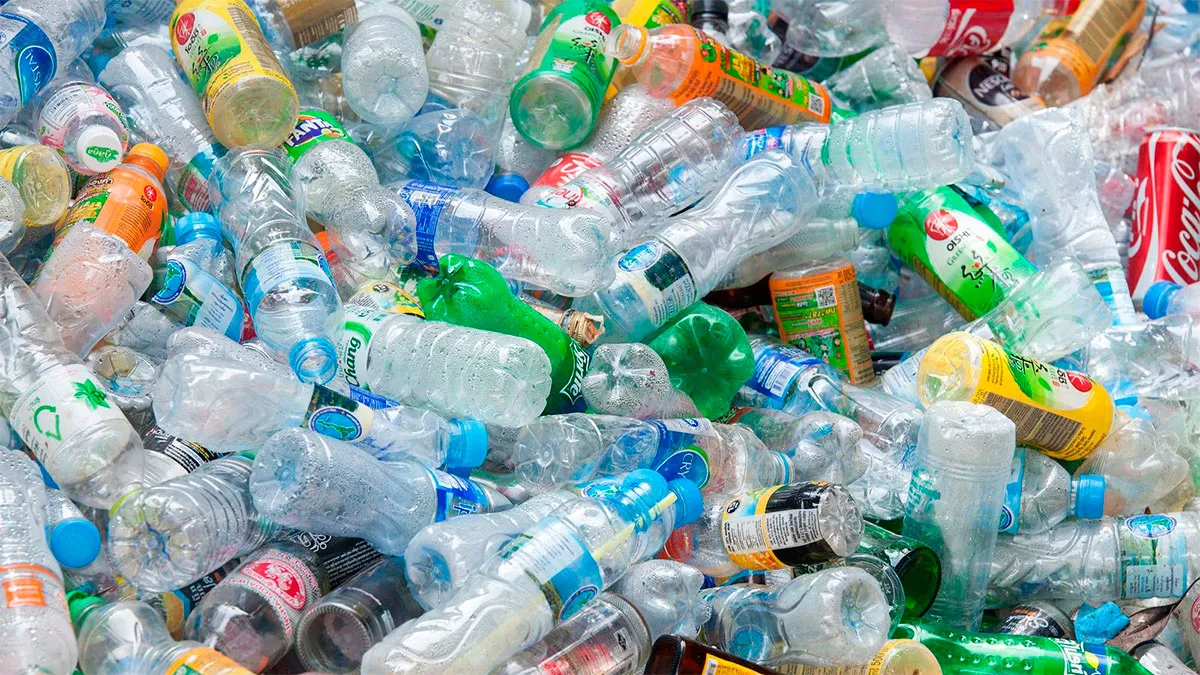
For this reason, Sajedi, motivated by plastic pollution on Thailand’s beaches, decided to focus on understanding the effects of bottles and their microplastics on health.
Her research quantified the additional exposure to microplastics in bottles.
Challenges for the future
Universal access to safe drinking water is a fundamental right. However, reliance on single-use plastic packaging solutions jeopardizes the sustainability of the system.
The difficulty in detecting and quantifying microplastics lies in the variety of available techniques.
The high cost of more precise equipment prevents comparison of results between international studies.
This technical limitation delays the creation of specific regulatory policies for plastic bottles. Today, they remain mostly outside legal frameworks worldwide.
The challenge not only involves reducing plastic consumption. It also requires promoting research and development of viable alternatives that limit the generation of microplastics in bottles within the supply chain.


