Ocean pollution by underwater waste is a global issue. In an innovative response, a team of German scientists implemented a robotics breakthrough.
This is part of the European project SEACLEAR 2.0, an autonomous system for cleaning up this waste.
This system, which combines drones, a service boat, and underwater robots, demonstrated its effectiveness in the port of Marseille, France.
An integrated approach to cleaning
The system designed by a team from the Technical University of Munich (TUM), is designed to operate autonomously in port areas, which usually have a high concentration of waste. Among them, fishing nets, bicycles, and tires.
 Autonomous robot designed to remove underwater waste. (Photo: TUM).[/caption>
A drone is responsible for detecting the garbage on the water surface, while an unmanned boat serves as a control center, providing power and connectivity to the other robots.
For submerged waste, a small underwater robot scans the seabed using cameras and sonar. Once the garbage is identified, artificial intelligence (AI) analyzes the data and processes a 3D image of the object to determine the best way to grab it.
Next, a diving robot equipped with a four-finger gripper dives to collect the object, with the ability to lift up to 250 kg.
Sensors on the gripper ensure a precise grip to avoid damaging the objects. Finally, a winch raises the robot and the waste to the surface.
The service vessel acts as a control center from which the robots operate. It supplies power to both robots through a cable and establishes a data connection with them. So far, the tests in the port of Marseille, in southern France, have been successful.
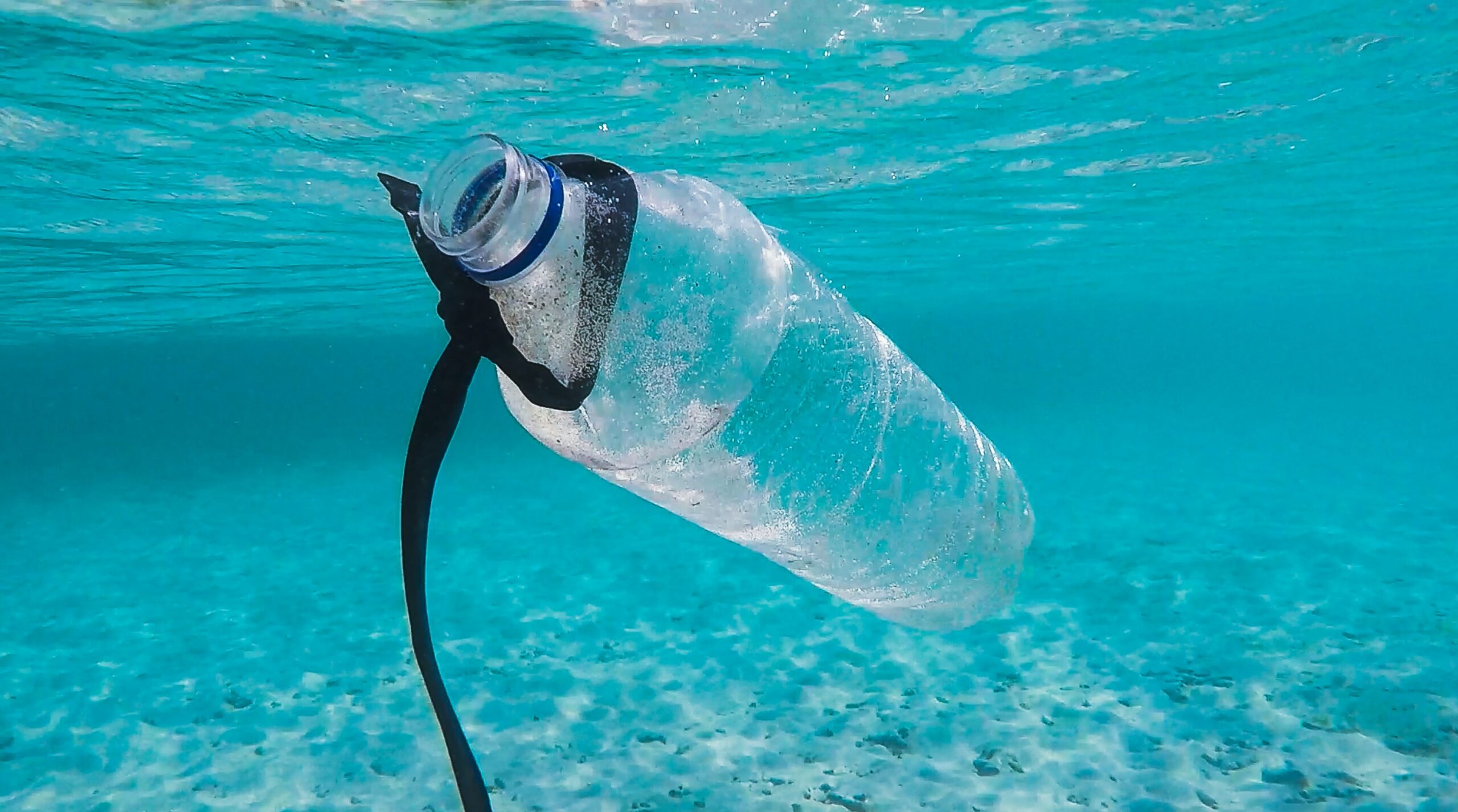 Robotics for cleaning the ocean.
According to the researchers, the system is cost-effective for operations at depths greater than 16 meters, making it a viable solution to address the challenge of marine litter.



 Countries that pollute the most with plastic. (Chart: Statista).


