



The mayor Leonardo Boto confirmed the definitive closure of “La Quema”, the largest open-air landfill in the country and one of the main sources of pollution in Luján for over five decades. The decision marks a change in strategy regarding the original Environmental Center project, which was left unfinished after the suspension of IDB funding.
To fulfill the promise of closing the landfill, the municipality decided to send more than 100 tons of waste daily to the CEAMSE, building a transfer plant in a quarry near highway 5.
Mixed Reactions
The closure was celebrated by residents who historically suffered from the pollution, but it also generated doubts and resistance:
- Informal recyclers: fear losing their source of livelihood and are considering protest measures. The local management promises to include them in recycling and environmental promotion programs.
- Residents near the transfer plant: have started assemblies to prevent waste from being deposited near their homes, although the municipality clarified that the operation is exclusively logistical and does not imply waste accumulation in Luján.
Judicial and Political Context
The Environmental Center project had garnered broad social and institutional support, including from the Church and local organizations. However, judicial opposition from business owners and the change in national government halted the work, forcing the municipality to seek alternatives.
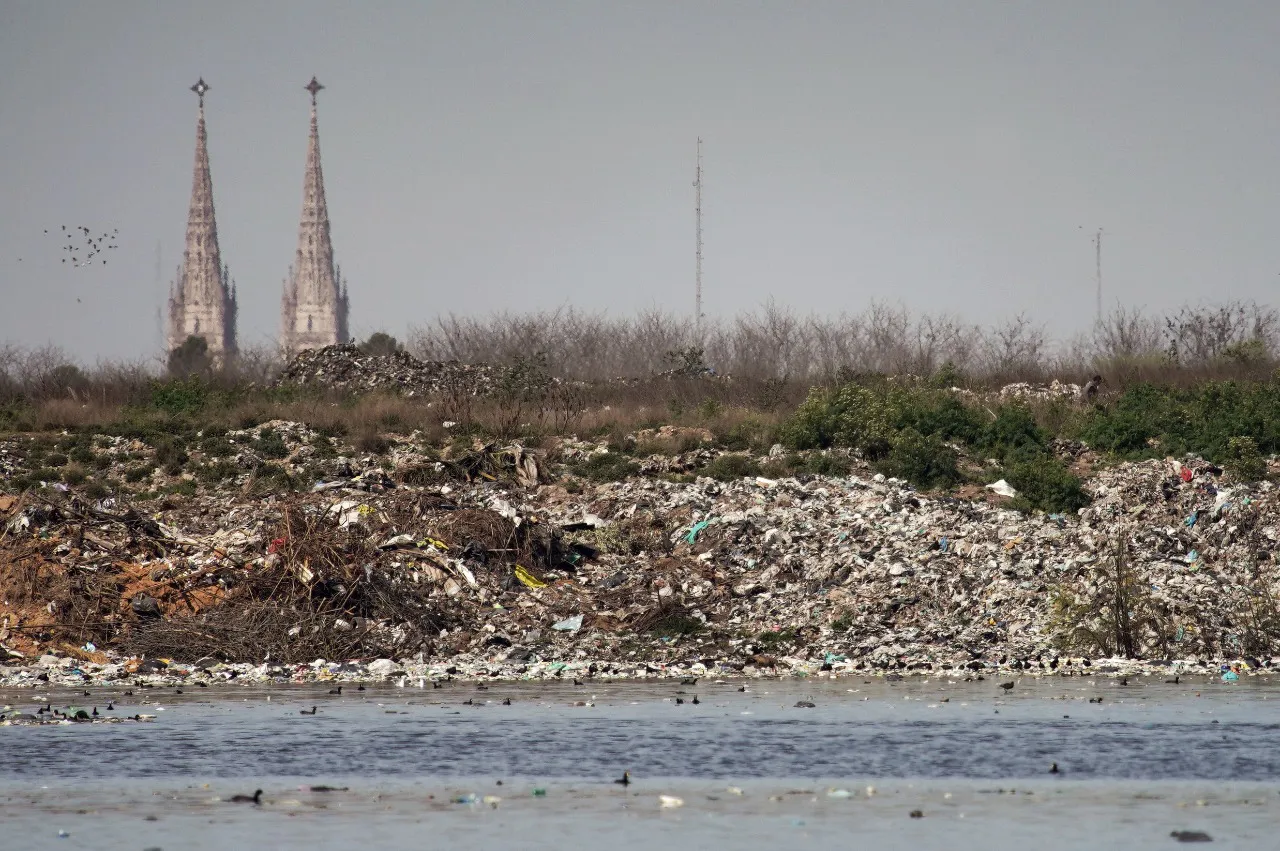
The Problem of Landfills in Argentina
The case of Luján reflects a national issue: there are more than 5,000 open-air landfills in the country.
- Environmental impact: they generate leachates that contaminate aquifers and emit methane, responsible for 4-5% of national greenhouse gases.
- Public health: cause respiratory and skin diseases in nearby populations due to constant burning and pest proliferation.
- Social context: thousands of people work in unhealthy conditions as informal recyclers.
- Poor management: the low level of waste treatment perpetuates the expansion of these pollution sources.
A New Chapter for Luján
The closure of “La Quema” represents a historic advance in the fight against pollution, but it raises questions about the social inclusion of recyclers and the community acceptance of the transfer plant. The community finds itself between the celebration of the end of an environmental scourge and the resistance to new uncertainties.
The closure of the Luján landfill is a decisive step towards more responsible waste management, although the initial consensus seems to have fractured. The challenge will be to combine efficient logistics, social justice, and environmental transparency so that this closure is not just symbolic, but the beginning of a true transformation in waste management in Argentina.



