



The new bottle recycling campaign that combines recycling, citizen solidarity, and sustainable construction has begun in the province of Entre Ríos.
It’s called “Bottles that build the future,” an environmental initiative aimed at collecting a million PET bottles to manufacture eco-friendly bricks. These bricks will be used to expand School No. 105 in Crespo.
Bottle recycling in Entre Ríos: collection points
Collection points have been set up in:
-
Paraná (Government House esplanade)
-
Crespo (Environmental Park)
-
General Ramírez (Evita Park)
-
Villa General San Martín (Municipal Workshop)
Campaign details
The campaign is part of the Viví Verde program, which includes activities from June 5th to July 5th, such as stream cleanups, forums on climate change, and certified training for teachers.
A proposal promoted by the General Secretariat of the Government that links environmental care, public works, education, and citizen participation.
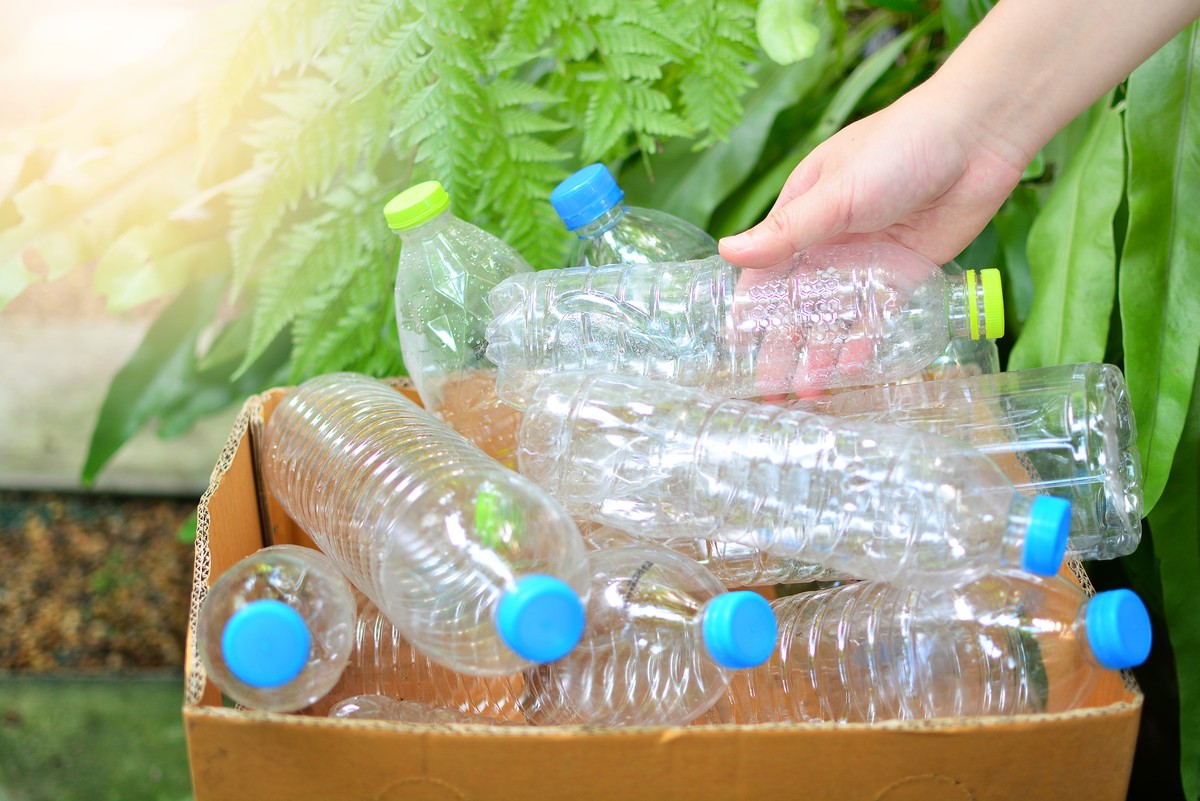 PET bottles are collected.
The pilot project will take place at Educational Unit No. 105 in Crespo, where three classrooms, a teachers’ room, and a sanitary module will be built. The PET blocks – bricks made from recycled bottles – will be produced at the municipal environmental park, thanks to an agreement with the provincial government.
The Secretary of Participation and Citizen Care, Valentina Gotte, emphasized that the campaign has a strong community origin: “Many people offered to collaborate when the project was announced. This campaign responds to that collective enthusiasm.”
The Director of Citizen Engagement, Agustín Curuchet, confirmed the installation of collection points in different locations, including Paraná (including the Government House), Crespo, Villa Libertador San Martín, and General Ramírez. The goal is to expand the network throughout the province.
The campaign also involves:
-
Teacher training with the support of the General Board of Education
-
School contests like “Recyclathon”
-
Active participation of local institutions and residents
Regarding future steps, they consider evaluating the expansion of the program to other locations in the province; keeping the collection points active until reaching a million bottles; and strengthening partnerships with municipalities, scientific entities, and environmental organizations.



