



The communal chief of San Javier (Río Negro), Gladys Almuna, reported the appearance of electronic waste in the wetlands of the locality, an area that had been recovered after the closure of an old landfill in 2019. Almuna described the situation as “a disgrace” and warned that those who dump trash or pollute will be fined.
The incident caused outrage because electronic waste contains highly toxic substances such as lead, mercury, cadmium, and arsenic, which can seep into the groundwater and contaminate the water, affecting both the ecosystem and the health of nearby communities.
Wetlands: vital ecosystems
Wetlands are areas where water is the main feature: lagoons, marshes, swamps, peatlands, mangroves, and river deltas. In Argentina, they cover about 21% of the national territory and fulfill essential functions:
- Climate regulation.
- Biodiversity conservation.
- Protection against floods and erosion.
- Large-scale carbon capture: peatlands store more carbon than all the world’s forests combined.
In the Lower Valley of the Negro River, there are more than 100 wetlands without formal protection. The one in San Javier, in particular, was converted into an educational and tourist space in 2019, with trails and conservation activities. Today it is an area of high ecological value that hosts native birds and flora.
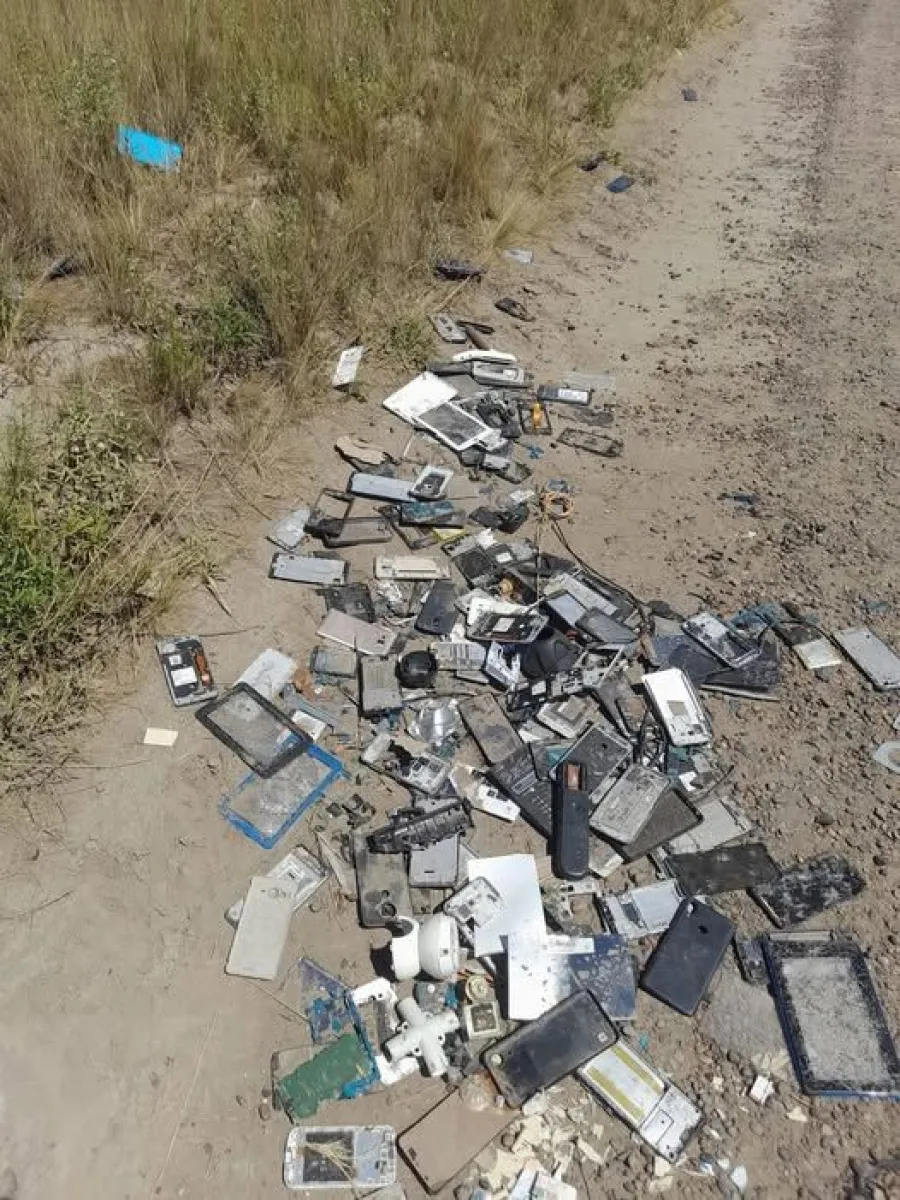
The impact of electronic waste
Electronic waste (e-waste) is one of the most dangerous types of waste:
- Environmental pollution: releases heavy metals and toxic substances that affect soil, water, and air.
- Health risk: exposure to lead and mercury can cause neurological, respiratory diseases, and cancer.
- Loss of resources: devices contain valuable materials such as gold, copper, and aluminum, which could be recovered through recycling.
Key reasons to recycle e-waste
- Environmental protection: prevents hazardous pollutants from reaching the environment.
- Recovery of precious materials: a large part of the components of cell phones and computers can be reused.
- Reduction of mining: decreases the need to extract new raw materials, saving energy and reducing impacts.
- Public health: prevents diseases associated with exposure to heavy metals.
- Circular economy and employment: promotes the reuse of components and generates jobs in waste management.
Currently, only between 15.5% and 20% of the world’s electronic waste is properly recycled, highlighting the urgency of improving these processes and implementing stricter public policies in the region.
The case of San Javier highlights the fragility of recovered ecosystems and the need to strengthen citizen awareness and environmental controls. Wetlands are natural heritage and cannot become landfills. Responsible recycling of electronic waste is key to protecting the environment, ensuring public health, and advancing towards a model of sustainable circular economy.



